How to Clean Armrests on a Couch
Armrests endure frequent contact and can show oils, sweat, and dirt quickly. This guide provides practical steps and safe product use to refresh fabric armrests on most couches without damaging the upholstery.
With common household supplies and a targeted cleaning kit, you can restore the fabric’s look and extend the life of the couch. Follow the steps below to achieve consistent results on a daily basis or for periodic deep cleaning.
Quick Answer
Use a two-step approach: pre-treat with a fabric-safe stain remover, then lift dirt with a dedicated armrest brush and microfiber cloth. Finish with a light rinse and air-dry. For stubborn stains, repeat in small sections and avoid saturating the fabric.
What You’ll Need
- Upholstery cleaning kit fabric couch armrest
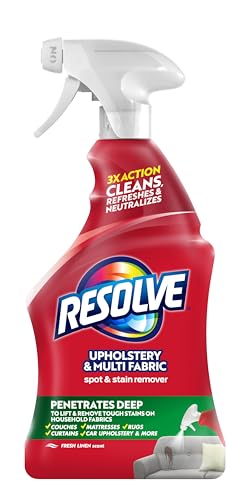
- Sofa fabric stain remover spray 24 oz with brush
- Armrest cleaning brush for sofa upholstery microfiber cloth set

Before You Start
Inspect the fabric care label on the couch to confirm water-based cleaning is safe. Test any cleaner in an inconspicuous area first and wait 24 hours for results. Place a towel or tray under the armrest to catch drips and prevent staining surrounding areas. Allow extra time for drying, ideally 2–6 hours, depending on humidity.
Caution: Do not use bleach or harsh solvents on fabric; avoid saturating the cushion core. If the armrest cover is delicate or suede-like, use a milder cleaner and a softer brush to prevent pilling.
Step-By-Step: How To Clean Armrests On A Couch
- Unset any loose dirt from the armrest with a dry microfiber cloth to remove surface dust.
- Apply a light mist of the sofa fabric stain remover spray 24 oz with brush to the armrest, focusing on stained areas.
- Allow the cleaner to sit for 3–5 minutes to loosen oils and soils without saturating the fabric.
- Using the armrest cleaning brush for sofa upholstery, work in small circular motions across the fabric to lift dirt from the nap.
- Wipe away lifted soil with a clean microfiber cloth. Use a fresh section of cloth as the pad becomes soiled.
- For stubborn spots, reapply a small amount of cleaner and repeat the brushing motion, avoiding excessive moisture.
- Rinse the area by blotting with a damp cloth to remove any cleaner residue, then blot thoroughly with a dry towel.
- Let the armrests air-dry completely in a well-ventilated area. If possible, run a fan or open a window to speed drying.
- Assess the fabric after drying. If faint staining remains, repeat targeted cleaning on the affected spot only.
- Brush the nap lightly once dry to restore texture and prevent stiffness from cleaning residues.
- Return cushions to their normal position and continue normal use after full drying.
Troubleshooting
| Symptom | Likely Cause | Fix | Prevention |
|---|---|---|---|
| Stains reappear after drying | Residual oils or incomplete rinsing | Repeat cleaning with a cautious rinse and thorough blotting | Spot-clean promptly; use a barrier spray if recommended by the manufacturer |
| Fabric feels stiff after cleaning | Over-wetting or soap residue | Blot with a damp cloth and dry thoroughly; brush nap | Use less cleaner next time; test in a hidden area first |
| Color fading or dye transfer | Harsh cleaners or incorrect product use | Cease use of the product and consult care label | Stick to approved formulations for the fabric |
| Moisture lingering for days | Under-drying or poor ventilation | Increase airflow and use a fan or dehumidifier | Dry in a warmer, ventilated space |
Common Mistakes
- Using overly strong cleaners on delicate fabrics
- Soaking the armrest with liquid cleaners
- Skipping a test patch on the fabric care label
- Rubbing too aggressively, causing nap damage
By avoiding these missteps, armrests dry evenly and preserve fabric color.
Tips For Best Results
- Clean armrests during routine upholstery care to prevent heavy staining.
- Work from the outer edge of the stain toward the center to avoid spreading.
- Use minimal moisture; dampness alone can loosen fibers over time.
- Store cleaning tools in a ready-to-use kit to simplify future touch-ups.
Call A Professional
Seek professional help if armrests show significant staining that persists after multiple cleanings, if fabric colors run, or if there is a risk of dye transfer from other parts of the couch. Signs to pause at-home cleaning include bubbling, stiffening, or an unusual odor that suggests deeper upholstery damage.
FAQ
Can I use any fabric cleaner on couch armrests?
Always follow the couch’s fabric care label and use cleaners designed for upholstery. Test in a hidden spot first to avoid discoloration.
Is it safe to use water on microfiber armrests?
Yes, but use minimal moisture and a microfiber cloth to prevent water spots and fiber dulling.
How long does it take for armrests to dry?
Typically 2–6 hours, depending on fabric type and room humidity. Faster drying can be achieved with good airflow.
Should I vacuum before cleaning?
Yes. Lightly vacuum to remove loose dust, crumbs, and hair before applying cleaners.
Can I use a steam cleaner on armrests?
Only if the fabric care label permits steam cleaning. Use the lowest setting and keep the nozzle at a safe distance.
What if stain removal fails?
Consider repeating the process in small sections or consult a professional for stubborn or set-in stains.
Buying Guide
When choosing products for armrest cleaning, consider size, noise level, energy efficiency, controls, and placement in your cleaning routine. For small-to-medium couches, a compact upholstery cleaning kit with a dedicated brush and microfiber cloth set provides targeted action without over-wetting. If you frequently deal with spills, a larger spray bottle with a brush attachment can speed up stain treatment. For households with multiple fabrics, look for a stain remover spray labeled safe for the most common couch fabrics, including polyester and synthetic blends. Choose a kit whose components are easy to replace and store in a cleaning caddy for quick access. Finally, ensure the kit includes clear usage instructions and fabric-safe guidelines to minimize risk of color fading or fabric damage.
Leave a Reply