How to Clean Aquarium Sand
Cleaning aquarium sand helps maintain clear water, healthy fish, and a balanced substate environment. While sand requires a gentler approach than gravel, the right tools and technique make the task efficient and safe for delicate inhabitants. This guide outlines a practical method to clean sand substrates in home aquariums, with quick answers, required tools, safety notes, step-by-step instructions, and troubleshooting tips.
Quick Answer
Best approach: Use a siphon or vacuum designed for sand, work slowly to prevent clouding, and repeat small cleanings weekly to keep waste under control without disturbing beneficial bacteria.
What You’ll Need
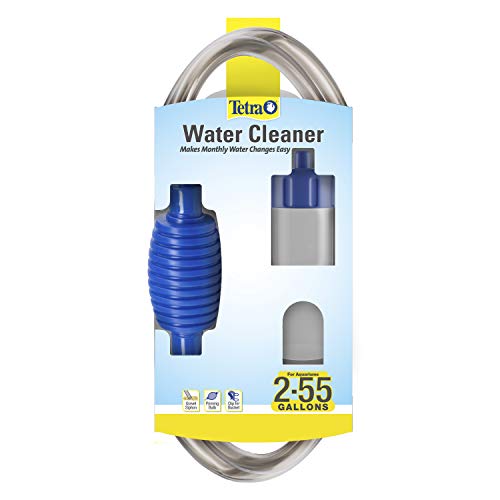
- Aquarium gravel vacuum siphon for sand substrate
- Aquarium sand substrate siphon gravel cleaner with adjustable flow
- Aquarium tank gravel cleaner vacuum for fine sand
- Additional items: buckets, towels, a water conditioner, and a siphon reservoir or bucket for dirty water


Before You Start
Prepare the tank area and equipment before beginning. Turn off any external filtration or pumps if recommended by your device’s instructions to prevent backflow or drift. Gently cover fish or move them to a temporary holding container if necessary to minimize stress. Estimate cleaning time: a partial 10–20 minute session is typical for small to medium tanks, with larger tanks requiring more time.
Cautions: Do not stir the sand vigorously; you may release trapped detritus and disturb beneficial bacteria. Maintain stable water temperature and avoid sudden changes. If you have a sensitive species or a delicate substrate, proceed with extra care.
Step-By-Step: How To Clean Aquarium Sand
- Turn off filters and lights if needed, and prepare your siphon and bucket.
- Insert the siphon tube into the sand slowly, keeping the intake within the top layer to avoid pulling heavy debris from deep in the bed.
- Begin a gentle siphon by creating a suction with the other end into the bucket. Monitor flow and adjust with the adjustable-flow control if your device has one.
- Pulse the siphon to lift fine sediment; avoid blasting the sand to prevent clouding and resettling.
- Move the siphon in slow, narrow strokes across the sand surface to draw out dirt while leaving most of the sand intact.
- Rinse and repeat around the tank, concentrating on the high-waste areas such as corners and around decorations.
- Periodically check the water level and match with a water-change plan to replace the removed volume with conditioned water of stable temperature.
- When the sand bed looks cleaner, stop siphoning, reassemble equipment, and restart filtration and lighting gradually to minimize stress.
- Test water parameters (ammonia, nitrite, nitrate) after cleaning and adjust maintenance as needed to maintain water quality.
- Record cleaning frequency and adjust routines based on tank bioload and seasonal changes to sustain a healthy bed.
- Inspect the sand bed during future cleanings to identify accumulation hotspots and refine your technique for smoother future cleanings.
- Keep a routine: lighter cleanings every 1–2 weeks can prevent large waste buildup without disrupting the sand structure.
Troubleshooting
| Symptom | Likely Cause | Fix | Prevention |
|---|---|---|---|
| Cloudy water after cleaning | Disrupted sand or excessive agitation | Slow, shallow siphoning and smaller, repeated passes | Clean in shorter sessions; avoid deep stirring |
| Sand compacting or clumping | Overly wet or dense sand layer | Ensure proper moisture balance; allow air pockets during cleaning | Avoid over-wetting; use appropriate sand depth |
| Filter or pump clogging | Excess debris before cleaning | Rinse sand or pre-filter debris; clean pre-cleaning area | Regular maintenance to minimize detritus |
| Recurrent buildup around decorations | High waste zones | Targeted cleaning around decor; adjust flow | Plan cleaning routes to cover hotspots |
Common Mistakes
- Using a strong flow that disturbs sand grains and releases settled waste all at once.
- Trying to remove too much sand during a single session, which can destabilize the bed.
- Ignoring water parameter checks after cleaning, leading to unaddressed imbalances.
- Neglecting to condition new water or to acclimate fish after removing water.
Tips For Best Results
- Work gradually, especially in tanks with delicate species or fine sand substrates.
- Pair frequent, light cleanings with regular water testing to maintain stable conditions.
- Use a sand-friendly siphon with adjustable flow to control the disturbance level.
- Target high-waste zones but avoid aggressive scraping of the sand bed.
- Keep a calm, methodical pace to reduce stress on fish and invertebrates.
Call A Professional
Seek professional help if you notice persistent cloudy water after multiple cleanings, persistent ammonia or nitrite spikes, or signs of disease among tank inhabitants. If ongoing substrate problems involve unusual odors or persistent algae blooms that do not respond to routine maintenance, a consultation with an aquatic specialist can help diagnose underlying issues and recommend substrate-safe remedies.
FAQ
How often should I clean sand in a freshwater aquarium?
Typically, light cleanings every 1–2 weeks help prevent detritus buildup without disturbing beneficial bacteria.
Can I clean sand without removing any sand?
Yes. Use a gentle, shallow siphon technique to remove surface waste while leaving most of the sand bed intact.
What type of equipment is best for fine sand?
Choose a gravel cleaner or siphon designed for fine sand with adjustable flow to avoid moving too much sand.
Is it safe to stir the sand to clean deeper layers?
Avoid deep stirring; it can release dust and cloud the water and disrupt the biofilter. Clean in shallow, controlled passes.
What should I do if the water remains cloudy after cleaning?
Allow additional passive filtration, run a test to verify water quality, and perform a small water change if necessary to restore clarity.
Should I remove all decor before cleaning?
Not usually. It’s faster to relocate decorations briefly and clean around them, but do not remove beneficial bacteria colonies from surfaces unnecessarily.
Do algae or detritus indicate a cleaning error?
Excess detritus can signal over-wiping or inadequate maintenance elsewhere; re-evaluate your cleaning routine and tank parameters.
Buying Guide
Choosing the right tools for cleaning aquarium sand depends on tank size, substrate type, and desired ease of use. Consider the following factors to optimize selection and performance.
- <bSize and tank compatibility: Ensure the cleaner is suitable for your tank dimensions and sand depth.
- <bFlow control: Adjustable flow helps tailor the cleaning intensity for fine sand and prevents clouding.
- <bSediment handling: Choose devices designed to lift surface debris without removing significant amounts of sand.
- <bDurability and materials: Look for corrosion-resistant components and reliable seals for long-term use.
- <bEase of use: Ergonomic handles, simple operation, and straightforward maintenance save time.
- <bNoise and energy use: A quiet, efficient device is preferable for home setups in living spaces.
- <bPlacement and storage: Portable tools fit easily into a cabinet or stand where the aquarium resides.
- <bCompatibility with substrates: Confirm the device supports fine sand and similar granular substrates.
- <bMaintenance needs: Consider how easy it is to rinse, dry, and store the tool between uses.
With these considerations, you can select a tool that makes sand cleaning efficient, minimizes tank disruption, and helps maintain a stable aquarium environment. If in doubt, consult product manuals or seek advice from fellow hobbyists to match your setup and goals.
Leave a Reply