How to Clean an Old Trunk
Cleaning an antique or vintage trunk requires care to protect wood, brass hardware, and any delicate finishes. This guide outlines a practical, step-by-step approach using common supplies and the dedicated products listed in the keywords. Proper cleaning can revive appearance while preventing damage to aging materials.
With the right tools and a little patience, an old trunk can regain its original charm without compromising its construction or patina. This article uses practical methods suitable for American households and aligns with Bing SEO to help you find reliable, straightforward instructions.
Quick Answer
Start with a soft brush or microfiber cloth to remove loose dust, then apply a wood furniture cleaner polish designed for old trunks. Wipe with a clean cloth, polish the surface, and gently treat hardware with a non-abrasive cleaner. For tight crevices, use a small detailing brush. Finish by drying thoroughly to prevent moisture damage.
What You’ll Need
- Antique wooden trunk cleaning kit
- Wood furniture cleaner polish for old trunk
- Dusting brush
- Microfiber cloth set
- Soft cotton rags
- Non-abrasive hardware cleaner (gentle solution for metal)
- Safety gloves (optional)
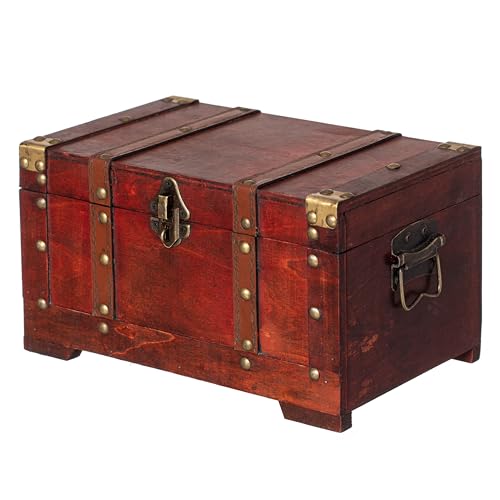
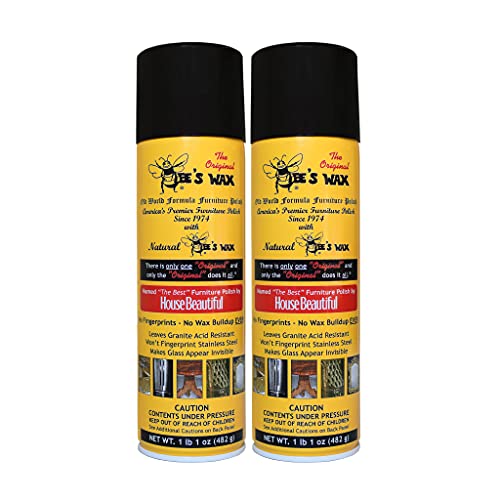

Before You Start
Inspect the trunk for loose joints, cracks, or signs of rot. Work in a well-ventilated area and test any cleaner on an inconspicuous spot first. Avoid soaking the wood, which can cause warping. Time investment ranges from 30 minutes to 2 hours, depending on the trunk’s size and condition. Have a soft brush, cloths, and a small brush ready for crevices.
Step-By-Step: How To Clean An Old Trunk
- Remove any contents and check the interior for moisture or mold; address with proper containment if needed.
- Gently dust the exterior with a dusting brush to lift loose debris from all surfaces, including corners and seams.
- Lightly dampen a microfiber cloth with water or a recommended wood furniture cleaner polish for old trunk, then wipe in the direction of the grain.
- Apply a small amount of cleaner to a fresh cloth and work in circular motions to restore luster without stripping finishes.
- Clean brass or metal hardware with a non-abrasive cleaner, taking care not to abrade patina if preservation is desired.
- For stubborn spots, use a antique wooden trunk cleaning kit as directed by its instructions, focusing on edge joints and decorative inlays.
- Dry surfaces with a clean, dry microfiber cloth. Avoid leaving moisture on wood to prevent swelling.
- Optional: apply a light coat of wood furniture cleaner polish for old trunk to even tone and add subtle protection.
- Inspect the trunk for any new damage after cleaning and address promptly to preserve its value and structure.
- Reassemble contents and store in a climate-controlled area to maintain finish integrity.
- Keep a regular cleaning schedule to prevent buildup of dust and grime over time.
Troubleshooting
| Symptom | Likely Cause | Fix | Prevention |
|---|---|---|---|
| Dull or streaky finish | Residual cleaner or wax buildup | Wipe with a clean microfiber cloth until clear | Use small amounts and wipe evenly |
| Sticky residue after cleaning | Over-application of cleaner | Remove with a damp cloth; re-wipe with dry cloth | Apply sparingly |
| Moisture warping | Excess moisture exposure | Dry promptly; ensure good ventilation | Limit water use |
| Brass hardware tarnishing | Harsh cleaners or abrasion | Use gentle metal cleaner; buff lightly | Test before full application |
| Delicate inlays lifting | Rough cleaning or moisture | Avoid aggressive rubbing; consult a conservator if needed | Handle with care |
Common Mistakes
- Using excessive water or harsh solvents on wood finishes
- Over-waxing or over-polishing, which can create build-up
- Scrubbing stubbornly instead of gently lifting dirt
- Neglecting interior humidity and temperature control
Keeping a light touch and using the right products helps preserve value and appearance without damage.
Tips For Best Results
- Work in sections to prevent dry patches from forming during cleaning.
- Test cleaners on an inconspicuous area first to avoid color changes.
- Use a microfiber cloth for most surfaces to reduce scratching.
- Condition the wood occasionally with a suitable polish designed for older finishes.
- Store the trunk in a stable climate, away from direct sunlight and fluctuating humidity.
Call A Professional
Seek professional help if the trunk shows severe water damage, active insect infestation, extensive finish loss, or structural issues in the joints. Stop cleaning if wood splits or finishes bulge. A conservator or antique restoration specialist can assess whether restoration is advisable and provide safe, long-lasting repairs.
FAQ
Can I use household cleaners on an antique wooden trunk?
It’s best to avoid household cleaners not intended for wood. Use a dedicated wood furniture cleaner polish for old trunks or a kit designed for antiques.
Should I remove the brass hardware before cleaning?
Yes, if possible. Clean hardware separately with a gentle cleaner to avoid residue transferring to wood.
Is it safe to wax the trunk after cleaning?
Yes, but use a product formulated for aged finishes and apply sparingly.
How often should I clean an old trunk?
Light dusting every few weeks with deeper cleanings a few times per year helps maintain appearance and condition.
What if there are cracks or loose joints?
Do not force repairs yourself. Consult a restoration professional to evaluate the structural condition.
Can I restore the finish to look new?
Restoration depends on the trunk’s age and value. Consider preserving patina and consulting an expert before aggressive refinishing.
Is it okay to use water on finished wood?
Minimal moisture is acceptable if followed by immediate drying; avoid soaking.
Buying Guide
When choosing products to clean and restore an old trunk, consider size, finish type, and care needs. A well-selected antique wooden trunk cleaning kit should cover both cleaning and gentle conditioning without harsh chemicals. Look for a wood furniture cleaner polish for old trunk that is designed for aged finishes and easy to wipe off. A dusting brush microfiber cloth set for antique trunk restoration helps reach crevices and maintain patina.
Key buying factors include:
- Size and compatibility: Choose tools and cleaners that fit the trunk’s dimensions and finish.
- Noise and ease of use: Non-abrasive, quiet brushes and cloths work best in home environments.
- Energy efficiency and materials: Prefer water-light cleaners that minimize energy use and chemical exposure.
- Controls and application: Look for user-friendly spray or wipe-on products to control coverage.
- Placement and storage: Keep cleaning supplies in a cool, dry area away from direct sunlight to preserve finishes.
Would you like recommendations tailored to your trunk’s wood type or finish? Consider starting with a lightweight cleaning kit and a microfiber cloth set to test compatibility before broader use.
Leave a Reply