How to Clean an Old Stained Bathtub
Old, stained bathtubs can detract from a bathroom’s overall look. With the right approach and a couple of specialized products, you can brighten porcelain and enamel surfaces without harsh scrubbing. This guide walks through practical steps to remove grime, mineral deposits, and staining effectively.
For best results, choose products formulated specifically for porcelain and enamel, and follow safety guidelines to protect skin and surfaces. The methods below focus on restoring shine and extending the life of the tub’s finish.
Quick Answer
Apply a porcelain bathtub cleaner gel paste or enamel bathtub stain remover cream to the stains, scrub with a long-handle scrub brush, rinse thoroughly, and repeat as needed. For stubborn spots, let the cleaner sit longer before scrubbing; avoid abrasive pads that can scratch surfaces.
What You’ll Need
- porcelain bathtub cleaner gel paste stain remover 24 oz
- enamel bathtub stain remover cream 16 oz kit
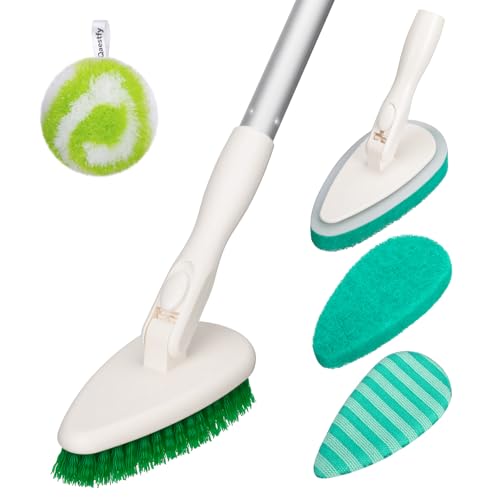
- tub scrub brush long handle non-slip for porcelain and enamel surfaces
- rubber gloves (for skin protection)

Before You Start
Assess the tub’s material and wear. Porcelain and enamel finishes are durable but can be damaged by abrasive cleaners or steel wool. Check for cracks or exposed metal; if present, avoid heavy scrubbing in those areas and consider professional refinishing. Work in a well-ventilated bathroom and wear gloves to protect skin from cleaners. Plan for a 20–45 minute cleaning session, plus time for multiple applications if stains are deep. Avoid mixing cleaners (especially chlorine bleach with ammonia) as it can create dangerous fumes.
Step-By-Step: How To Clean An Old Stained Bathtub
- Remove all tub contents and rinse the surface with warm water to loosen loose dirt.
- Apply a thick coating of porcelain bathtub cleaner gel paste stain remover to the most stained areas. Let it sit for 5–10 minutes to penetrate mineral deposits.
- Using the tub scrub brush long handle non-slip for porcelain and enamel surfaces, scrub in circular motions, focusing on stains and discolored patches.
- Rinse thoroughly with warm water. Check for remaining stains. If needed, reapply the cleaner to stubborn spots and repeat the soaking and scrubbing cycle.
- For enamel tub stains, repeat with enamel bathtub stain remover cream 16 oz kit on persistent areas, allowing the cream to sit briefly before scrubbing.
- Rinse again completely. Dry the surface with a clean towel to prevent water spots, then inspect for any residual staining.
- If staining persists, use a second, milder pass with the original cleaner and scrub with lighter pressure to avoid dulling the finish.
- For hard water mineral rings, consider a second, targeted application and a longer dwell time, followed by thorough rinsing and drying.
- Finish with a light wipe of a neutral cleaner or a dedicated tub sealer to help maintain the surface shine and slow future staining.
- Document any recurring stains and adjust cleaning frequency to keep the surface looking fresh between deep cleans.
- Discard any rags or brushes that have become harboring stubborn residues to prevent re-depositing grime in the tub.
Troubleshooting
| Symptom | Likely Cause | Fix | Prevention |
|---|---|---|---|
| Stains return quickly after cleaning | Hard water mineral deposits or soap scum buildup | Increase cleaning frequency; apply cleaner and dwell time longer when deposits are fresh | Wipe dry after each use; use a daily spray protectant |
| Scratches appear on surface after scrubbing | Abrasive pads or harsh scrubbing | Switch to non-abrasive sponge; reduce pressure | Use non-scratch tools and gentler cleaning cycles |
| Cleaner leaves cloudy residue | Improper rinsing or incompatible cleaner | Rinse thoroughly with warm water; ensure product compatibility | Test a small area first; follow product instructions |
| Discoloration around drain | Metal corrosion or mineral buildup | Targeted cleaner on affected area; avoid metal contact with enamel | Maintain regular cleaning to prevent buildup |
Common Mistakes
- Using abrasive pads or steel wool on porcelain or enamel surfaces
- Mixing cleaners that produce harmful fumes
- Skipping a test patch on a small area before full application
- Over-wetting or leaving cleaners on for too long without rinsing
Tips For Best Results
- Work from top to bottom to avoid re-staining freshly cleaned areas.
- Let cleaners sit to maximize stain dissolution, especially for mineral rings.
- Keep a consistent cleaning schedule to prevent heavy buildup.
- Store cleaners in a cool, dry place away from direct sunlight to maintain effectiveness.
Call A Professional
Consider a pro if there are deep cracks, severe staining that resists repeated treatments, or if the tub shows signs of enamel peeling. Stop and contact a professional if the surface becomes dull, chalky, or if you notice changes in color that could indicate underlying damage.
FAQ
Can I use bleach on a stained porcelain bathtub?
Bleach is effective for some stains but can be harsh on enamel finishes. Always test a small area first and follow product directions.
Is it safe to use abrasive cleaners on porcelain tub surfaces?
Abrasive cleaners can scratch porcelain and enamel. Use non-abrasive brushes and products designed for these surfaces.
How often should I deep-clean an old stained tub?
Deep-clean every 1–2 weeks depending on usage and water hardness; perform extra sessions after heavy mineral buildup seasons.
What should I do about hard-water stains?
Hard-water stains respond well to mineral-removing cleaners. Soak, scrub, and rinse thoroughly, then wipe dry to prevent new deposits.
Buying Guide
When choosing products to restore an old stained bathtub, consider size, finish compatibility, and ease of use. For most homes, a combination approach works best: a porcelain tub cleaner gel paste for stubborn mineral deposits and an enamel stain remover cream for persistent spots. Look for products labeled safe for porcelain and enamel finishes, with clear dwell times and simple application steps.
Key Buying Factors
- Size and coverage: Choose a formula that matches tub surface area; larger bottles reduce reordering frequency.
- Finish compatibility: Ensure the product is formulated for porcelain or enamel to avoid dulling finishes.
- Cleaning power: Gel pastes and creams that dissolve mineral deposits offer strong stain removal with less scrubbing.
- Ease of use: Odorless or low-odor options improve user experience in small bathrooms.
- Application and dwell time: Shorter dwell times are convenient; longer times suit heavy buildup.
- Controls and safety: Child- and pet-safe formulations with clear instructions help reduce risks.
- Placement and storage: Store in a cool, dry place; ensure the product is clearly labeled for bathroom use.
With the right products and a steady routine, an aging tub can regain its brightness and keep shine for years. Do you want to tackle stains with a staged plan or a single, deep-clean session? Either approach can work—consistency is the key.
Leave a Reply