How to Clean an Old Knife Safely and Effectively
Old or vintage knives can hold sentimental value and functional worth, but they often need careful cleaning to restore shine without causing damage. This guide walks American readers through safe methods, from gentle surface cleaning to rust removal and protective maintenance. It emphasizes non-abrasive approaches and the right tools to preserve patina where desirable while improving usability.
With the right approach, you can refresh a cherished blade, improve cutting performance, and extend its life. The steps below balance preservation with practical cleaning, using common materials and a focused toolkit.
Quick Answer
Quick method: Start with light cleaning, then apply a rust eraser or rust remover kit if rust is present. Finish with mineral oil or honing oil and a polishing cloth to protect the blade. For heavy rust, use a dedicated rust remover kit and consult a professional if the blade is valuable or structurally compromised.
What You’ll Need
- vintage knife restoration rust remover kit
- stainless steel knife cleaning brush and polishing cloth set
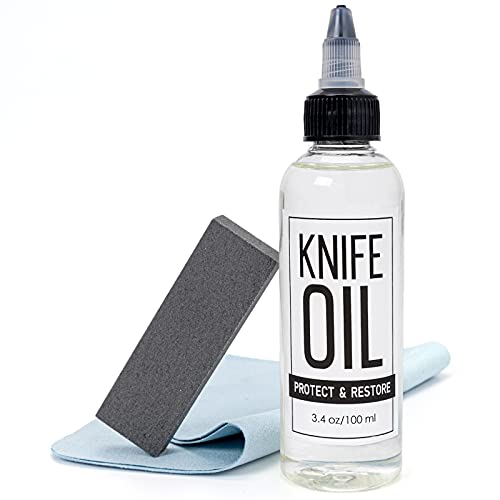
- knife care kit mineral oil rust eraser honing oil

Before You Start
Assess the blade for structural integrity: check for cracks, a loose tang, or severe pitting. If the knife is a treasured antique or has significant monetary value, consider professional restoration rather than DIY cleaning. Work in a well-lit area and use protective gloves to avoid cuts. Time estimates vary: light cleaning can take 15–30 minutes, while rust removal may take longer depending on rust depth. Important cautions: avoid aggressive scrubbing, which can scratch or dull the blade, and never immerse a wooden handle in water for extended periods as it can warp.
Step-By-Step: How To Clean An Old Knife
- Prepare the work area and gather tools, ensuring the blade is safe on a soft mat to prevent slips.
- Rinse softly with warm water to remove surface dirt; avoid soaking if the handle is wooden or has fittings that may rust.
- Use a stainless steel knife cleaning brush and polishing cloth set to remove loose grime without scratching the blade.
- If there is light oxidation, apply a small amount of honing oil or mineral oil and gently wipe with the cloth to lubricate the metal surface.
- For rust spots, work with a vintage knife restoration rust remover kit following package directions. Apply gradually, check frequently, and avoid leaving the chemical on too long.
- Rinse again after rust treatment and dry thoroughly to prevent new corrosion. Ensure the blade is completely dry before storage.
- Inspect the edge for micro‑chips or dullness. If needed, sharpen carefully with a mild sharpening stone, keeping angle consistency to avoid removing too much metal.
- Apply a light coat of knife care kit mineral oil or rust eraser honing oil to protect the blade; wipe off any excess with a clean cloth.
- Store the knife in a dry, ventilated space. Consider a blade guard or sheath to reduce moisture exposure and accidental damage.
- Document the care steps if the item has collectible value, and schedule periodic maintenance to prevent future rust and dullness.
Troubleshooting
| Symptom | Likely Cause | Fix | Prevention |
|---|---|---|---|
| Stubborn rust that reappears | Moisture exposure or inadequate drying | Reapply rust remover as directed, then seal with oil | Keep stored in dry area, wipe after use |
| Pitted blade after rust removal | Deep corrosion | Consider professional restoration or replacement | Immediate cleaning and proper drying after use |
| Handle swelling or loosening | Water exposure or age | Dry thoroughly, consult a pro for handle repair | Prevent soaking; store separately from humidity |
| Edge still dull after sharpening | Improper angle or stones | Reseat sharpening angle; use appropriate grit progression | Practice steady technique and maintain consistent angle |
Common Mistakes
- Using aggressive abrasives that scratch or remove patina
- Over-soaking knives with wooden handles
- Ignoring pre-cleaning assessment and attempting heavy rust removal on fragile blades
- Rushing the drying process, leading to new corrosion
Tips For Best Results
- Test rust removers on a small inconspicuous area first to gauge reaction.
- Always wipe the blade dry before oiling; moisture traps can cause renewed rust.
- Apply a thin, even layer of oil and buff with a polishing cloth for a protective gloss.
- Keep a routine: light cleaning after use and periodic maintenance to extend blade life.
Call A Professional
Consider professional help if the knife has significant historical or monetary value, or if heavy rust has caused pitting or a compromised structural bond. Stop DIY efforts when you notice cracks, looseness in the tang, or spalling metal. If the blade is irreplaceable, a certified conservator will balance preservation with usability.
FAQ
Is it safe to use a rust remover kit on vintage knives?
Yes, but follow instructions carefully and test on a small area first to avoid removing desirable patina or causing damage.
Can I use household items to clean rust on knives?
Basic cleaning with soap and water, then drying, is fine; avoid scouring powders and acidic household cleaners.
How often should I oil a cleaned knife?
Light oiling after cleaning is recommended, then periodic re-oiling based on storage conditions.
What if the knife has a wooden handle?
Be cautious with moisture; use minimal water, dry quickly, and avoid soaking the handle. Seek professional advice for significant restoration.
Buying Guide
When choosing tools for cleaning and restoring an old knife, consider size, noise, energy efficiency, controls, and placement. For example, a compact rust remover kit with clear instructions is ideal for hobbyists and casual restorers. A stainless steel knife cleaning brush and polishing cloth set offers a gentle, effective clean without abrasions. A dedicated knife care kit with mineral oil and honing oil provides ongoing protection and maintenance. Compare kits based on rust removal effectiveness, material compatibility with alloys, and the presence of user-friendly safety features. Think about storage solutions that keep metal dry and protected, such as a dedicated knife rack or a lined case. Finally, prioritize products that include clear safety warnings and surface recommendations to protect both the blade and the user.
Leave a Reply