How to Clean an Old Dishwasher for Peak Performance
Many households rely on dishwashers daily, but over time these appliances accumulate buildup, odors, and reduced efficiency. A thorough clean can restore performance, extend the life of the unit, and improve sanitization. This guide provides practical steps tailored for American homes, with easy-to-find tools and clear safety notes.
Quick Answer
Preheat the dishwasher with a hot rinse, spray the interior with a dishwasher-safe cleaner, scrub stubborn spots, and run a clean cycle with a calcium- or lime-removing product. Focus on the filter, spray arms, and door seal. Repeat every few months to maintain efficiency.
What You’ll Need
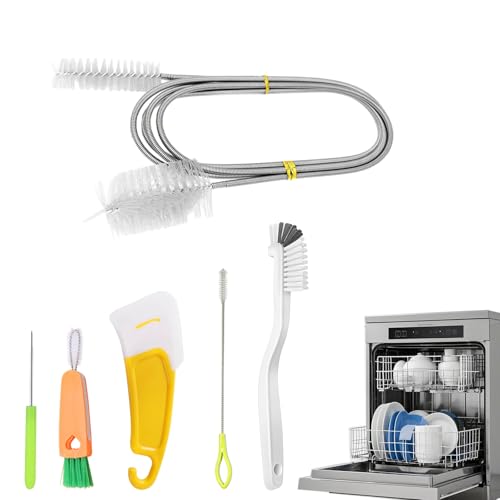
- Dishwasher cleaning brush silicone handle
- Dishwasher spray arm cleaner tool
- Limescale remover for dishwasher


Before You Start
Unplug the unit or switch off the circuit breaker before disassembly. Remove and inspect the bottom filter and any debris from the sump. Clear the spray arms of blocked holes with a tool or pin. Wear eye protection when using strong cleaners and ensure proper ventilation. Time estimate: 30–60 minutes for a thorough cleaning; 1–2 hours if you’re performing a more complete disassembly for deep cleaning.
Step-By-Step: How To Clean An Old Dishwasher
- Turn off power and remove racks to access the interior.
- Inspect and clean the bottom filter; remove loose debris by hand or with a brush.
- Examine the spray arms for clogs; use the dishwasher spray arm cleaner tool to clear any blocked holes.
- Wipe the door gasket with a damp cloth; pay attention to folds and corners where grime collects.
- Run a hot water cycle with a dishwashing cleaner that’s safe for plastics and seals.
- Apply a limescale remover for dishwasher to the interior, focusing on the heater area and mineral buildup.
- Scrub visible interior surfaces with a soft brush and rinse thoroughly.
- Rinse the interior with a fresh hot water cycle to flush cleaner residues.
- Replace racks and run a short cycle with just water to test.
- Check for leaks around the door seal after the test run; reseat or replace if needed.
- Schedule a routine cleaning every 2–3 months to prevent buildup and maintain efficiency.
Troubleshooting
| Symptom | Likely Cause | Fix | Prevention |
|---|---|---|---|
| Leftover odor after a cycle | Food particles trapped in filters | Clean filters and sump; run another cycle with cleaner | Rinse dishes more thoroughly; scrape excess food |
| Clumps or residue on dishes | Detergent buildup or blocked spray arms | Clean spray arms; use appropriate detergent amount | Use recommended detergent and load properly |
| Water not draining completely | clogged drain or filter | Clear drain line and filter; run a cleaning cycle | Regular filter maintenance |
| Gasket leaks | Worn or dirty door seal | Clean seal; replace if torn | Clean gasket during every cleaning |
Common Mistakes
- Using abrasive scrubbers on the interior, which can scratch surfaces
- Overfilling with detergent, leading to suds and residue
- Ignoring clogged spray arms, which reduces cleaning efficiency
- Neglecting routine maintenance of filters and seals
Tips For Best Results
- Run hot cycles at higher temperatures when your dishwasher supports it to improve sanitization.
- Pre-rinse heavily soiled dishes to reduce buildup in the sump and filter.
- Schedule deep cleans every 2–3 months, depending on usage and mineral hardness in the area.
- Choose a lime- and mineral-friendly cleaner that’s compatible with your dishwasher model.
- Test cleaners on a hidden area if you’re unsure about compatibility with plastics and seals.
Call A Professional
If you notice persistent leaks, unusual noises, or electrical smells, stop using the unit and contact a licensed appliance technician. Do not attempt internal repairs beyond basic cleaning if you are not trained, as this could pose electrical hazards or void warranties.
FAQ
How often should I clean my old dishwasher?
Most owners should perform a thorough clean every 2–3 months, with quick checks monthly to prevent buildup.
Can I use baking soda or vinegar for cleaning?
They can be helpful in light cleaning, but avoid using vinegar on metal components or seals in high concentrations.
What if my spray arms won’t spin?
Check for blockages in the spray arms and ensure they are securely attached; clear clogs with the cleaner tool if needed.
Is it safe to use a lime remover with plastic interiors?
Yes, when the product is specifically labeled for dishwashers and used as directed for your model.
Should I detach the heater element for mineral buildup?
Only if you are experienced with appliance disassembly; otherwise use a mineral remover following the manufacturer’s instructions.
Buying Guide
When choosing cleaning supplies and tools for an old dishwasher, consider size, compatibility, and mineral content of your water. Look for tools designed to reach tight areas like gaskets and spray arm junctions. For cleaners, select formulas that target limescale and mineral buildup without harming seals. Noise level and energy efficiency aren’t typically affected by cleaning cycles, but a well-maintained dishwasher runs more efficiently, saving water and electricity over time. Evaluate multiple products, reading user reviews to gauge real-world effectiveness in homes with similar water hardness. Finally, ensure tools include flexible attachments and safe materials for varied interior surfaces.
Leave a Reply