How to Clean an Old Aquarium for a Fresh, Healthy Tank
Cleaning an aging aquarium can seem daunting, but a systematic approach makes the process efficient and safe for fish and plants. This guide shows practical steps, from prep to maintenance, using common tools to restore clarity and balance in a freshwater setup.
Quick Answer
Shut down equipment, remove debris, perform a controlled water change, scrub algae without harming beneficial bacteria, and reseal or replace worn components as needed. Regular, gentle maintenance prevents big cleanup days.
What You’ll Need
Before you start, gather the essential tools and supplies. A well-equipped cleanup kit makes the job faster and safer for aquatic life.
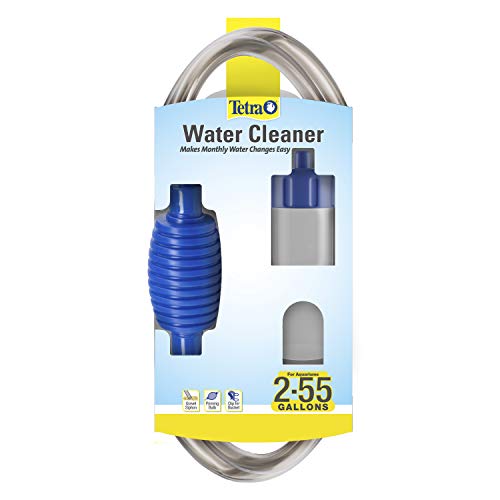
- Gravel siphon aquarium vacuum kit for freshwater tanks 20-55 gallon
- Magnetic glass aquarium cleaner algae scraper dual-side
- Algae scraper replacement blades for aquarium glass 3 inch


Before You Start
Assess the tank size, set up a temporary “fish-safe” holding container if you need to relocate fish, and plan a multi-step cleaning session to minimize stress. Turn off heaters and filters before touching any equipment; sudden changes can shock fish. Have a backup supply of conditioned water ready to maintain stable temperature and chemistry. A typical cleaning session for an older tank can take 30–90 minutes depending on size and buildup.
Step-By-Step: How To Clean An Old Aquarium
- Prepare the workspace and equipment. Place towels to catch spills and have the siphon and scrubbers at hand.
- Power down all equipment. Unplug filters, heaters, and lights to avoid electrical hazards and to reduce stress on inhabitants.
- Use the gravel siphon to start a partial water change. Slowly vacuum the substrate to remove detritus while siphoning water into a bucket.
- Stabilize the water chemistry. If testing shows imbalances, perform a partial water change and consider using a conditioner to neutralize chlorine and heavy metals.
- Scrub the glass: use the magnetic glass aquarium cleaner algae scraper dual-side on vertical panels. Alternate sides to lift algae without scratching the glass.
- Address stubborn algae tiles with replacement blades. Swap a blade as needed to maintain effective scraping without gouging the surface.
- Clean decorations and silicone seams. Gently scrub hardscape with a dedicated brush. Do not use soap; rinse thoroughly with conditioned water.
- Rinse and reassemble. Reconnect equipment, fill the tank slowly to reduce agitation, and recheck temperature and wiring before turning on the power.
- Monitor for a short period. Observe fish activity and water clarity over the next 24–48 hours, making incremental adjustments as necessary.
- Establish a routine. Schedule regular maintenance to prevent heavy buildup and reduce disruptive cleanings in the future.
- Document changes. Record water parameters and cleaning dates to track tank health and identify trends that require action.
Troubleshooting
| Symptom | Likely Cause | Fix | Prevention |
|---|---|---|---|
| Cloudy water after cleaning | Substrate disturbance or incomplete filtration | Run a gentle additional filtration cycle and perform a small water change | Clean in smaller increments; avoid over-siphoning |
| Excess algae regrowth | Light exposure or nutrient buildup | Adjust light timing and reduce feeding; scrub algae and replace worn blades | Use a timer and maintain balanced feeding |
| Fish showing stress | Sudden changes in temperature or water chemistry | Stabilize parameters and provide extra hiding spaces | Change water gradually; monitor daily |
| Low filtration performance | Clogged filter media | Rinse media in removed tank water; replace worn components | Schedule regular media checks |
Common Mistakes
- Over-cleaning the tank or substrate, which can strip beneficial bacteria
- Using soap or cleaning agents on glass or decorations
- Rushing water changes, causing stress to fish
- Cleaning all sides at once, leading to sudden ammonia spikes
Tips For Best Results
- Plan maintenance during cooler parts of the day to reduce temperature shocks for inhabitants
- Use a dedicated algae scraper with replacement blades to maintain edge quality and effectiveness
- Schedule frequent, small cleanings instead of infrequent, deep scrubs
- Rotate cleaning tasks among glass, substrate, and decor to prevent buildup in one area
- Keep a simple log of water parameter readings and maintenance dates
Call A Professional
Consult a professional if you encounter persistent cloudy water, unexplained fish stress, or signs of illness that do not respond to routine maintenance. Seek immediate help if you notice rapid deterioration, strong odors, or significant leaks around the tank or fittings. Large tanks or complex setups may benefit from a certified aquarist’s assessment to prevent long-term damage.
FAQ
How often should I clean an old aquarium?
Most hobbyists perform a light weekly maintenance and a more thorough cleaning every 4–6 weeks, depending on tank size and bio-load.
Can I use tap water for partial water changes?
Yes, but condition it with a water conditioner to remove chlorine and chloramines before adding it back to the tank.
Is it safe to use algae scraper blades on all glass types?
Yes, with caution: use light pressure to avoid scratching tempered glass or coatings.
What should I do if the tank remains cloudy after cleaning?
Test water parameters, check filtration, and consider a small, staged water change while monitoring the bio-load.
How do I maintain a clean tank with live plants?
Balance light, CO2 (if used), and nutrient dosing; avoid over-fertilization and frequent disturbances that disrupt plant roots.
Are magnetic cleaners safe for acrylic tanks?
Most magnet cleaners are designed for glass; use only if labeled safe for acrylic to prevent scratching.
Buying Guide
Choosing the right tools for cleaning an aging aquarium hinges on tank size, material, and user comfort. Consider the following factors to ensure effective maintenance and long-lasting equipment.
- <bTank Size and Compatibility: Ensure tools match your tank capacity (for example, gravel siphon kits labeled 20-55 gallon suit many mid-sized freshwater setups). Larger tanks may need longer siphons and stronger suction.
- <bAlgae Control Tools: A dual-side magnetic cleaner helps with glass panels, while replacement blades ensure consistent performance on stubborn residues. Check blade size (3 inches is common) and compatibility with your glass type.
- <bSubstrate and Decor Cleaning: A siphon with adjustable flow reduces substrate disturbance. Use soft brushes for decorations to avoid scratching surfaces.
- <bEase of Use and Maintenance: Look for ergonomic handles, quick-connect hoses, and durable housings to minimize wear and tear during routine cleanings.
- <bNoise and Energy Use: Quiet filtration and low-power pumps reduce stress for both fish and household occupants; review product specifications for noise ratings and energy efficiency.
- <bPlacement and Accessibility: Plan where the cleaning kit will live, and ensure you can access the tank safely without spilling water on electronics.
- <bBrand and Replacement Parts: Choose reputable brands with readily available replacement blades and spare parts to extend tool life.
- <bBudget and Value: Prioritize multi-functional tools that cover glass scraping, substrate cleaning, and water changes to minimize clutter and expenses.
Leave a Reply