How to Clean Air in a Room
Clean indoor air enhances comfort and health, especially in rooms where people spend extended periods. This guide outlines practical steps to reduce dust, pollutants, and odors using reliable devices and smart routines.
By following practical methods, American households can improve air quality without complex setups. The focus is on accessible tools, proper placement, and maintenance routines that fit typical living spaces.
Quick Answer
Start by measuring the room, selecting a suitable purifier, and using a handheld air quality monitor to track PM2.5 levels. Run a true HEPA and carbon-filter purifier continuously, while airing out the space daily and keeping surfaces clean.
What You’ll Need
- HEPA air purifier for room 200 sq ft
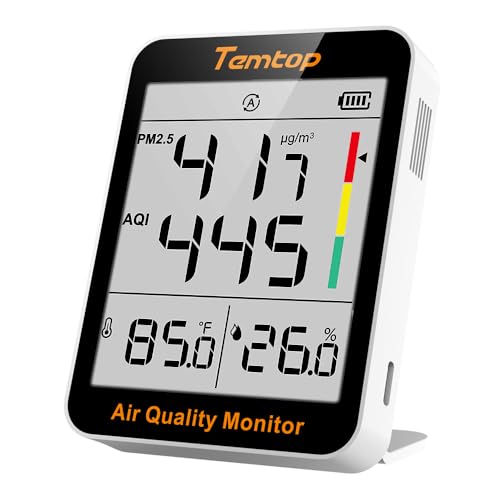
- air quality monitor PM2.5 AQI handheld
- portable air purifier with true HEPA carbon filter for room


Before You Start
Prepare the room by removing clutter and ensuring good air flow from doors and windows when outdoor air quality is acceptable. Place purifiers away from walls and furniture to maximize air intake. Safety notes: keep cords untangled, avoid blocking intake grills, and follow manufacturer guidance for maintenance. Time estimate: 30–60 minutes for setup; ongoing daily use improves results over weeks. Critical cautions: do not run purifiers in damp areas with risk of mold growth, and replace filters as recommended by the manufacturer.
Step-By-Step: How To Clean Air In A Room
- Measure the room size to choose an appropriate purifier capable of circulating air multiple times per hour.
- Install a portable air purifier with true HEPA carbon filter for room and position it centrally for balanced air flow.
- Connect the purifier to power and select a high fan setting for initial air turnover.
- Activate the air quality monitor PM2.5 AQI handheld to establish a PM2.5 baseline before changes.
- Run the purifier for 2–4 hours, then check the monitor readings to verify improvement.
- Open windows briefly on mild, low-pollution days to exchange stale air and reduce indoor VOC buildup.
- Dust and vacuum floors and upholstery regularly to reduce particle generation and recirculation.
- Replace filters per the manufacturer’s schedule and record maintenance dates for consistency.
Troubleshooting
| Symptom | Likely Cause | Fix | Prevention |
|---|---|---|---|
| Poor improvement in PM2.5 levels | Insufficient air exchange | Increase purifier speed or add second unit | Place purifier closer to pollution sources |
| Unusual odor persists | VOC buildup | Run purifier with carbon filter and ventilate | Limit new sources of VOCs |
| Filter replacement needed too soon | High dust load | Vacuum and clean surfaces more often | Keep entryways clear of debris |
| Noisy operation | High fan speed or aging unit | Adjust to a quieter setting or replace unit | Choose models with lower noise ratings |
Common Mistakes
- Running a purifier without proper room sizing, leading to inefficiency.
- Blocking intake or outlet grills with furniture or drapes.
- Neglecting regular filter maintenance, causing reduced performance.
- Relying on a single device in a large space; multiple units may be needed.
Tips For Best Results
- Use a air quality monitor PM2.5 AQI handheld to track progress and adjust setup accordingly.
- Place purifiers away from walls by at least a few inches to prevent recirculation of filtered air.
- Batch-clean rooms with a combination of vacuuming, dusting, and purifiers for maximum effect.
- Choose a model with a true HEPA filter and activated carbon for particles and odors.
- Set automatic modes if available to maintain consistent air quality without manual intervention.
Call A Professional
Seek professional assessment if:
- Persistent humidity or mold growth is detected
- Allergy-like symptoms persist despite improvements
- Electrical or appliance quirks cause unusual noises or overheating
FAQ
How often should I run a purifier in a room?
Run it continuously or during peak hours of activity to maintain steady air quality, adjusting based on monitor readings.
Do I need both a purifier and a carbon filter?
A purifier with a true HEPA filter handles particles, while a carbon filter helps with odors and VOCs.
Will opening windows help or hurt air quality?
Opening windows can help when outdoor air is cleaner and humidity is controlled; otherwise, keep windows closed to prevent pollutant inflow.
How long does it take to notice a difference?
Many users notice improvements within a few hours, with continued gains over days as filtration becomes consistent.
Buying Guide
When choosing an air cleaning setup, consider size, noise, energy use, and controls. For rooms around 200 square feet, select a purifier rated for that area and verify CADR (Clean Air Delivery Rate) values. Look for a device with a true HEPA filter and activated carbon for odors and VOCs. Adjustable fan speeds, night mode, and smart features help tailor performance to daily routines. Position purifiers away from walls and near common activity zones to maximize air turnover. If monitoring PM2.5 levels, pair a purifier with a handheld air quality monitor to track gains over time. For larger spaces, consider multiple units or higher-capacity models to maintain consistent air quality.
Leave a Reply