How to Clean an Air Conditioner: A Practical Guide
Regular maintenance helps an air conditioner run efficiently, reduce energy use, and extend its lifespan. This guide walks through safe, effective methods to clean an air conditioner at home, including evaporator and condenser components, condensate systems, and filter care.
Quick Answer
To refresh performance, start with a clean air filter, then remove and clean accessible coils, and flush the condensate line if needed. Use a dedicated evaporator coil cleaner spray for air conditioner for internal coils, a condenser coil cleaning brush kit for exterior fins, and a condensate drain line cleaning kit for the drainage path. Always power off the unit and follow safety guidelines.
What You’ll Need
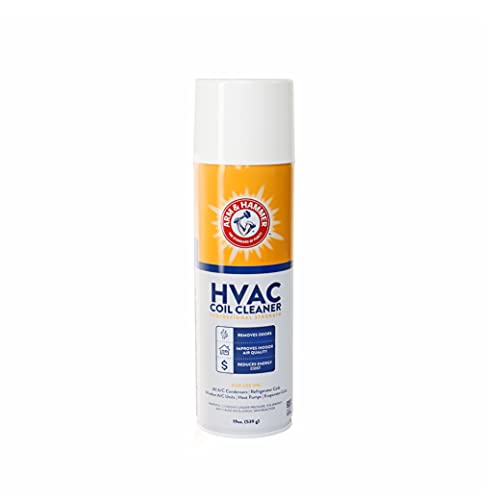
- Evaporator coil cleaner spray for air conditioner
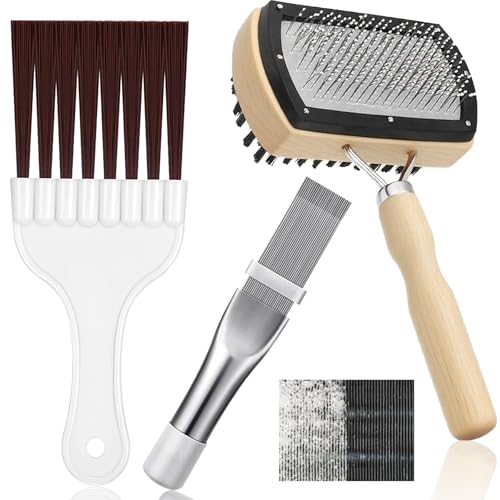
- AC condenser coil cleaning brush kit
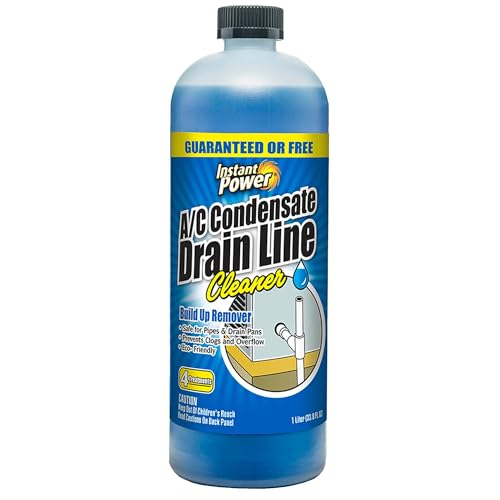
- Condensate drain line cleaning kit for air conditioner
Before You Start
Prepare a clear workspace and shut off power at the thermostat and disconnect switch. Wear eye protection and gloves when handling cleaners. If the unit is in a tight crawlspace or high on a roof, consider professional assistance. Typical cleaning time ranges from 45 minutes to 2 hours, depending on the system type and accessibility. Never mix cleaning chemicals with unrelated cleaners and avoid aggressive scrubbing that could bend fins or damage components.
Step-By-Step: How To Clean An Air Conditioner
- Turn off the power at the breaker and at the thermostat to prevent any shock or startup.
- Remove access panels to expose the evaporator coil and blower compartment, taking care not to damage wiring.
- Inspect the air filter; replace or clean it if reusable. A clean filter improves airflow and cooling efficiency.
- Apply a suitable evaporator coil cleaner spray for air conditioner directly to the coil, following the product instructions for dwell time and rinsing requirements.
- Gently rinse the coil with low-pressure water or a damp cloth if the cleaner’s directions allow. Avoid high pressure that can bend fins.
- Inspect the condenser coil with the outdoor unit. Use the AC condenser coil cleaning brush kit to remove surface debris from the fins, working from top to bottom.
- Check the condensate drain line for blockages. If needed, use a condensate drain line cleaning kit for air conditioner to clear clogs; flush with a small amount of water or cleaning solution as directed.
- Reassemble panels, restore power, and run the system on cool to verify proper airflow and condensation. Listen for unusual noises and monitor for proper drainage.
Troubleshooting
| Symptom | Likely Cause | Fix | Prevention |
|---|---|---|---|
| Weak airflow | Clogged filter or dirty coils | Replace filter; clean evaporator and condenser coils | Schedule seasonal filter changes |
| Excessive frost on coils | Insufficient refrigerant or airflow issue | Call a pro; avoid DIY refrigerant handling | Keep airways clear and maintain proper airflow |
| Water leaks around indoor unit | Blocked condensate line | Use condensate drain line cleaning kit to clear and test | Regular drain line flushing |
| Outdoor unit not running | Debris or loose wiring | Clear debris with brush kit; inspect wiring (professional if needed) | Keep surrounding area clean |
Common Mistakes
- Using household cleaners not designed for coils, which can leave residues or damage metal.
- Rinsing with high-pressure water that bends fins or drives water into electrical components.
- Neglecting the condensate drain, leading to overflows or mold growth.
- Forgetting to turn off power, increasing the risk of shock or compressor damage.
Tips For Best Results
- Schedule cleaning in mild weather to avoid overheating or freezing cycles.
- Keep a routine: clean or replace filters every 1–3 months depending on usage and household conditions.
- Use locking pins or protective covers when the unit is not in season to minimize debris ingress.
- Document maintenance with dates to track when replacements or cleanings are due.
- Consider a professional inspection if the system shows persistent inefficiency after cleaning.
Call A Professional
Stop and call a pro if there are signs of refrigerant leaks, unusual hissing sounds, severe ice buildup after cleaning attempts, or electrical burning smells. Do not attempt to repair refrigerant lines yourself, as handling refrigerants requires training and certification. For complex installations, wiring, or major component replacements, a licensed HVAC technician is the safest option.
FAQ
How often should I clean my air conditioner?
Filter changes every 1–3 months and a coil inspection annually are common guidelines; more frequent cleaning may be needed in dusty environments.
Can I use bleach or vinegar to clean coils?
Not recommended; use products designed for evaporator and condenser coils to avoid residue and corrosion.
Is it safe to clean the outdoor condenser coil myself?
Yes, with caution: power off, use a brush to remove debris, avoid bending fins, and follow product directions.
What if the condensate line keeps clogging?
There may be a drainage slope issue or a persistent blockage; use a condensate drain line cleaning kit and consult a professional if it persists.
Should I clean the blower and fan?
Yes, during a full system cleaning; wipe blades gently and ensure there is no debris obstructing movement.
Do DIY cleaners affect the warranty?
Some manufacturers require professional servicing for warranty validity; check the unit’s manual before using cleaners.
Buying Guide
When choosing products to support air conditioner cleaning, consider compatibility with your system and the typical environment. Key factors include size and reach of tools, ease of use, and the cleaning power of sprays or brushes. Look for evaporator coil cleaner spray for air conditioner that is safe for metal fins and compatible with access panels. The AC condenser coil cleaning brush kit should be sturdy with flexible bristles for complex fins. A condensate drain line cleaning kit for air conditioner should clear common clog types with minimal risk to the line. For best results, select accessories from reputable brands and verify that replacements or consumables are readily available.
Size and layout of the system influence tool choice. A compact brush kit may suffice for residential condensers, while larger commercial units benefit from heavier-duty tools. Noise level is rarely a major concern for cleaning tools, but comfort and ease of use matter for extended sessions. Energy efficiency considerations mainly relate to the overall system, not cleaning tools, though clean coils contribute to better efficiency. Controls and placement aren’t directly affected by cleaners, but ensure any outdoor cleaning does not obstruct access or airflow around the condenser. Finally, a realistic maintenance plan that includes periodic checks helps sustain cooling performance over time.
Leave a Reply