How to Clean an Air Conditioner Wall Unit
Maintaining a wall-mounted air conditioner helps it run efficiently and keeps indoor air clean. This guide walks through safe, practical steps to clean the unit without damaging components or draining performance. Readers will learn how to refresh both the interior and exterior, reduce odors, and extend the life of their AC wall unit.
Quick Answer
Turn off power, remove debris from the exterior grille, carefully vacuum the interior, and use a suitable cleaner for the evaporator coil. Clean or replace the filter, then reassemble and test the unit. Use a brush for vents and a damp cloth for surfaces, avoiding moisture on electrical parts.
What You’ll Need
The following tools and products cover common wall-mounted AC cleaning tasks. Start with the essentials and add specialty items if available.
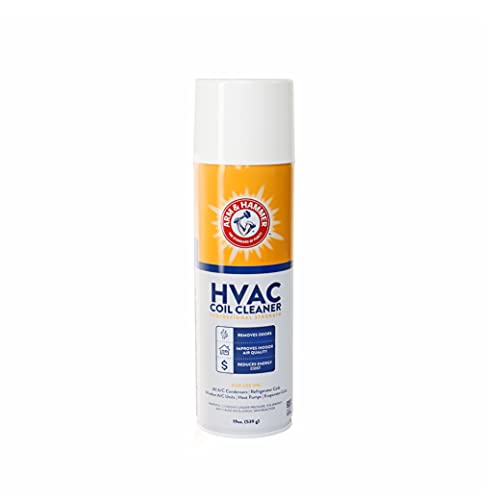
- Evaporator coil cleaner spray for wall-mounted air conditioner
- AC vent cleaning brush kit for through-wall/window air conditioner
- Handheld vacuum with crevice tool for air conditioner vent cleaning
- Soft microfiber cloths
- Non-abrasive spray bottle with water
- Lint-free wipe or paper towels
- Protective gloves (optional)


Before You Start
Power off the unit at the breaker and unplug if possible. Remove the front grille carefully and inspect for loose screws. Work in a well-lit area and avoid pulling on wiring. Clear the surrounding area of furniture and drapes to prevent moisture transfer. Typical cleaning time ranges from 20 to 45 minutes depending on dirtiness and accessibility. Be cautious of electrical components and moisture near electrical connections.
Step-By-Step: How To Clean A Wall-Unit Air Conditioner
- Power off and unplug the unit; switch off the circuit breaker for extra safety.
- Remove the front grille following the manufacturer’s instructions; set aside with screws if applicable.
- Use the handheld vacuum with the crevice tool to remove loose dust from the grille, louvers, and interior corners.
- Wipe the exterior with a damp microfiber cloth; avoid spraying water directly onto the electronics.
- Insert the AC vent cleaning brush kit into the vent channels and gently agitate to lift dust.
- Apply a targeted evaporator coil cleaner spray to the coils according to label directions; allow dwell time and rinse if required.
- Rinse or wipe away loosened debris from the coils and surrounding area; dry with a clean cloth.
- Reinstall the grille and secure screws; replace or clean the air filter as needed.
- Restore power and run the unit on cooling to ensure proper airflow and no unusual noises.
- Monitor for any odor or reduced performance and plan periodic maintenance every 1–3 months during heavy use.
- Schedule professional service if cold air stops or unusual sounds appear after cleaning.
Troubleshooting
| Symptom | Likely Cause | Fix | Prevention |
|---|---|---|---|
| Weak airflow | Clogged filter or coils | Clean/replace filter; clean coils | Regular filter changes |
| Unpleasant odor | Mold growth in coil or tray | Clean coils and tray; dry thoroughly | Keep area dry; clean monthly |
| Water leakage | Blocked drainage or grille misalignment | Inspect drain pan; reseat grille | Ensure proper drainage path |
| Strange noises | Loose screws or debris in blower | Tirm screws; remove debris | Inspect during each cleaning |
Common Mistakes
- Spraying water or cleaner directly into electrical components.
- Using abrasive tools that scratch coils or panels.
- Neglecting the filter and drainage during routine cleanings.
- Disassembling parts beyond the manufacturer’s guidance.
Tips For Best Results
Plan a routine cleaning schedule aligned with use frequency and indoor air quality needs. Use a coil cleaner spray designed for evaporator coils and test on a small area first. When possible, run the unit in dry, cool conditions after cleaning to speed up drying. Label screws and keep a small parts tray to prevent misplacement.
Call A Professional
Seek professional help if the wall unit shows refrigerant leaks, persistent ice buildup on the evaporator coil, electrical smells, or if cleaning does not restore performance. Do not attempt refrigerant handling or major disassembly.
FAQ
How often should I clean a wall-mounted air conditioner?
Clean the filters monthly during peak use and perform a thorough cleaning every 3–6 months, or more often in dusty environments.
Is evaporator coil cleaner spray safe for wall units?
Yes, when used according to the label and kept away from electrical components.
Can I use a regular vacuum on the coils?
A handheld vacuum with a crevice tool is suitable for vents; avoid aggressive suction directly on coils to prevent damage.
What maintenance can extend the life of the unit?
Regular filter changes, prompt addressing of odors, and keeping the drainage path clear all contribute to longer life and better efficiency.
Buying Guide
When choosing tools and cleaners for cleaning a wall unit, consider how often you will clean, the unit’s size, and your comfort with DIY maintenance. Key buying factors include size compatibility with your unit, noise tolerance during operation, energy efficiency, control accessibility, and placement considerations within the room.
Size matters: smaller, compact units may require lighter, portable tools while larger wall units benefit from longer reach brushes. Noise level affects comfort during cleaning or while running the unit post-maintenance. Energy efficiency features can influence ongoing costs even as you perform maintenance, so consider how easy it is to operate controls and access filters during routine care. Placement, such as proximity to furniture or curtains, impacts airflow and cleaning ease. For a balanced approach, compare options that offer easy filter access, clear cleaning instructions, and compatible accessories to simplify ongoing maintenance.
Leave a Reply