How to Clean Acrylic Shower Doors
Acrylic shower doors offer a bright, modern look with a lightweight feel, but they can show soap scum, hard water spots, and mildew if not cared for properly. This guide provides practical, step-by-step methods that protect the surface while restoring clarity and shine. Follow the routine that fits your bathroom needs and frequency.
Quick Answer
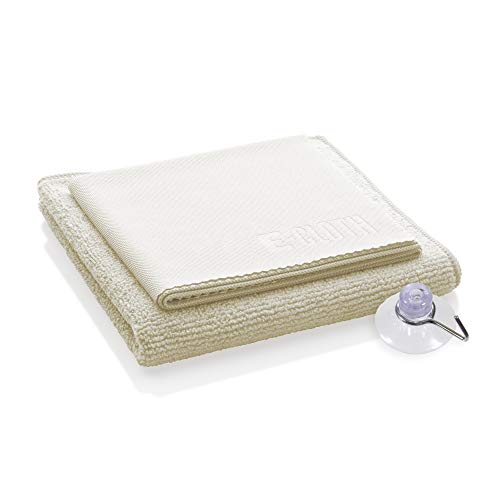
To clean acrylic shower doors effectively, wipe with non-scratch microfiber cloth for acrylic shower doors cleaning after each use, rinse well, and dry with a streak-free shower squeegee for acrylic doors. For tougher buildup, use a soft-bristle brush and a gentle, non-abrasive cleaner specifically formulated for acrylic surfaces.
What You’ll Need
- Non-scratch microfiber cloth for acrylic shower doors cleaning
- Streak-free shower squeegee for acrylic doors
- Soft-bristle nylon scrub brush bath shower acrylic cleaning
- Gentle cleaner suitable for acrylic (non-abrasive)
- Spray bottle for mixing solutions
- Gloves for hand protection (optional)


Before You Start
Clear the area and ventilate the bathroom. Wear gloves if sensitive to cleaners. Test any cleaner on a small inconspicuous area first. Work on a routine schedule to prevent buildup, especially in areas with hard water. Time estimate: 20–30 minutes for a standard shower, plus additional time for deep cleaning.
Caution: Avoid abrasive pads, ammonia-based cleaners, or solvent-heavy products that can scratch or dull acrylic. Do not use harsh scrubbing components on the door panels.
Step-By-Step: How To Clean Acrylic Shower Doors
- Remove loose shampoo bottles and mats to access every panel fully.
- Rinse doors with warm water to loosen surface residue.
- Apply a small amount of gentle cleaner to a soft-bristle nylon scrub brush bath shower acrylic cleaning or microfiber cloth.
- Gently scrub in a circular motion, paying attention to corners and tracks where grime collects.
- Rinse thoroughly with warm water, ensuring all cleaner is removed.
- Use a streak-free shower squeegee for acrylic doors to remove water from the panels, wiping from top to bottom.
- Dry the doors with a clean microfiber cloth to prevent water spots.
- Inspect for remaining spots; repeat the cleaning cycle on stubborn areas if needed.
- Optional: for mineral deposits, apply a descaling solution sparingly and rinse well.
- Return items to the shower and wipe down any affected surrounding surfaces.
Troubleshooting
| Symptom | Likely Cause | Fix | Prevention |
|---|---|---|---|
| Cloudy appearance on doors | Soap film or hard water spots | Use a gentle cleaner and a microfiber cloth; re-squeegee | Wipe down after each shower |
| Streaks after cleaning | Residue from cleaners | Rinse thoroughly, then dry with microfiber | Choose streak-free formulas |
| Scratches or dull spots | Using abrasive tools | Switch to non-scratch tools and avoid Scotch-Brite pads | Stick to soft brushes and cloths |
| Mildew on edges | Moisture staying in corners | Ventilate bathroom and clean edges with mild solution | Keep area dry after showers |
Common Mistakes
- Using abrasive pads or bleach-based products on acrylic surfaces
- Neglecting to rinse cleaners completely, leaving soap residues
- Filaing to dry panels, which leads to water spots and mildew
- Scrubbing aggressively around frame seals, risking damage
Tips For Best Results
- Establish a quick daily wipe-down routine using streak-free shower squeegee for acrylic doors after showers.
- Keep a dedicated bottle of a mild, acrylic-friendly cleaner accessible in the bathroom.
- Install a small bathroom fan or improve ventilation to reduce moisture buildup.
- For mineral-heavy water, consider a weekly descaling routine with a product designed for acrylic.
Call A Professional
If you notice persistent staining, warping, or seal damage around the doors, or if cleaning requires unusual products, consult a professional. Signs to stop DIY cleaning include visible cracks, discoloration that spreads, or leaks around the door seals.
FAQ
Can I use vinegar to clean acrylic shower doors?
Yes, but dilute vinegar and avoid prolonged contact. Rinse thoroughly to prevent any residue buildup.
Is it safe to use dish soap on acrylic doors?
Light dish soap is generally safe when diluted; test first and avoid abrasive scrubbing tools.
How often should I clean acrylic shower doors?
Wipe after each use and perform a deeper clean every 1–2 weeks depending on water hardness and usage.
What should I do about hard water stains?
Use a gentle descaler designed for acrylic, follow with thorough rinsing and drying.
Buying Guide
When choosing cleaning tools and products for acrylic shower doors, consider size, material compatibility, and ease of use. Key factors include:
- Size and fit: Ensure squeegee width and handle reach suit your shower enclosure.
- Noise level: Some squeegees are quieter during use, which helps in shared bathrooms.
- Energy and water efficiency: Quick wipe-down routines save water and time.
- Controls and heft: Comfortable grip and balance reduce fatigue during cleaning.
- Placement: Store products within easy reach but out of direct spray paths to extend life.
- Material compatibility: Use tools and cleaners labeled safe for acrylic to prevent scratches.
Considering a complete kit that includes non-scratch microfiber cloth for acrylic shower doors cleaning, streak-free shower squeegee for acrylic doors, and a compatible soft-bristle nylon scrub brush bath shower acrylic cleaning can simplify routines and help maintain clarity.
Leave a Reply