How to Clean Acrylic Sheets Safely and Effectively
Acrylic sheets offer clarity and durability for a wide range of applications, from signs to display cases. Proper cleaning preserves their optical quality and resists clouding or scratching. This guide presents a practical, user‑friendly approach to cleaning acrylic without damaging the surface.
Whether you are refreshing a small display in a storefront or maintaining an acrylic panel at home, following the right steps minimizes smudges and keeps the material looking like new. The focus is on gentle, non‑abrasive methods that remove contaminants while protecting the sheet’s finish.
Quick Answer
Use a dedicated acrylic cleaner or mild soap and water, dry with a soft microfiber cloth, and polish only when needed with a plastic polish kit. Avoid ammonia or abrasive cleaners, and never rub with rough fabrics or scrubby pads.
What You’ll Need
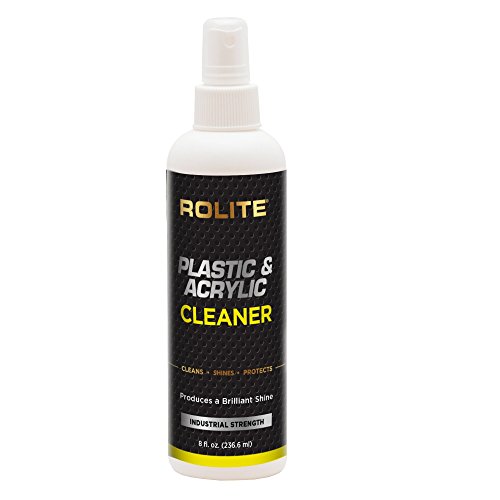
- acrylic sheet cleaner spray non-abrasive 22 oz
- microfiber cloth for cleaning acrylic panels 12×12 inches
- plastic polish kit for acrylic sheets with polishing compound and pads


Before You Start
Clear the area and remove loose dust with a soft brush or dry microfiber. Work in a shaded area to prevent rapid drying and streaks. Test cleaners on a small inconspicuous corner before full application. Avoid ammonia-based products and solvents, which can cause crazing or clouding over time. Plan for about 10–20 minutes for a typical cleaning, longer for heavily soiled panels.
Step-By-Step: How To Clean Acrylic Sheet
- Gently remove loose dust with a dry, clean microfiber or soft brush.
- Spray a light mist of acrylic cleaner or mild soap solution onto the surface, not directly onto edges to avoid seepage.
- Wipe in smooth, unidirectional motions using a clean microfiber cloth to lift dirt without scratching.
- Rinse with a separate microfiber cloth dampened with water if needed to remove soap residue.
- Dry the surface completely with a dry microfiber cloth, using light, circular motions for a spotless finish.
- For minor hazing or cloudiness, apply a small amount of polishing compound from a plastic polish kit and buff gently with the included pad.
- Buff until the surface regains clarity, wiping away any residual compound with a clean cloth.
- Inspect for streaks or smudges and repeat the wipe/dry process if necessary.
- Refrain from using glass cleaners that contain ammonia, which can degrade the acrylic over time.
- Store cleaning supplies away from direct sunlight and heat to preserve effectiveness.
- Regular maintenance: a light wipe every few weeks prevents buildup and reduces the need for polishing.
- Dispose of used cloths after heavy contamination to avoid transferring residues during future cleanings.
Troubleshooting
| Symptom | Likely Cause | Fix | Prevention |
|---|---|---|---|
| Streaks after cleaning | Residue from cleaner or hard water | Use a dedicated acrylic cleaner and a microfiber cloth; dry thoroughly | Rinse with plain water and dry immediately |
| Cloudy appearance | Scratches or hazing | Lightly polish with plastic polish kit following instructions | Avoid rough cloths and abrasive cleaners |
| Surface feels rough | Built-up residue or micro-scratches | Clean with non-abrasive cleaner and re‑polish if needed | Use soft cloths and gentle pressure |
| Discoloration near edges | Moisture intrusion or chemical exposure | Ensure edges are dry and avoid prolonged exposure to cleaners | Seal edges against moisture when possible |
Common Mistakes
- Using ammonia-based cleaners on acrylic, which can cause crazing or clouding
- Scrubbing with rough pads or paper towels that scratch the surface
- Rubbing a dirty cloth over the panel in circular motions, spreading grime
- Leaving cleaner residue on the surface
Sticking to gentle, non-abrasive methods helps maintain clarity and prolongs the life of acrylic sheets.
Tips For Best Results
- Always use a dedicated acrylic cleaner or mild soap solution rather than household glass cleaners.
- Line up the cleaning direction to be consistent; this reduces streaking and helps spot issues quickly.
- Keep a dedicated microfiber cloth only for acrylic to avoid transferring debris from other surfaces.
- For large panels, consider working in sections to maintain control and prevent drying marks.
- Regular maintenance, such as light wipe-downs, reduces the need for polishing and keeps panels clear.
Call A Professional
Seek professional help if the acrylic panel shows deep scratches, significant crazing, or water ingress into adhesives or mounting hardware. Complex repairs or reseating panels often require an expert assessment to preserve structural integrity and appearance.
FAQ
Can I use dish soap to clean acrylic sheets?
Yes, a mild dish soap diluted in water works for routine cleaning, but follow with thorough rinsing and drying using a microfiber cloth.
Is it safe to polish acrylic sheets at home?
Light polishing with a plastic polish kit is generally safe if instructions are followed; avoid overpolishing in one spot.
What should I avoid when cleaning acrylic?
Avoid ammonia cleaners, abrasive pads, and rough fabrics that can scratch or craze the surface.
How often should I clean acrylic panels?
Regular light cleaning is recommended; deep polishing is only needed when there is haze or clouding.
Buying Guide
When selecting products to care for acrylic sheets, consider size, noise level, energy efficiency of cleaning tools, and compatibility with acrylic finishes. A dedicated acrylic cleaner helps preserve clarity, while a microfiber cloth minimizes micro-scratches. For restoration or hazing, a plastic polish kit with polishing pads provides a controlled way to restore transparency. If the panel is large or mounted, ensure the cleaner and pads are suitable for the surface and edge materials. Look for non‑abrasive formulas and clear usage instructions to maximize results and minimize risk.
Leave a Reply