How to Clean Accent Pillows: Simple, Safe Methods for Fresh Cushions
Accent pillows can elevate a room’s style, but they often collect dust, spills, and odors. This guide provides practical steps to clean a variety of pillow fabrics without damaging inserts or covers. Readers will learn best-practice methods that work for most American homes and can be applied to common pillow types found on couches, chairs, and beds.
The goal is to restore appearance and freshness while preserving pillow integrity. The methods below emphasize safety, effectiveness, and gentle techniques suitable for durable fabrics and delicate textures alike.
Quick Answer
For most fabric-covered accent pillows, start with a quick vacuum to remove loose dirt, spot-treat stains with a fabric stain remover spray, and use a fabric-safe steam or surface cleaner if the cover is removable. For non-removable covers, surface-clean the fabric, allow to dry completely, and refresh with a lint roller to remove fibers and dust.
What You’ll Need
The following tools and supplies are commonly effective for cleaning accent pillows. Gather these before you start to streamline the process.
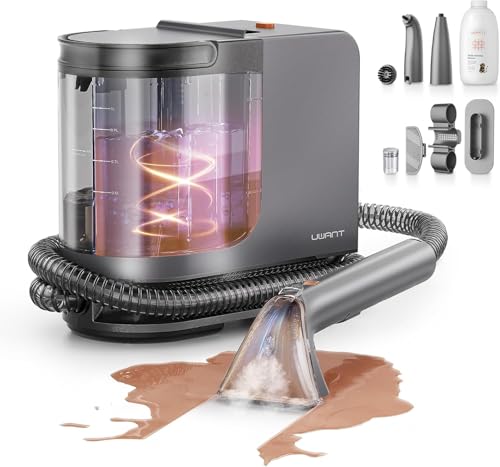
- Upholstery steam cleaner for pillows fabric
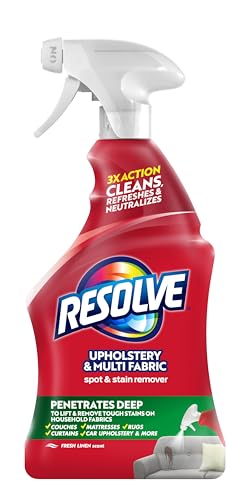
- Fabric stain remover spray for cushions and pillows
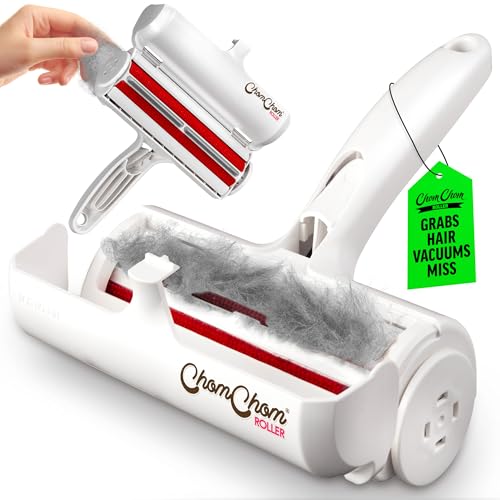
- Lint roller for furniture upholstery pillows
Before You Start
Before cleaning, check care labels on pillow inserts and covers. If the pillow is dry-clean only or the cover is not removable, adapt methods accordingly. Test any cleaner on a small, inconspicuous area first to ensure colorfastness. Plan for a cleaning window of a few hours to allow pillows to dry completely after treatment. Important cautions: avoid saturating fabric, never use high heat on delicate materials, and keep the area well-ventilated to prevent mildew.
Step-By-Step: How To Clean Accent Pillows
- Remove removable covers from pillow inserts and inspect seams for wear. If a cover is machine-washable, follow the garment-care instructions on the label.
- Vacuum the pillow and cover with a soft brush attachment to lift dust and hair from all surfaces, including edges and creases.
- Apply a fabric stain remover spray to any visible stains. Allow the product to sit for the time recommended on the label, then blot with a clean cloth or sponge rather than rubbing hard.
- For removable covers, launder according to the care label. Use a gentle cycle with mild detergent and cold water; air-dry or tumble dry on low heat if permitted by the fabric.
- If the cover is not machine-washable, spot-clean with a soft cloth dampened with a mild detergent solution. Rinse by blotting with a clean cloth dampened with plain water to remove soap residue.
- When cleaning non-removable fabrics, use an upholstery-safe steam cleaner in a light, sweeping motion to lift dirt without soaking the material. Allow the fabric to dry completely before replacing the insert.
- After cleaning, brush nap-sensitive fabrics with a lint-free cloth or soft brush to restore texture and evenness of the surface.
- Run a lint roller across the entire surface to remove remaining fibers, pet hair, and dust. This step helps restore a fresh appearance quickly.
- Reassemble the pillow with its insert and test for any lingering odors. If needed, sprinkle a small amount of baking soda, let sit briefly, then vacuum again to remove residual scent.
- Place pillows in a well-lit area to ensure dry time is complete. Avoid exposure to direct sunlight for long durations to prevent color fading on delicate fabrics.
- Schedule regular maintenance—spot-clean stains promptly and vacuum weekly to extend the life of both cover and insert.
Troubleshooting
| Symptom | Likely Cause | Fix | Prevention |
|---|---|---|---|
| Stains persist after cleaning | Deep-set or non-removable stains | Reapply fabric stain remover and blot; repeat as needed | Handle spills quickly; consider a stain barrier spray on new fabric |
| Color fading after washing | Incorrect water temperature or detergent | Wash cold with mild detergent; avoid bleach | Follow care labels; test detergents on hidden area |
| Cover shrinking after washing | Heat exposure | Air-dry or tumble dry on low if permitted | Use low heat or air-dry; remove promptly to avoid wrinkles |
| Fabric becomes stiff after cleaning | Residue from cleaners | Rinse with clean water and air-dry completely | Use minimal soap; avoid over-wetting |
| Persistent odor | Moisture retention or mildew | Ventilate area; sprinkle baking soda, then vacuum | Ensure thorough drying; avoid damp storage |
Common Mistakes
- Using hot water on delicate fabrics that shrink or bleed color
- Over-saturating non-removable covers, which can damage inserts
- Rubbing stains aggressively, which can spread or embed them deeper
- Neglecting to test cleaners on a hidden area before full application
Keeping these pitfalls in mind helps maintain the look and longevity of accent pillows across seasons.
Tips For Best Results
- Perform light cleaning on a regular basis to prevent heavy buildup.
- Use a lint roller after cleaning to capture loose fibers and pet hair.
- Store pillows in a dry, ventilated space when not in use to prevent musty odors.
- Rotate cushions periodically to avoid uneven wear and color fading in sunny rooms.
Call A Professional
Seek professional help if the pillow covers are delicate silk, leather, or specialty textiles, or if staining persists despite home cleaning. Stop and consult a cleaner if there are signs of fabric damage, extensive dye transfer, or if the pillow insert shows mold growth. Also contact a pro if you notice persistent leaks or odor that outdoor exposure cannot resolve.
FAQ
Can I clean non-removable pillow covers in the washing machine?
Only if the care label allows machine washing. Many non-removable covers require spot cleaning or professional cleaning to avoid damage.
Is a steam cleaner safe for all fabrics?
Steam is generally safe on many fabrics, but always test a small area first and avoid saturating delicate materials.
How often should I vacuum pillows?
Vacuum weekly or after heavy use to reduce dust, hair, and allergen buildup.
What should I do about a lingering odor?
Ventilate well, use baking soda to neutralize odors, and ensure complete drying after cleaning.
Are stain removers safe on colored fabrics?
Test on a hidden area first to confirm colorfastness and compatibility with the fabric.
Should I wash pillow inserts?
Inserts may be washable or not depending on the material. Follow manufacturer guidance to avoid clumping or loss of fluff.
What about feather or down inserts?
Spot-clean the cover and, if the insert is washable, launder per the insert’s care instructions to maintain loft.
Buying Guide
Choosing cleaning tools and supplies for accent pillows involves evaluating several factors. Consider size and fabric type, noise level and energy use, and placement in the home. A compact, quiet upholstery steam cleaner can be ideal for frequent spot-cleaning on living room pillows, while a fabric stain remover spray provides quick, targeted treatment without heavy equipment.
Key buying factors include:
- Size and weight: Select equipment that is easy to maneuver around furniture and reach tight spaces.
- Noise level: Quiet operation helps in living spaces and bedrooms.
- Energy efficiency: Look for energy-saving modes or lower wattage devices for ongoing use.
- Controls: User-friendly controls with clear spray and steam settings minimize misuse.
- Placement: For wall or sofa pillows, prefer tools that are safe for upholstery fabrics and gentle on delicate textiles.
Compare models by evaluating performance on a range of fabrics, from cotton blends to synthetic upholstery. If multiple fabrics exist in a living room set, choosing one tool with adjustable steam and targeted spray will streamline care. Consider keeping a dedicated fabric stain remover spray and a lint roller on hand for quick touch-ups between deeper cleanings. By selecting practical, versatile gear, homeowners can maintain fresh, stylish accent pillows with ease.
Leave a Reply