How to Clean a/C Condensate Line
The condensate drain line is a critical part of an air conditioning system, removing excess moisture from the indoor environment. Over time, algae, mineral buildup, and debris can clog the line, leading to higher humidity, water leaks, or even system shutdowns. This guide provides practical, step-by-step instructions for safely cleaning an AC condensate line using common tools and a recommended cleaning kit.
Proper maintenance helps protect indoor air quality and HVAC efficiency. The steps below are designed for typical residential systems. If the system is older, shows repeated leaks, or you notice standing water, consider professional assessment.
Quick Answer
To clean a clogged condensate line, shut off power to the system, locate the drain access, use an auger snake or a dedicated drain cleaning kit to clear the line, flush with a condensate line cleaning chemical, and verify proper drainage before restoring power. Regular maintenance reduces future clogs.
What You’ll Need
- HVAC condensate drain line cleaning kit
- AC condensate drain line auger snake
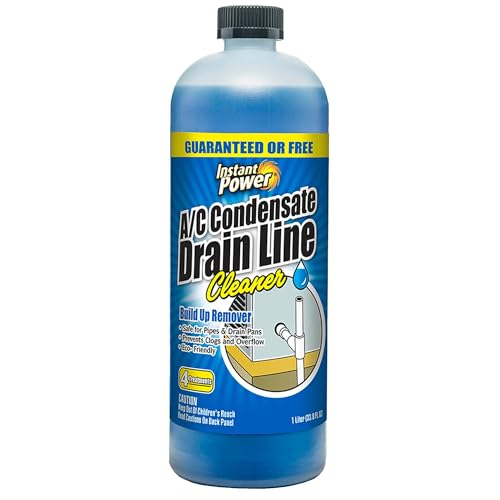
- condensate line cleaning chemical for AC drain


Before You Start
Before beginning, switch off the power at the thermostat or breaker to prevent harm or accidental startup. If the system has a water overflow pan with a safety switch, temporarily disable it only if you can monitor and prevent spills. Gather tools, wear eye protection, and work in a well-ventilated area. Time estimate: 30–60 minutes for a typical clean. Critical cautions: do not force the line or use excessive pressure; improper use can damage the drain line or HVAC components.
Step-By-Step: How To Clean A/C Condensate Line
- Turn off power to the HVAC unit at the breaker panel to ensure safety during cleaning.
- Locate the condensate drain access point, typically near the furnace or air handler. If your system uses a drain cleanout, open it carefully to access the line.
- Inspect for visible blockages or algae at the access point. Do not insert tools forcefully into a sealed line; use the auger snake designed for condensate lines.
- Insert the AC condensate drain line auger snake into the drain line and gently rotate to break up buildup. Push slowly until you encounter resistance, then rotate to pull material back.
- Advance the auger in short increments, clearing clogs from the drain pipe toward the main pan or outside outlet. Remove any debris collected on the auger tip.
- Apply condensate line cleaning chemical for AC drain per the product instructions. Flush the line with a small amount of water or follow the chemical’s recommended rinse method to neutralize residues.
- Re-inspect the access point for remaining buildup. If clear, reassemble any caps or panels and pour a small amount of water through the line to confirm steady drainage.
- Restore power and monitor the system for continued drainage during the first cycle. If leaks or poor drainage recur, schedule a professional inspection.
Troubleshooting
| Symptom | Likely Cause | Fix | Prevention |
|---|---|---|---|
| Water backing up into the pan | Clean with auger snake and chemical; flush thoroughly | Schedule regular cleanings; use a condensate float switch | |
| Persistent clog after cleaning | Follow a second pass with the snake; inspect traps | Seal access points after cleaning to prevent debris entry | |
| No drainage after chemical flush | Check for closed valves or kinks; re-open if needed | Inspect line routing to avoid sharp bends | |
| Foul odor from drain | Clean with chemical and flush; consider enzyme-based cleaners | Schedule maintenance to prevent biofilm growth |
Common Mistakes
- Using excessive force with the auger, risking pipe damage.
- Skipping the flush step, leaving chemical residues that can clog again.
- Neglecting to disconnect power, creating safety hazards.
- Ignoring signs of system leaks or repeated clogs; delaying professional help.
Tips For Best Results
- Perform cleaning during a dry period to avoid moisture exposure to electronics.
- Combine mechanical cleaning with a chemical treatment designed for condensate lines for more thorough results.
- Keep the external drain line outlet free of vegetation or debris to ensure proper drainage.
- Consider a seasonal maintenance schedule to prevent algae growth and mineral buildup.
- Label the cleanout for easy future access and routine checks.
Call A Professional
Seek professional help if there is repeated clogging, persistent leaks, or if the line is difficult to access. Also contact a pro if you notice mold growth, unusual noises, or warming symptoms in the home after attempting cleaning. Do not attempt high-pressure flushing or disassembly of critical components without training.
FAQ
What causes AC condensate lines to clog?
Biological growth, mineral buildup, and debris from the HVAC system can accumulate in the drain line, especially in humid climates.
How often should I clean my condensate drain line?
Many systems benefit from a cleaning every 6–12 months, or when you notice slow drainage or a backup.
Can I use any cleaner in the condensate line?
Only cleaners formulated for condensate lines should be used to avoid damage; follow manufacturer directions carefully.
Is it safe to DIY, or should I hire a pro?
Basic clogs can be addressed with a kit and careful steps. Complex issues, repeated clogs, or limited access require professional service.
What tools improve cleaning effectiveness?
A dedicated HVAC condensate drain line cleaning kit and an AC condensate drain line auger snake typically yield better results than improvised tools.
Buying Guide
When selecting tools for cleaning an AC condensate line, consider these factors to ensure reliable performance and long-term maintenance.
Size and compatibility: Choose a kit and auger snake size compatible with your drain line diameter and access point. A mid-range option often covers most residential systems.
Noise and ease of use: Look for ergonomic handles, smooth rotation, and compact design to minimize effort and discomfort during use.
Material and durability: Stainless steel components resist corrosion from cleaners and condensate and last longer in humid environments.
Chemical compatibility: Use a condensate line cleaning chemical approved for HVAC use to avoid residue buildup or pipe damage.
Ease of maintenance: Reusable components with clear cleaning instructions reduce long-term costs and downtime.
Safety features: Grounded equipment, protective gloves, and clear labeling help prevent accidents during cleaning.
Placement and storage: Store tools in a dedicated cabinet near the HVAC system for quick access during maintenance.
Reviews and guidance: Check user reviews for real-world performance, especially for your specific climate and system type.
Managing condensate line health is a key part of home HVAC care. With the right tools and a careful approach, many clogs can be cleared quickly, reducing the risk of water damage and improving system efficiency. If in doubt, or if symptoms persist, a licensed technician can diagnose underlying issues and prevent future problems.
Leave a Reply