How to Clean an Above Ground Pool in Simple Steps
Keeping an above ground pool clean involves regular brushing, skimming, vacuuming, and filter maintenance. A straightforward routine helps maintain clear water, balanced chemistry, and a healthier, more enjoyable swimming space for families and guests.
This guide focuses on practical methods using common pool tools to maximize results with minimal effort, including a telescoping pole, a vacuum head, and a cleaning brush. Readers will find a clear, step-by-step plan that fits typical backyard setups.
Quick Answer
To clean an above ground pool efficiently: remove surface debris with a skimmer, scrub walls and floor with a brush, vacuum to waste or to filter as appropriate, and run the filter long enough to circulate and filter the water. Use a telescoping pole and compatible heads for reach and leverage, then test and balance pool chemistry for best clarity.
What You’ll Need
Collect these tools and items before you start. They work well for most above ground pool sizes and shapes:
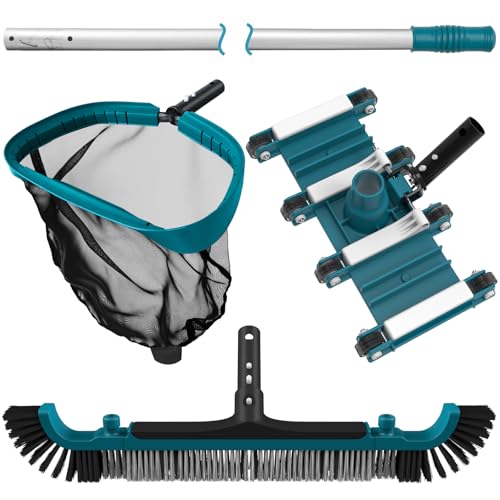
- aluminum telescoping pool skimmer pole for above ground pool—extends reach for surface skimming
- above ground pool vacuum head with telescoping pole kit—connects to a pole, helps vacuum debris
- above ground pool cleaning brush and scrubber set with handle—for walls and floor scrubbing
- Skimmer net and pool brush as backups
- Pool vacuum hose and clamps, if using a vacuum head
- Water testing kit or test strips


Before You Start
Before starting, ensure the water level is adequate, usually mid-skimmer bucket or higher. Clear the area around the pool to prevent tripping hazards. Safety first: never operate pool equipment when the power is on or while children are nearby unsupervised. Allow the water to circulate for several hours after a chemical adjustment to avoid skin or eye irritation. Important: if you notice torn liners, persistent leaks, or equipment damage, stop and inspect the system to avoid further issues.
Estimate time for a standard cleaning session is typically 45–90 minutes, depending on pool size, debris load, and how often you clean. Plan for longer sessions if the pool is heavily shaded or has dense pollen buildup.
Step-By-Step: How To Clean An Above Ground Pool
- Put the aluminum telescoping pool skimmer pole for above ground pool on a stable surface and attach the skimmer head. Ensure the connection is tight to prevent leaks during skimming.
- Skim the surface to remove leaves, bugs, and floating debris. Move methodically across the surface in a slow, sweeping motion.
- Place the above ground pool vacuum head with telescoping pole kit onto a standard vacuum hose and connect to the pole. Attach the hose to the pool’s skimmer intake or vacuum port as recommended by the manufacturer.
- Lower the vacuum head to the pool floor using the telescoping pole. Vacuum slowly in long, straight passes to prevent pushing debris back into the water.
- Switch to wall scrubbing with the above ground pool cleaning brush and scrubber set with handle. Focus on algae-prone areas and corners, using circular motions to loosen dirt.
- Move back to the floor and brush any remaining debris into the vacuum path. If needed, pick up stubborn particles with the skimmer net and rinse the debris before disposal).
- Turn off the pump when you connect the vacuum hose to the skimmer or dedicated vacuum port, then re-start the pump to resume circulation.
- Check the filter and backwash or rinse as needed. Run the filter continuously for 8–12 hours initially, then maintain a regular schedule based on use and water clarity.
- Test water chemistry and adjust pH, alkalinity, and sanitizer levels as needed. Address cloudy or green water quickly with balanced chemicals and proper filtration.
- Repeat this routine regularly, especially during peak swim seasons or after heavy rainfall, to maintain consistent clarity and comfort.
Troubleshooting
| Symptom | Likely Cause | Fix | Prevention |
|---|---|---|---|
| Cloudy water | Inadequate filtration or improper chemical balance | Run filter longer, test and adjust chemicals | Regular testing and routine cleaning |
| Poor suction or no suction | Vacuum hose air leaks or clogged head | Check hoses for leaks, reseat connections, clean head | Keep hoses away from kinks; rinse after use |
| Debris around pool edges | Surface skimming incomplete | Increase skimming frequency; clean skimmer basket | Remove nearby leaves before they accumulate |
| Algae growth on walls | Low sanitizer or poor brushing | Brush thoroughly and adjust sanitizer; shock if needed | Regular brushing and routine chemical checks |
Common Mistakes
- Skipping the brushing step and relying only on vacuuming
- Using a vacuum head without a proper hose seal, causing loss of suction
- Skipping testings and misbalancing chemicals, which leads to cloudy water
- Leaving the pump off too long after adding chemicals, hindering circulation
Tips For Best Results
- Brush walls and floor at least twice per week during the swimming season to prevent algae buildup.
- Keep the skimmer basket clean to maintain consistent suction and filtration.
- Use a telescoping pole for extended reach and better leverage, reducing strain on your back.
- Test water chemistry weekly and adjust promptly to keep water comfortable and safe.
- Stabilize pH around 7.4–7.6 and alkalinity around 80–120 ppm for optimal sanitizer efficiency.
Call A Professional
Seek professional help if you notice persistent cloudy water after multiple cleanings, frequent chemical imbalances, or persistent equipment leaks. Stop using the pool if the liner shows signs of damage or if the filtration system fails to run despite troubleshooting. A licensed pool technician can diagnose pump failures, leaks, or significant algae outbreaks that require specialized treatment.
FAQ
How often should I clean my above ground pool?
Clean surfaces weekly and skim daily during peak season; vacuum and brush as needed based on debris and water clarity.
What is the best way to remove algae from pool walls?
Brush thoroughly, balance chemicals, and consider a shock treatment if algae persists.
Can I use household cleaners to clean the pool?
No. Use only pool-approved cleaners and tools to protect water chemistry and liner integrity.
How long should I run the pool filter after cleaning?
Run the filter for 8–12 hours initially, then maintain a regular schedule based on usage and water clarity.
Is it necessary to vacuum to waste?
Vacuuming to waste removes debris before it re-enters the pool, helpful after heavy rain or pollen events.
Should I shock the pool after heavy use?
Shocking can be beneficial after heavy use, rainfall, or after significant debris to restore water balance.
Buying Guide
When choosing tools for cleaning an above ground pool, consider size, routine, noise, and ease of use. A good setup includes a strong, adjustable aluminum telescoping pool skimmer pole for above ground pool that reaches every corner, a compatible above ground pool vacuum head with telescoping pole kit for efficient debris removal, and a sturdy above ground pool cleaning brush and scrubber set with handle for scrubbing surfaces.
Key buying factors include:
- <bSize and fit: Ensure poles extend to the pool’s depth and are compatible with your existing heads.
- <bNoise level: Manual cleaning tools are quiet; powered vacuums may produce some noise, so consider placement and operation times.
- <bEnergy efficiency: If using a powered vacuum or pump, look for energy-efficient models and proper flow rates.
- <bControls: Simpler locking mechanisms and secure hose connections reduce leaks and setup time.
- <bPlacement: Store tools in a dry, accessible spot; keep hoses untangled and away from pool skimmer intake.
- <bMaintenance: Choose materials resistant to sun and chemical exposure, and easy to clean after use.
By balancing these factors, homeowners can select a reliable cleaning system that minimizes effort while maximizing water clarity and pool enjoyment.
Leave a Reply