How to Clean Abalone Shells
Abalone shells are prized for their iridescent interior and delicate exterior. Proper cleaning preserves their natural luster without causing damage. This guide outlines safe methods and practical tips for routine care, whether you’re cleaning a display piece or shells collected from the shoreline.
By following gentle techniques and using appropriate tools, you can maintain the beauty of abalone shells for years to come. The focus is on non-abrasive methods that avoid scratching or dulling the shell’s surface while removing dirt, salt, and organic buildup.
Quick Answer
Rinse shells with lukewarm water, avoid soaking for long periods, and use a soft-bristle brush or non-abrasive sponge to remove debris. For stubborn grime, a mild soap solution helps; dry thoroughly to prevent water spots and salt crystallization.
What You’ll Need
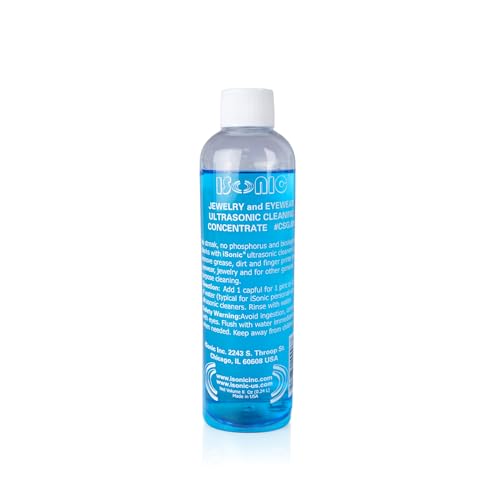
- Ultrasonic jewelry cleaner for delicate shells
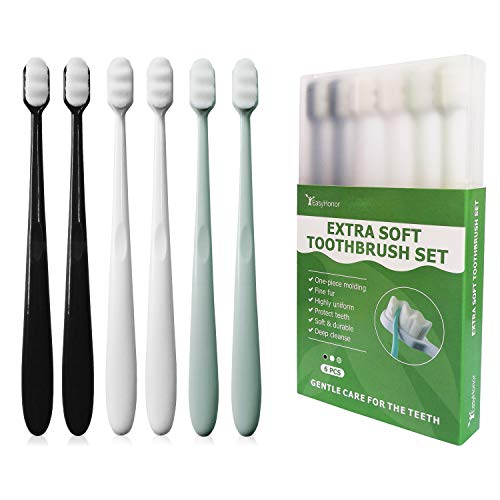
- Soft bristle toothbrush for cleaning delicate shells
- Non-abrasive sponge gentle cleaning shell material
- Microfiber cloth for drying

Before You Start
Work in a well-lit area and keep shells away from strong sunlight during cleaning to prevent fading. Rinse off loose grit under running water to minimize the amount of brushing needed. Avoid harsh chemicals, acetone, ammonia, and bleach, which can damage nacre and outer surfaces. Time estimate: 10–20 minutes per batch, depending on grime level.
Handle shells carefully to prevent chipping their edges. If a shell is broken or has fragile areas, limit handling and consider a gentler approach to avoid further damage.
Step-By-Step: How To Clean Abalone Shells
- Place shells in a shallow basin of lukewarm water. Allow any loose salt to dissolve for 5–10 minutes.
- Gently rinse each shell under running water to remove surface debris.
- Dip a soft bristle toothbrush for cleaning delicate shells in a mild soap solution and lightly scrub the exterior and interior surfaces in a circular motion.
- For stubborn grime, use a non-abrasive sponge gentle cleaning shell material to blot or softly rub the area, avoiding any harsh scrubbing.
- Rinse again with clean water to remove all soap residues, ensuring no soap film remains on the nacre.
- If you want extra shine, wipe with a damp microfiber cloth and then air-dry on a soft towel. Avoid stacking wet shells to prevent sticking.
- Inspect for chips or cracks. If you notice damage, set the piece aside to prevent further deterioration during handling.
- Optional preservation step: apply a very light, non-silicone conditioner or mineral oil in a tiny amount on a cloth and buff gently. Use sparingly and test on a hidden area first.
- Fully air-dry before displaying or storing to prevent moisture buildup and mineral deposits from forming.
- Store in a cool, dry place away from direct sunlight to maintain color and luster.
- Repeat cleaning as needed, especially after exposure to salt air or damp environments.
- For collections with many shells, rinse in small batches to avoid crowding, which can cause accidental rubbing and scratches.
Troubleshooting
| Symptom | Likely Cause | Fix | Prevention |
|---|---|---|---|
| Dull or chalky surface after cleaning | Soap residue or mineral deposits | Rinse thoroughly with clean water and buff with microfiber | Rinse completely; avoid leaving soap films |
| Scratches or micro-chips | Rough brushing or use of abrasive tools | Switch to softer brushes and non-abrasive sponges | Handle gently; limit contact with hard surfaces |
| Discoloration after sun exposure | Prolonged sunlight or heat | Move to a shaded area for drying | Store away from direct sunlight |
| Water spots on interior | Water mineral content | Wipe dry with microfiber and air-dry completely | Rinse with distilled water for final rinse |
Common Mistakes
- Using abrasive brushes or rough scrubbing pads on delicate shells
- Soaking shells for long periods, which can weaken nacre
- Applying harsh chemicals that react with shell materials
- Skipping thorough drying, leading to water spots or salt crystallization
Keeping the cleaning routine simple and non-abrasive protects the natural beauty of abalone shells without compromising their integrity.
Tips For Best Results
- Always test a small, inconspicuous area before applying any cleaner to the shell’s surface.
- Use lukewarm water rather than hot to avoid thermal stress and potential cracking.
- Rinse promptly after brushing to minimize residue on the shell.
- Dry surfaces thoroughly with a soft microfiber cloth before storage.
- Consider a regular, light cleaning schedule to prevent heavy buildup.
Call A Professional
Seek professional help if a shell has: significant cracks, structural damage, or if the piece holds sentimental or monetary value. Do not attempt extensive repairs yourself if the integrity is in question, and consult a specialist in shell restoration or marine collectibles.
FAQ
Can I use dish soap to clean abalone shells?
Yes, a mild dish soap in lukewarm water is suitable. Rinse well to remove all soap residue.
Is it safe to use ultrasonic cleaners on shells?
Only if the shells are fragile and labeled as safe for ultrasonic cleaning; otherwise, avoid potential damage and use soft brushing instead.
How should I dry abalone shells after cleaning?
Pat dry with a microfiber cloth and let them air-dry completely on a soft towel before storing.
Can I reapply a gloss or conditioner after cleaning?
Yes, very sparingly and only with products designed for shells; test first on a hidden area.
What should I avoid placing abalone shells near?
Avoid direct sunlight, high humidity, and heat sources that can cause fading or warping.
How often should abalone shells be cleaned?
Clean as needed, especially after exposure to salt spray, fingerprints, or dust; routine light cleaning is usually sufficient.
Buying Guide
When choosing cleaning tools and accessories for abalone shells, consider size, material safety, and ease of use. A practical kit includes soft-bristle brushes, non-abrasive sponges, and microfiber cloths. Look for products labeled safe for delicate, iridescent surfaces and avoid harsh chemicals. If you plan to clean a large collection, select tools with gentle, controlled action to prevent accidental damage. Consider storage solutions that protect shells from impact and sunlight, such as padded boxes or display cases with dust covers. A compact ultrasonic cleaner may be useful for delicate pieces, but ensure it has gentle settings designed for fragile materials. Overall, prioritize non-abrasive, chemical-free options and slow, meticulous cleaning to preserve the shell’s natural beauty.
Leave a Reply