How to Clean a Wool Carpet Yourself Safely and Effectively
Wool carpets offer natural softness and impressive durability, but cleaning them requires care to preserve fibers and color. This guide walks American homeowners through a safe, step-by-step process using tools designed for wool, delivering fresh results without professional help.
Quick Answer
For most home cleaning, vacuum thoroughly, pretreat stains with an enzymatic stain remover suitable for wool, use a wool-safe carpet shampoo in a portable carpet cleaner, and blot dry. Avoid hot water, harsh chemicals, and heavy scrubbing to prevent damage or color loss.
What You’ll Need
- Portable carpet cleaner machine for wool carpets
- Wool-safe carpet shampoo for machine cleaning (gentle formula) 1 gallon
- Stain remover for wool carpets enzymatic formula 16 oz
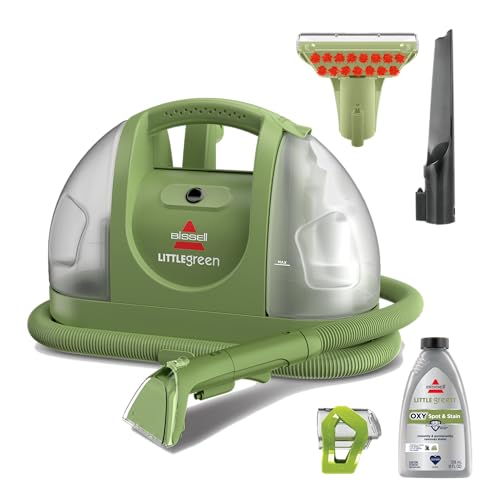

Before You Start
Prepare the area by removing furniture and placing a drop cloth or old towels to catch spills. Test any cleaner on a hidden corner of the carpet and wait 24 hours to ensure there is no color bleed. Use cool or lukewarm water only; hot water can shrink wool and set stains. Plan for 2–4 hours of total time, including drying time. Avoid over-wetting the carpet, which can lead to mold or odor. Protect hands with gloves and keep pets and children away during cleaning.
Step-By-Step: How To Clean A Wool Carpet Yourself
- Vacuum the area thoroughly to remove loose dirt and debris. Run the vacuum slowly across high-traffic zones and use attachments for edges and corners.
- Identify and pretreat stains with an enzymatic stain remover designed for wool. Apply sparingly and let it sit for the recommended time to break down organic stains.
- Mix wool-safe shampoo with the portable cleaner according to the product instructions. Use the wool-friendly formula to protect fibers and color.
- Test cleaning on a small area again after mixing, ensuring no color change or texture alteration before proceeding widely.
- Clean in sections, moving the cleaner in slow, overlapping strokes. Avoid soaking the carpet; use light, even passes to lift soil without saturating wool.
- Rinse with clean water or run a dry pass if your machine supports it to remove residual shampoo. Do not leave soapy film, which can attract more dirt.
- Blot and extract excess moisture with clean towels or a specialized wool drying microfiber. Press gently without rubbing to minimize fiber fraying.
- Dry thoroughly by increasing air circulation, opening windows, or using fans. Wait 6–12 hours or until the carpet is fully dry before replacing furniture.
- Groom fibers with a soft brush after drying to restore pile direction and even out any flattening from cleaning.
- Inspect for any missed spots and repeat targeted cleaning if necessary, using a light touch to avoid over-wetting.
- Keep a maintenance routine by vacuuming regularly to prevent dirt buildup and extending the life of wool fibers.
Troubleshooting
| Symptom | Likely Cause | Fix | Prevention |
|---|---|---|---|
| Dishy residues or sticky feeling | Leftover shampoo or too much water | Rinse area with clean water and blot; repeat if needed | Follow dilution and rinsing guidelines precisely |
| Stains reappearing after drying | Deep-set stains not fully removed | Reapply enzymatic stain remover and repeat gentle cleaning | Treat stains promptly and avoid aggressive scrubbing |
| Discoloration or fading | Harsh cleaners or heat exposure | Stop using aggressive products; switch to wool-safe formula | Always test in a hidden area first |
| Fiber fraying or shedding | Over-wetting or heavy scrubbing | Cease aggressive cleaning; allow thorough drying | Use gentle, controlled strokes |
| Persistent odor | Moisture trapped under fibers | Increase ventilation and repeat drying process | Ensure complete drying before heavy use |
Common Mistakes
- Using hot water or high heat during cleaning
- Applying too much cleaner or soaking the carpet
- Rubbing stains aggressively, causing fiber damage
- Skipping a complete drying phase, leading to mold or odors
Tips For Best Results
- Work in a planned grid: clean one square meter at a time to maintain control over moisture.
- Always use a wool-safe shampoo formulated for machine cleaning to protect fibers.
- Balance cleaning with ventilation; a fan or dehumidifier speeds up drying and reduces odor risk.
- Consider a pre-mist of stain remover on tough spots, followed by targeted cleaning rather than full carpet saturation.
- Regular vacuuming prevents soil buildup that can become difficult to remove later.
Call A Professional
Seek professional help if the wool carpet shows severe staining, persistent odors after thorough drying, or if the carpet has delicate weaves or backing that may not tolerate portable cleaners. Stop cleaning and contact a pro if you notice color bleeding, distortion of fibers, or any unusual texture after cleaning.
FAQ
Is it safe to use a portable carpet cleaner on wool carpets?
Yes, when used with a wool-safe shampoo and following the manufacturer’s instructions, a portable cleaner can be effective for wool carpets.
Can I use regular carpet shampoo on wool carpets?
Avoid regular formulas; wool-safe shampoos are gentler and better protect the fiber and color.
How long does wool carpet take to dry after cleaning?
Most wool carpets take 6–12 hours to dry completely, depending on humidity and airflow.
What should I do if color fades after cleaning?
Cease use of the aggressive product, test on a hidden area, and consult a professional if fading persists.
How often should I clean wool carpets?
Light maintenance with regular vacuuming can be done weekly, with deeper cleanings every 6–12 months depending on traffic.
Can I steam clean wool carpet?
Steam can be used cautiously with wool-safe products and at low heat; always follow the carpet’s care guidelines.
What if a stain remains after cleaning?
Reapply an enzymatic stain remover and gently re-clean the spot, avoiding rubbing.
Buying Guide
Choosing the right tools and products for wool carpets combines performance with fiber safety. Consider size and layout of the room, noise levels, and energy use when selecting a portable carpet cleaner for wool carpets. Look for models with adjustable suction and a heated option to speed drying, though heat should be used sparingly with wool. Noise ratings can influence comfort in homes with open floor plans or early cleaning schedules.
Key factors include:
- Size and weight: Portability matters for stairs and multi-room cleaning.
- Noise level: Lower decibels provide a more comfortable cleaning experience, especially in living areas.
- Energy efficiency: Look for energy-efficient motors and shortest cycle times to minimize power use.
- Controls: Simple, intuitive controls reduce user error on delicate wool fibers.
- Placement: Store in a dry, accessible area to encourage regular maintenance, not just spot cleaning.
When evaluating options, compare how each model handles wool-specific cleaning needs, such as compatibility with wool-safe shampoos and enzymatic stain removers. If in doubt, read consumer reviews from households with wool carpet experiences and verify warranty coverage for fiber-safe operation. Remember, proper tools and gentle techniques help preserve softness, color, and longevity in wool carpets.
Leave a Reply