How to Clean a Wet Bed Quickly and Safely
Accidents happen, and knowing how to clean a wet bed promptly can prevent odors and stains from setting. This guide provides practical steps using common household supplies and the right tools to protect your mattress long-term.
The following process focuses on effective cleaning, deodorizing, and safeguarding your bed with moisture barriers and proper drying. It helps minimize disruption and keeps your sleeping surface hygienic for the whole household.
Quick Answer
Blot the area to remove excess moisture, use a moisture barrier if possible, apply an enzymatic urine stain remover, extract with a handheld cleaner, and allow the mattress to dry completely before replacing bedding.
What You’ll Need
- Waterproof mattress protector queen size breathable
- Enzymatic urine stain remover spray for mattresses
- Handheld carpet/upholstery cleaner extractor


Before You Start
Act quickly to limit staining and odor. Remove all bedding and clothing from the bed, and detach any blankets or sheets that can trap moisture. Use gloves if you have sensitive skin. Ventilate the room by opening a window or turning on a fan, and plan for several hours of drying time.
Test cleaning products on a small, inconspicuous area of the mattress first to ensure no color transfer or damage. If any liquid has seeped into the box spring or foundation, address those areas separately.
Step-By-Step: How To Clean A Wet Bed
- Remove all bedding and place it in the laundry. If fabric is washable, launder promptly with appropriate detergents.
- Blot excess moisture from the mattress surface with clean towels or paper towels. Press firmly but avoid grinding the stain deeper into the fabric.
- Lightly mist the stained area with water to loosen any dried residue, then apply enzymatic urine stain remover spray for mattresses according to the product label.
- Let the enzymatic cleaner sit for the recommended dwell time to break down organic material. Do not rinse immediately; this helps the enzymes work effectively.
- Use a handheld carpet/upholstery cleaner extractor to suction moisture and dissolved residues from the mattress surface. Work in narrow sections for even extraction.
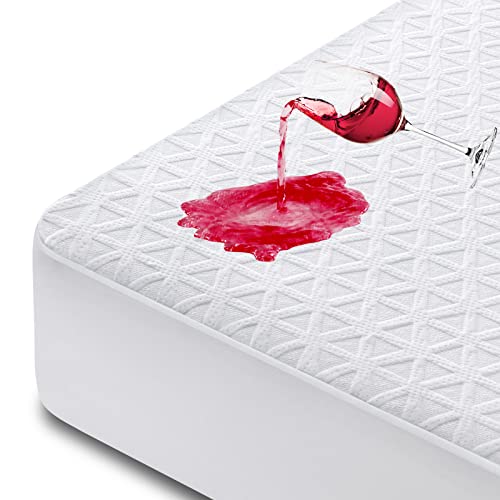
- Apply a breathable barrier by laying a waterproof mattress protector queen size breathable over the mattress if you anticipate future spills or for ongoing protection.
- Turn the mattress or rotate it to expose moist areas and repeat extraction if necessary. Ensure both sides dry evenly when possible.
- Ventilate the room and use fans or a dehumidifier to speed up drying. Avoid sleeping on the mattress until it is completely dry to prevent mold growth.
- Once dry, reassemble the bedding and wash any laundered items. If odors persist, repeat the enzymatic cleaner treatment on the affected area.
Troubleshooting
| Symptom | Likely Cause | Fix | Prevention |
|---|---|---|---|
| Persistent odor | Insufficient dry time or deep-set stain | Reapply enzymatic cleaner and extend drying time | Use a waterproof protector from the start |
| Stain reappears after cleaning | Stain deeply penetrated mattress fabric | Apply stain remover again and extract thoroughly | Address spills immediately; use protective cover |
| Mattress still damp after hours | High humidity or insufficient airflow | Increase ventilation and use dehumidifier | Room airflow optimization during cleaning |
| Fabric discoloration after cleaning | Cleaning product reaction with mattress dye | Test first in a hidden area; rinse thoroughly if needed | Patch test before full application |
Common Mistakes
- Over-wetting the mattress or using excessive cleaner
- Rushing drying times, leading to mold growth
- Skipping a test patch on sensitive fabrics
- Not using a moisture barrier for future protection
Tips For Best Results
Work in small, manageable sections to ensure even cleaning and drying. Use cold or room-temperature water for initial rinsing to avoid setting stains. If the bed lies on a water-prone floor, consider placing a protective mat or tray beneath during drying. Regularly cleaning with the right products helps extend mattress life and maintain hygiene.
Call A Professional
Consider professional help if the mattress shows mold growth, persistent staining after repeated cleaning, or if you notice a strong, lingering odor that does not fade after thorough drying. If you have allergies or sensitive skin and cleaning does not resolve discomfort, a pro can advise on deeper cleaning or replacement options.
FAQ
What should I do immediately after a spill?
Blot with a clean towel to remove as much liquid as possible, then move to enzymatic cleaner application and extraction.
Can I use regular carpet cleaner on a mattress?
Yes, a handheld cleaner designed for upholstery can work, but follow product instructions and avoid overwetting.
How long does it take for a mattress to dry completely?
Drying time varies with room humidity and airflow, typically several hours to overnight.
Is a mattress protector enough protection for future incidents?
A breathable waterproof protector adds a strong barrier against future spills and makes cleanup easier.
Buying Guide
When selecting protective gear and cleaning aids for a wet bed scenario, consider these factors. Size compatibility matters; ensure the waterproof mattress protector queen size breathable fits your bed precisely. Noise level is relevant for any cleaning appliances used near sleeping areas. Look for energy-efficient, non-toxic cleaning formulas and easy-to-clean surfaces. Controls should be simple to operate, and placement is key—keep detergents and tools within reach but away from sleeping areas. Compare products based on stain-removal efficacy, drying support, and long-term protection to minimize future incidents.
Leave a Reply