How to Clean a Walk-in Tub
Walk-in tubs offer convenient access and safety for many bathrooms, but keeping them clean requires a routine that tackles soap scum, mineral buildup, and interior surfaces without damaging seals or finishes. This guide provides a practical, step-by-step approach using common cleaning tools and products.
Quick Answer
Routinely rinse the tub after use, apply a non-abrasive cleaner to the interior surfaces, let it sit briefly, scrub with a soft brush, rinse thoroughly, and dry. For hard water or mineral buildup, use a bathroom descaler designed for tubs and rinse completely to prevent residue.
What You’ll Need
- Walk-in tub cleaning kit
- Extendable tub cleaning brush curved head
- Bathroom descaler hard water cleaner for tubs
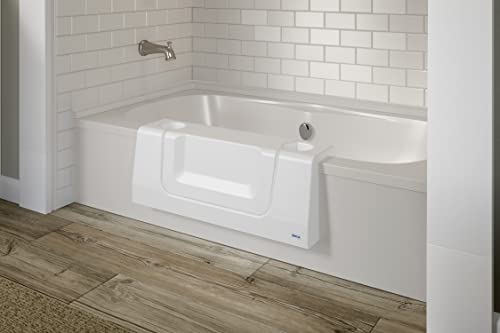


Before You Start
Prepare the area by removing all bath mats and items from the tub deck. Ventilate the bathroom to reduce chemical fumes, and wear gloves to protect skin. Time estimates vary by room size and buildup; expect 20–45 minutes for a routine cleaning and up to an hour for deep descaling. Important cautions: avoid abrasive pads on chrome or vinyl seals, and never mix cleaners unless the label permits it. Test any cleaner on a small, inconspicuous spot first to prevent dulling or etching.
Step-By-Step: How To Clean A Walk-In Tub
- Rinse the tub thoroughly with warm water to remove loose debris and soap residue.
- Apply a non-abrasive tub cleaner or the cleaning kit solution along the interior walls and the seat, focusing on soap scum zones and chrome fixtures.
- Let the cleaner sit for 5–10 minutes to break down mineral deposits, then re-wet the surfaces with water.
- Use the extendable tub cleaning brush curved head to scrub in circular motions, paying attention to corners, the door seal, and the drain area.
- For hard water buildup, spray the bathroom descaler on affected areas and allow it to bubble according to the product instructions.
- Rinse the tub thoroughly, ensuring all cleaner residues are removed from the door seal and hinges to prevent stiffness or damage.
- Dry surfaces with a microfiber cloth or towel to prevent water spots and mold growth in seams.
- Inspect seals and gaskets for wear. If you notice cracking or looseness, consider professional inspection to avoid leaks.
Troubleshooting
| Symptom | Likely Cause | Fix | Prevention |
|---|---|---|---|
| Soap scum persists after cleaning | Insufficient contact time or buildup | Reapply cleaner, let sit longer, scrub with curved head | Clean weekly to prevent heavy buildup |
| Streaks or water spots | Hard water minerals or residue | Use descaler and thorough rinse | Dry after use |
| Discolored grout or caulk | Mold or mildew development | Apply bathroom descaler or mildew remover following label | Ventilate, wipe dry after showers |
| Door won’t seal properly | Debris in track or warped seal | Clean track, inspect seal, replace if needed | Regular maintenance |
Common Mistakes
- Using abrasive pads or harsh chemicals that damage finishes or seals
- Neglecting to rinse completely, leaving residue on doors and seals
- Waiting too long to address mineral buildup, making cleaning harder
- Failing to dry the tub after cleaning, which can foster mold growth
Keeping a routine prevents costly repairs and keeps the tub looking and functioning well.
Tips For Best Results
- Schedule a monthly deep clean that includes descaling if your water is hard.
- Use an extendable brush to reach under the lip and along the door frame safely.
- Always rinse thoroughly and dry with a microfiber cloth to avoid water streaks and mineral deposits.
- Label cleaners to avoid mixing and follow all safety instructions on product packaging.
Call A Professional
Consider contacting a pro if you notice persistent leaks around seals, persistent staining after cleaning, or damage to the door mechanism. Stop using the tub if you detect a strong chemical smell, mold growth that cannot be removed with standard cleaners, or if the door fails to latch securely.
FAQ
How often should I clean a walk-in tub?
Wipe down and rinse after each use, with a deeper clean every 1–2 weeks depending on buildup and water hardness.
Can I use bleach in a walk-in tub?
Only if the manufacturer allows it; many kits warn against bleach on certain surfaces. Check product labels and test in a small area first.
What is the best tool for cleaning curved surfaces?
An extendable tub cleaning brush with a curved head helps reach corners and around the door seal effectively.
Is descaler safe for all tub materials?
Descalers are designed for tubs but always read the label to confirm compatibility with your tub’s finish before use.
Buying Guide
When selecting cleaning tools and products for a walk-in tub, consider size, materials, and water conditions. A dedicated walk-in tub cleaning kit provides a concentrated formula and compatible brushes, while an extendable tub cleaning brush curved head reaches difficult areas without bending or scrubbing hard. Hard water requires a reliable bathroom descaler for mineral deposits. Look for non-abrasive formulas to protect seals and finishes. Consider a kit that includes protective gloves and a microfiber cloth. Energy-friendly, compact designs and simple storage options help keep cleaning supplies organized. Finally, verify compatibility with your tub materials and the presence of clear usage instructions to avoid unintended damage.
Leave a Reply