How to Clean a Used Car: Refresh Its Interior Efficiently
Cleaning a used car requires a practical plan that tackles dirt, odors, and wear without expensive gear. This guide provides a clear, step-by-step approach to restoring the interior of a pre-owned vehicle using common tools and purpose-built cleaners. The goal is a refreshed cabin that feels cleaner and more inviting.
By following these steps, owners can remove grime, revive upholstery, and protect surfaces for long-term usability. The process emphasizes safe cleaning practices, appropriate products, and efficient workflows to fit typical schedules.
Quick Answer
Start with a quick wipe-down of all surfaces, then deep-clean high-traffic areas using a car interior detailing kit and a leather cleaner kit as needed. Finish with a freshener or conditioner to protect materials and combat odors.
What You’ll Need
- Car interior detailing kit microfiber towels brushes
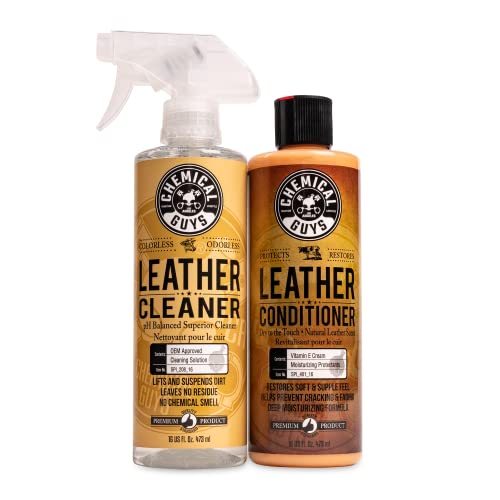
- Leather car seat cleaner kit with conditioner spray
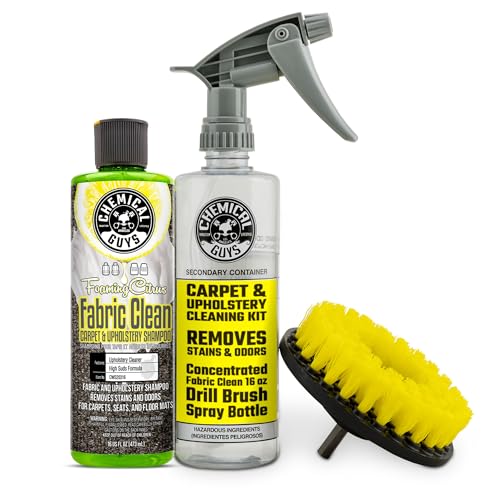
- Car upholstery stain remover kit

Before You Start
Prepare a clean, well-lit workspace and remove personal items from the cabin. Ventilate the car by opening doors or windows if possible. Test any cleaner on a hidden area first to avoid discoloration. Time estimate: 60–180 minutes depending on the vehicle and condition. Key cautions include avoiding excessive moisture on electrical components and never applying cleaners directly to screens or dashboards without manufacturer guidance.
Step-By-Step: How To Clean A Used Car Interior
- Empty the cabin and shake out floor mats; set them aside for separate cleaning.
- Vacuum the entire interior, including seats, carpets, and trunk, using attachments to reach seams and crevices.
- Dust all hard surfaces with a microfiber towel, moving in the direction of grain on wood or vinyl trim.
- Treat stains on upholstery with the car upholstery stain remover kit, applying as directed and blotting gently with a clean towel.
- Clean leather surfaces using the leather car seat cleaner kit with conditioner spray; wipe evenly and let it dry before use.
- Wipe interior glass from the inside to reduce streaks, using a microfiber towel for a crystal-clear finish.
- Deep-clean fabric seats or carpeting with the detailing kit’s brush tools to lift dirt embedded in fibers.
- Rinse or wipe down any area that feels sticky or oily, ensuring no residual cleaner remains on surfaces.
- Reinstall mats, arrange cables, and perform a final wipe-down of high-traffic zones for a uniform look.
- Add a light deodorizer or odor-neutralizing spray to freshen the cabin without overpowering scents.
- Inspect for missed spots and touch up as needed to complete a clean, refreshed interior.
Troubleshooting
| Symptom | Likely Cause | Fix | Prevention |
|---|---|---|---|
| Streaky windows | Residual cleaner or moisture | Buff with a dry microfiber to remove residue | Use a cleaner designed for glass; apply with a spray and wipe in a single motion |
| Fabrics still damp after cleaning | Too much moisture | Blot and air-dry; use fans or open doors | Apply cleaners lightly and evenly |
| Leather feels sticky | Over-application of conditioner | Wipe off excess and allow to dry | Follow product directions precisely |
| Persistent odors | Stored smells in upholstery | Use odor-neutralizing spray or enzyme cleaner | Keep cabin well-ventilated during and after cleaning |
Common Mistakes
- Over-wetting upholstery or carpets, which can lead to mold or odor.
- Using harsh cleaners on sensitive surfaces like wood trim or soft plastics.
- Neglecting the floor mats, which trap most dirt and grime.
- Rushing through the process and skipping drying time.
Tips For Best Results
- Work from the top down: ceiling, dashboard, then seats and floors to minimize re-soiling.
- Use separate towels for leather, fabric, and windows to avoid cross-contamination.
- Keep a small drying rack or space to air out mats while you clean other areas.
- Test any product on a hidden area first and follow the label directions closely.
- Consider a two-step approach for odor control: deodorize after cleaning and then seal with a light protective spray.
Call A Professional
Stop signs to consider a professional come into play if the interior has severe mold, persistent strong odors, or extensive staining that does not improve with home methods. If upholstery is torn or leather is heavily cracked, a pro can perform restoration techniques that preserve value and safety.
FAQ
How often should I clean a used car interior?
Perform a thorough interior clean every 1–3 months, with quick wipe-downs weekly to maintain cleanliness.
Can I clean leather seats with regular cleaners?
Leather should be cleaned with products formulated for leather to avoid drying or cracking.
Is it safe to use water on fabric upholstery?
Yes, in moderation; use a fabric-safe cleaner and ensure thorough drying to prevent mold.
How do I remove musty odors effectively?
Use a dedicated odor neutralizer and ensure proper ventilation during and after cleaning.
Should I remove the car mats before cleaning?
Yes, remove mats to clean both mats and floor areas thoroughly.
What if stains reappear after cleaning?
Repeat treatment or consider a higher-grade stain remover and re-seal surfaces after cleaning.
Is professional cleaning necessary for older cars?
Not always, but for severe staining or age-related wear, a pro can often deliver better long-term results.
Can I use household cleaning products in a used car?
Some household cleaners are safe; however, use products designed for automotive interiors to avoid damage.
Buying Guide
When choosing products to clean a used car, consider size and ease of use, noise levels during agitation, energy efficiency of any powered tools, control options on spray bottles or handheld devices, and where you’ll perform the cleaning (garage, driveway, or carport). For best results, look for a balanced set that includes a microfiber towel bundle, a leather cleaner with conditioner, and a fabric stain remover kit. Compare kits by compatibility with leather and fabric surfaces, drying times, and warranty coverage. If odor control is a priority, select products with neutral or mild scents and proven odor-eliminating formulas. For compact vehicles, a compact detailing kit may be ideal, while larger SUVs might benefit from a larger-capacity vacuum and additional brushes. Consider your budget, but prioritize products with clear instructions and demonstrated performance on similar materials. Would you prefer a single all-in-one kit or separate targeted cleaners for leather, fabric, and glass? This choice will influence how you approach maintenance and long-term usability of the vehicle’s interior.
Leave a Reply