How to Clean a Toddler Mattress Safely and Effectively
Maintaining a clean toddler mattress is essential for a healthy sleep environment. This guide walks through practical steps, safe products, and quick fixes to remove spills, stains, and odors while protecting the mattress materials.
With the right approach, parents can keep a toddler’s bed fresh between cleanings, reduce allergens, and extend the life of the mattress. The following sections provide a clear, step-by-step method tailored for American households.
Quick Answer
Best first steps: blot fresh stains, apply an enzyme-based spray for set-in stains, use a handheld steam cleaner for a gentle freshening, and finish with a thorough vacuum using an upholstery attachment. For tough smells, repeat with a light mist and plenty of ventilation.
What You’ll Need
- Handheld steam cleaner for mattresses
- Vacuum cleaner with upholstery attachment for mattresses
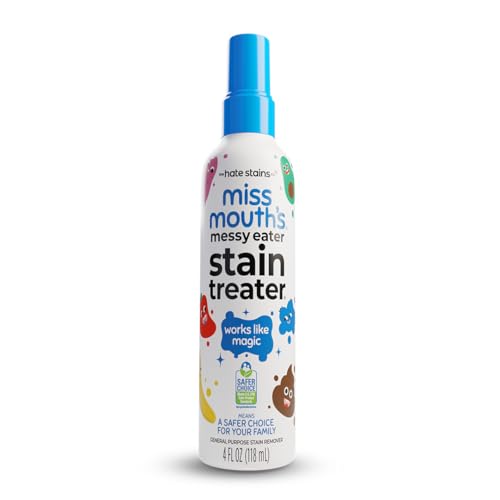
- Enzyme stain remover spray for baby toddler mattress


Before You Start
Before cleaning, remove all bedding and pillows. Check the mattress label for water exposure warnings and cleaning instructions. Use lukewarm water and avoid soaking the mattress, which can lead to mold growth. Time your cleaning for a dry, sunny day or a well-ventilated area to speed up drying. Never use harsh chemicals directly on a child’s sleeping surface, and keep detergents away from the child’s reach until the mattress is fully dry.
Step-By-Step: How To Clean A Toddler Mattress
- Remove bedding and vacuum the mattress surface with the upholstery attachment to pick up loose debris and dust.
- Blot fresh spills with a clean cloth or paper towels. Avoid rubbing, which can push stains deeper.
- Apply enzyme spray to treat organic stains (milk, urine, food). Let it sit per label instructions to break down stains effectively.
- Tackle odors with a light mist of enzyme spray and let it air out for several minutes.
- Steam lightly with a handheld steam cleaner across the surface in slow, even passes. Maintain a safe distance to prevent moisture buildup.
- Spot treat stubborn marks with a small amount of enzyme spray and blot again. For persistent areas, repeat the step with caution.
- Dry the mattress by placing it in a sunny area or using fans. Ensure the surface is completely dry before making the bed.
- Final vacuum with the upholstery attachment to lift any remaining residues and refresh the fibers.
- Replace protective covers and ensure the mattress is dry before putting sheets back on.
- Inspect for repeating issues—if odors or stains persist, consider a repeat treatment or consult product care instructions.
- Establish a routine—regular quick cleanups help maintain cleanliness between deeper sessions.
- Store cleaning tools in a reachable spot for quick future refreshes.
Troubleshooting
| Symptom | Likely Cause | Fix | Prevention |
|---|---|---|---|
| Persistent urine odor | Mixture not fully neutralized | Repeat enzyme treatment and increase ventilation | Use a protective mattress cover |
| Stubborn stains after steam | Stains set into fibers | Spot treat with enzyme spray and re-clean | Address spills immediately |
| Moisture lingering | Over-wetting during cleaning | Allow ample drying time; use fans | Use minimal water and test moisture before bed placement |
| Top layer feels rough | Overly aggressive cleaning | Switch to gentler passes and shorter sessions | Avoid harsh chemicals |
Common Mistakes
- Over-wetting the mattress, which can lead to mold
- Using abrasive brushes that fray fibers
- Applying cleaners directly without blotting or testing on a small area
- Neglecting drying time before replacing sheets
Avoid these missteps to keep the mattress comfortable and safe for a toddler’s sleep.
Tips For Best Results
- Test any cleaner on a small, inconspicuous area first to ensure compatibility.
- Schedule routine cleanups every 1–3 months, or sooner with a spill-heavy toddler.
- Use a breathable, waterproof mattress protector to simplify maintenance.
- Ventilate rooms during and after cleaning to speed up drying and reduce dampness.
- Coordinate with bedtime routines to minimize disruption for a quick cleanup window.
Call A Professional
Consider professional cleaning if: significant mold appears, the mattress exhibits persistent odors after multiple cleans, or stains are deeply set beyond home methods. If a child has allergies or asthma symptoms linked to the mattress, seek expert advice promptly.
FAQ
Can I use a regular steam cleaner on a toddler mattress?
Yes, a handheld steam cleaner designed for mattresses is suitable when used with caution to avoid over-wetting.
What should I do immediately after a spill?
Blot with a clean cloth, then apply enzyme spray as needed, and begin drying with ventilation as soon as possible.
Are enzyme sprays safe for babies and toddlers?
Choose formulations labeled for baby or toddler use and follow the product directions carefully.
How often should I clean a toddler mattress?
The recommended cadence is every 1–3 months, or after any major spills or accidents.
Buying Guide
When selecting cleaning tools and products for a toddler mattress, consider several factors to balance safety, effectiveness, and ease of use.
Size and compatibility: Ensure tools and sprays are appropriate for the mattress size and fabric. A compact handheld steamer should reach all areas without excessive moisture.
Noise level: Choose devices with moderate noise to avoid startling a sleeping child. Look for models marketed as quiet or low-decibel.
Energy efficiency: Opt for energy-efficient steamers and vacuums to reduce power use during routine cleanups.
Controls and ease of use: Simple controls, clear instructions, and quick-start modes save time and reduce user error.
Placement and ventilation: Plan to clean in a ventilated area; avoid placing the mattress in damp or poorly lit spaces during drying.
Protection accessories: Use a washable, waterproof mattress protector to simplify future maintenance and prolong mattress life.
For families with multiple cleaning needs, compare models that pair well with enzyme cleaners and upholstery-ready vacuums. Think about how often you’ll clean, the typical mess types, and your preferred drying time to choose the best setup for your home. Would you benefit from a bundled kit that includes a handheld steam cleaner and an upholstery vacuum for mattresses?
Leave a Reply