How to Clean a Throw Pillow Without Removable Cover: Easy Steps
Throw pillows with non-removable covers can collect dust, sweat, and stains over time. This guide provides practical methods using common household tools to refresh and clean fabric throw pillows safely.
Quick Answer
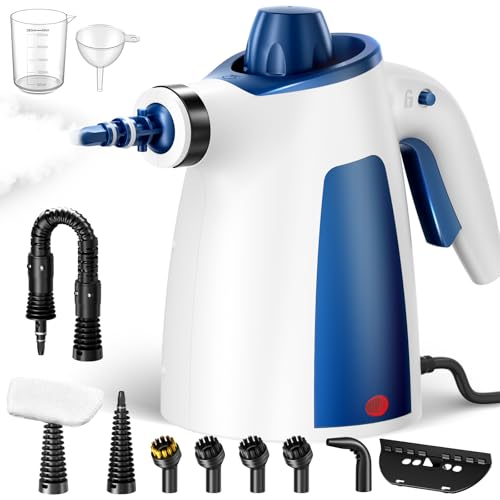
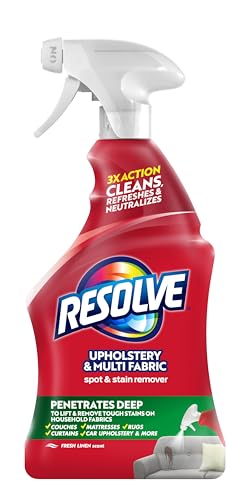
For pillows with non-removable covers, start with light surface cleaning using a handheld upholstery steamer cleaner for throw pillows to lift dirt. Follow with a portable fabric upholstery cleaner for cushions with non-removable covers for deeper cleaning, and spot-treat stains with a fabric stain remover spray for upholstery and pillows. Always air dry completely before reuse.
What You’ll Need
- Handheld upholstery steamer cleaner for throw pillows
- Portable fabric upholstery cleaner for cushions with non-removable covers
- Fabric stain remover spray for upholstery and pillows
- Clean microfiber cloths or towels
- Soft brush or lint roller

Before You Start
Test any cleaning method on a small inconspicuous area to ensure colorfastness. Check pillow care labels, if present. Protect surrounding surfaces with a drop cloth or old towels. Avoid soaking the pillow; excess moisture can lead to mold or odors. Allow extra drying time in a well-ventilated area, away from direct sunlight to prevent fading. Estimate cleaning time: 20–60 minutes depending on size and soiling.
Step-By-Step: How To Clean A Throw Pillow Without Removable Cover
- Remove loose debris by brushing the pillow with a soft brush or lint roller to lift dust and pet hair.
- Use the handheld upholstery steamer cleaner on a low to medium setting to lightly mist and release surface dirt from the fabric surface.
- Wipe the fabric with a clean microfiber cloth to absorb loosened dirt, turning the cloth as it becomes soiled.
- For stains, apply a small amount of fabric stain remover spray for upholstery and pillows directly to the affected area and let it sit per product instructions.
- Gently blot the treated area with a clean cloth; avoid scrubbing which can embed stain particles deeper into the fabric.
- If the cleaner suggests it, use the portable fabric upholstery cleaner for cushions with non-removable covers to extract moisture and lift embedded dirt in a controlled pass motion.
- Rinse treated spots with a damp cloth to remove any cleaner residue, then blot dry with a dry microfiber cloth.
- Allow the pillow to air-dry completely in a well-ventilated area before placing back on furniture.
Troubleshooting
| Symptom | Likely Cause | Fix | Prevention |
|---|---|---|---|
| Stubborn stain remains after cleaning | Stain set-in or fabric type is tough | Reapply stain remover and repeat gentler cleaning; consider professional cleaning for delicate fabrics | Address stains promptly; avoid letting spills set |
| Fabric looks dull after cleaning | Over-wetting or residue from cleaners | Blot thoroughly and wipe with clean water to remove residue | Use minimal moisture and test cleaners first |
| Odor persists | Moisture trapped inside filling | Air-dry fully; consider using a light baking soda deodorizing treatment after drying | Ensure complete drying before use |
| Fabric shrinking or color fading | Excess heat or aggressive cleaning | Switch to lower heat/steam setting and shorter cleaning passes | Follow care labels and test in a hidden area |
Common Mistakes
- Ignoring the pillow’s filling and cleaning with excess moisture
- Scrubbing or rubbing stains aggressively
- Using harsh chemicals on delicate fabrics
- Skipping a patch test before full cleaning
Tips For Best Results
- Work in a well-ventilated space to speed up drying
- Keep cleaning sessions brief and gradual to avoid soaking the pillow
- Use clean, dry cloths for blotting to prevent redepositing dirt
- Consider a fabric protector spray after cleaning if compatible with the material
Call A Professional
Seek professional cleaning if the pillow has delicate fabrics, dye transfer risks, or persistent stains that do not respond to home methods. Stop cleaning and consult a pro if you notice colors bleeding, shrinking, or if mold-like odors develop, which indicate deeper moisture issues.
FAQ
Can I use a regular steam iron to clean a throw pillow?
No. A steam iron applies heat and pressure that can damage fabric and filling. Use a handheld upholstery steamer designed for fabrics and follow safety instructions.
Is it safe to machine wash non-removable pillows?
Most non-removable covers mean the pillow itself should not be machine washed. Check care labels and opt for spot cleaning or professional cleaning when in doubt.
How long does it take for a cleaned pillow to dry?
Drying time varies by fabric and filling but generally ranges from a few hours to overnight in a warm, ventilated space.
Can cleaning affect pillow color?
Yes, improper cleaning can cause fading or color transfer. Always test a hidden area first and use gentle, fabric-safe products.
What cleaning products are best for velvet or microfiber pillow fabrics?
Use products labeled safe for velvet or microfiber and apply them sparingly with a soft cloth to avoid saturation.
Buying Guide
When choosing cleaning methods and tools for pillows with non-removable covers, consider the following factors:
- Size of the pillow and reach of the cleaner; larger pillows may require extended passes or multiple sessions
- Noise level and portability of the cleaning tools for comfortable use in living spaces
- Energy efficiency of battery-powered devices; look for models with efficient operation and quick recharge
- Controls simplicity, such as adjustable steam or extraction settings
- Placement in a well-ventilated area; avoid direct sunlight to prevent fading
Multiple perspectives help: consider how often you clean, the pillow’s fabric type, and whether you prefer quick spot-clean approaches or deeper refreshing sessions. With the right tools, non-removable covers can look nearly new without the need for cover replacement.
Leave a Reply