How to Clean a Stinky Cooler
A damp, lingering odor in a cooler can ruin ice-cold beverages and packed lunches. With a few practical steps and the right tools, a stinky cooler can be refreshed quickly and kept fresh for future trips.
This guide walks American users through a simple, repeatable process to remove odors, clean the interior thoroughly, and maintain a clean cooler for months of use.
Quick Answer
Rinse, scrub, deodorize, and dry the cooler completely. Use a long-handled interior cleaning brush to reach corners, microfiber cloths for delicate surfaces, and an odor eliminator spray to neutralize odor molecules. Repeat as needed and store with the lid ajar to promote airflow.
What You’ll Need
- Long-handled interior cleaning brush for cooler
- Microfiber cleaning cloths for cooler interior
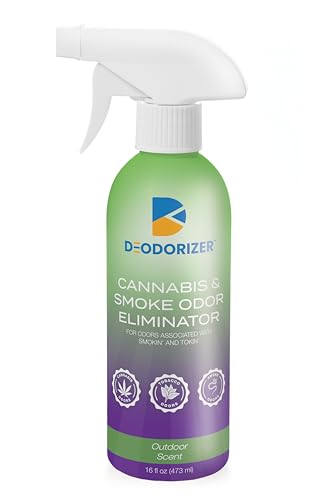
- Odor eliminator spray for coolers 16 oz
- Warm water and mild dish soap
- Baking soda or white vinegar (optional for extra deodorizing)
- Dry towels or air-drying space


Before You Start
Empty the cooler completely and remove any ice packs or salvaged food remains. Rinse loose debris with warm water. Avoid using harsh abrasive cleaners that could damage the lining. Have a shaded, ventilated area for cleaning to prevent lingering chemical smells. Time estimate: 15–30 minutes per clean, plus drying time.
If the odor is strong and persistent, consider repeating the cleaning steps or performing a more thorough deodorizing cycle using baking soda or vinegar between cleanings.
Step-By-Step: How To Clean A Stinky Cooler
- Empty the cooler and remove all accessories; rinse the interior with warm water to loosen grime.
- Mix a gentle cleaning solution with warm water and a small amount of mild dish soap.
- Use the long-handled interior cleaning brush for cooler to scrub corners, seams, and tight spots where odors hide.
- Rinse the interior thoroughly with clean water to remove soap residue.
- Spray the interior with the odor eliminator spray for coolers 16 oz, focusing on seams and flat surfaces.
- Wipe the interior dry with microfiber cleaning cloths for cooler interior; ensure all moisture is removed from walls and corners.
- For stubborn odors, sprinkle baking soda across the base, leave for 15–20 minutes, then wipe away with a microfiber cloth.
- Rinse once more if baking soda is used, then wipe dry completely; leave the lid open or ajar to air-dry fully.
- Store the cooler with the lid slightly open or place a dry towel inside to maintain airflow during storage.
- Optionally, wipe down exterior surfaces with a damp microfiber cloth to remove fingerprints or residue.
- After drying, reassemble and prepare for next use with a fresh batch of ice or cold packs.
Troubleshooting
| Symptom | Likely Cause | Fix | Prevention |
|---|---|---|---|
| Persistent odor after cleaning | Insufficient drying or deep-set odor | Repeat cleaning; use baking soda treatment; ensure complete drying | Dry thoroughly; store with lid ajar |
| Musty smell when opening | Moisture trapped in seals | Wipe seals and corners; dry before closing | Air out after each use; wipe seals dry |
| Soap residue scent | Soap left behind | Rinse interior fully; wipe dry | Use minimal soap and thorough rinse |
| Interior discoloration | Food residue or mineral buildup | Gentle brush scrubbing; baking soda paste if needed | Prompt cleaning after each trip |
Common Mistakes
- Using harsh cleaners that damage the cooler lining
- Forgetting to dry the interior completely, which promotes mold
- Omitting the lid or seals during cleaning, leaving odor reservoirs
- Relying on a single deodorizer spray without cleaning the interior first
Tips For Best Results
- Always pre-clean with warm water to loosen gunk before scrubbing
- Use the long-handled brush to reach corners and drains where grime hides
- Alternate deodorizing methods: odor eliminator spray, baking soda, and vinegar for versatility
- Keep microfiber cloths dedicated to cooler interiors to avoid cross-contamination
- When storing, leave the lid slightly ajar for ventilation
Call A Professional
Call a professional if odors persist after multiple cleaning cycles, if the cooler shows visible mold growth, or if the lining shows cracks or peeling. Seek immediate help for any signs of structural damage that could compromise insulation or food safety.
FAQ
Is it safe to use vinegar in a cooler?
Yes, a diluted vinegar solution can help deodorize, but rinse thoroughly to avoid lingering vinegar smell.
How often should I clean my cooler to prevent odor?
Clean after heavy use or whenever odors become noticeable; a quick wipe-down between trips helps
Can I use bleach in a cooler?
Bleach is not recommended for interior linings as it can degrade materials; use milder cleaners and odor eliminators
What’s the best way to dry a cooler quickly?
Use towels to soak up moisture, then leave the lid open in a well-ventilated area or air-dry outdoors if weather allows
Buying Guide
When choosing a cooler cleaning kit or accessories, consider size, material compatibility, and ease of use. Look for a long-handled interior cleaning brush for cooler to reach tight spots, microfiber cleaning cloths for cooler interior that won’t scratch surfaces, and an odor eliminator spray for coolers 16 oz that is safe for food-contact surfaces. The combination of tools should accommodate different cooler sizes and interior finishes.
Key buying factors include size and capacity, noise level of any spray applicators, energy efficiency is less relevant here but insulation quality affects odor retention indirectly, and how the tools fit with your typical cleaning routine. For placement, plan a dry, ventilated area in the home or garage to minimize smells during cleaning. Would you benefit from a compact kit for car trips or a larger setup for camping gear? A modular approach can adapt to various cooler models while keeping odor control simple and effective.
Leave a Reply