How to Clean a Spill on a Couch
spills on a couch can happen to anyone, but quick, measured action helps protect fabric and extend the life of the upholstery. This guide walks through practical steps using common cleaning tools, clear safety notes, and best practices for different fabric types.
Quick Answer
Act fast to blot the spill without rubbing, use a fabric-safe cleaner or steam cleaner if needed, and test cleaners in an inconspicuous area before full application. For stubborn stains, repeat steps and consider a specialized upholstery cleaner.
What You’ll Need
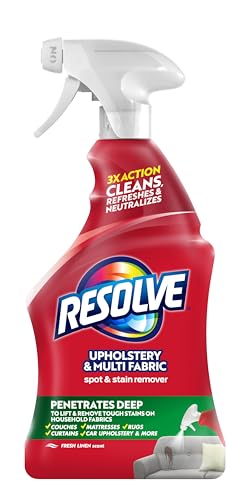
- fabric sofa stain remover spray upholstery cleaner
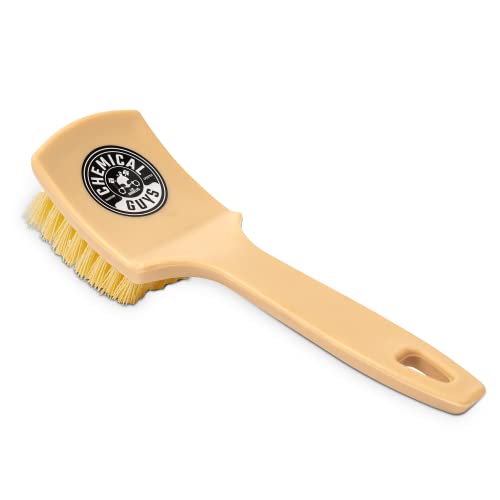
- upholstery cleaning kit for sofa fabric with brushes microfiber cloths
- steam cleaner for upholstery couch fabric

Before You Start
Assess fabric type using the care tag (the symbols or letters on the couch), as well as the stain type. Always test any cleaner on a hidden area first and wait 24 hours to ensure no discoloration. Prepare the area by removing cushions and placing a towel or drop cloth to catch runoff. Work slowly in small sections to avoid over-wetting. Do not saturate the fabric; excessive moisture can lead to mold or odors.
Step-By-Step: How To Clean A Spill On A Couch
- Blot the spill gently with a clean microfiber cloth to lift as much liquid as possible, never rubbing the stain deeper into the fabric.
- Check the care label and select an appropriate cleaner; for most fabrics, a fabric sofa stain remover spray upholstery cleaner is suitable.
- Apply cleaner to a cloth or directly to the stained area in a light, even layer; avoid oversaturation.
- Gently blot or dab with a clean cloth, working from the outside of the stain toward the center to prevent spreading.
- For embedded stains, use the upholstery cleaning kit for sofa fabric with brushes microfiber cloths to scrub softly in a circular motion.
- If the stain persists, cautiously use a steam cleaner for upholstery couch fabric to lift residues; follow device instructions and avoid excessive moisture.
- Let the fabric air-dry completely; speed up drying with fans or a dehumidifier placed nearby.
- Once dry, brush the fabric lightly with a clean brush to restore nap and texture.
- Reassess the area for shine or residue; repeat steps if needed, always testing a new application in a hidden spot first.
- Replace cushions and resume normal use only after the area is fully dry to avoid trapping odors or mildew.
- If color change or odor remains after multiple attempts, consider professional cleaning options.
Troubleshooting
| Symptom | Likely Cause | Fix | Prevention |
|---|---|---|---|
| Stain reappears after drying | Underdried fabric or trapped moisture | Repeat cleaning and ensure complete drying | Increase ventilation during drying |
| Color fading or dark spots | Harsh cleaner or over-wetting | Test cleaner in hidden area; dilute cleaner if needed | Use manufacturer-approved products |
| Stubborn oil-based stain | Fatty residue | Apply a degreasing cleaner before spot cleaning | Address spills promptly to prevent set-in stains |
| Fabric stiffness after cleaning | Excess moisture or residue | Rinse with clean water and extract thoroughly | Use minimal cleaner and ensure thorough drying |
Common Mistakes
- Rubbing or scrubbing aggressively, which spreads stain and harms fibers.
- Using too much cleaner or saturating the fabric, leading to mildew.
- Skipping a patch test, risking color loss or fabric damage.
- Ignoring drying time, which can trap odors.
Following careful blotting, using the right tools, and allowing full drying are key to a clean, fresh couch.
Tips For Best Results
- Act quickly when spills occur; faster response improves outcomes.
- Always test cleaners on a hidden area before treating visible areas.
- Use light, even strokes rather than circular scrubbing to protect fibers.
- Combine products only as directed by the manufacturer’s instructions.
- Keep a routine cleaning schedule for frequently used fabrics to prevent buildup.
Call A Professional
Consider a pro if stains are ancient, dark, or water-sensitive fabrics show dye transfer. Stop and call a professional if:
- The care label restricts water-based cleaning or you see color bleed.
- You notice persistent odors, mold, or swelling in cushions.
- Large spills or multiple cushions are affected, or the fabric is delicate or antique.
FAQ
Can I use dish soap to clean a couch spill?
Dish soap can be used for mild grease but should be diluted and tested first; it’s generally safer to use a cleaner designed for upholstery.
Is steam cleaning safe for all fabrics?
Steam cleaning is effective on many fabrics, but test first on a hidden area and follow the steam cleaner’s instructions to avoid over-wetting or fiber damage.
How do I dry a couch quickly after cleaning?
Use fans, open windows, or a dehumidifier to accelerate drying; avoid sitting on the area until fully dry.
What if the stain returns after drying?
Repeat cleaning steps and confirm complete drying; if it persists, a professional cleaning may be necessary.
Should I use a fabric protector after cleaning?
Fabric protectors can help resist future stains but follow manufacturer guidance and ensure the product is compatible with your fabric.
Buying Guide
When selecting cleaning tools for spills on a couch, consider size, noise, efficiency, and compatibility with upholstery fabrics. A compact steam cleaner can be effective for quick refreshes on couch fabric and may reach tight seams. For ongoing maintenance, an upholstery cleaning kit with brushes and microfiber cloths provides flexibility for spot cleaning and gentle agitation without damaging fibers. A fabric-safe stain remover spray offers convenient spot treatment for various spills.
Key buying factors include:
- <bSize and portability: Choose a compact unit for easy handling and storage, especially for sectional or large couches.
- <bNoise level: Quieter devices reduce disruption in living spaces, especially in homes with children or pets.
- <bEnergy efficiency: Look for energy-efficient cleaners and heat-pump steamers if available; use only as needed to minimize electricity use.
- <bControls and ease of use: Clear settings, simple nozzle attachments, and easy refilling help prevent mistakes during cleaning.
- <bPlacement considerations: Store cleaning tools in a dry area away from direct sunlight and heat sources to preserve materials.
Various scenarios may require different tools, so a combination approach—brush-enabled upholstery kit, fabric stain remover, and a steam cleaner—often yields the best results. This multi-tool strategy supports effective treatment of both fresh and set-in stains while preserving fabric integrity.
Leave a Reply