How to Clean a Smelly Dishwasher Effectively
Dishwashers can develop unpleasant odors from trapped food particles, grease, and mineral buildup. Regular cleaning helps restore freshness, improve performance, and extend the appliance’s life. This guide provides a practical, step-by-step approach using common household products including descaler powders and odor-removing tablets.
Following a simple routine can prevent smells from returning. The tips below focus on safe handling, effective cleaning, and practical maintenance that fits typical American kitchen workflows.
Quick Answer
Key steps at a glance: empty the dishwasher, remove debris from the filter, scrub seals and interior with a long-handle brush, run a hot cycle with descaler powder or odor-removing tablets, and finish with a sanitized rinse. Repeat every 1–3 months or when odors reappear.
What You’ll Need
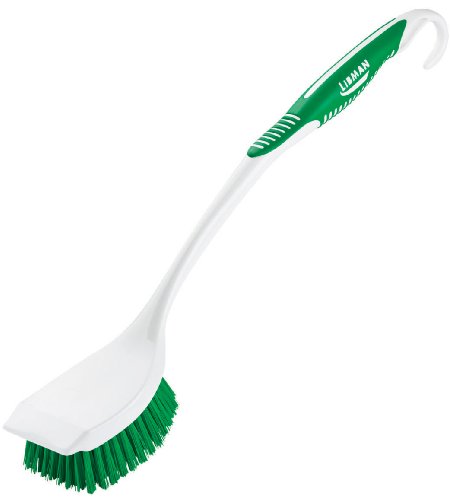
- Dishwasher cleaning brush with long handle
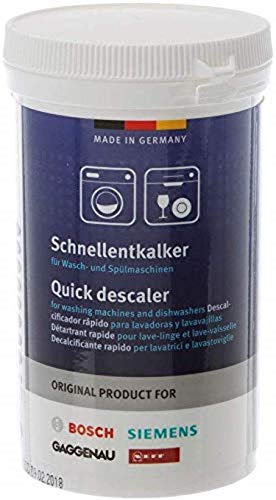
- Dishwasher descaler powder
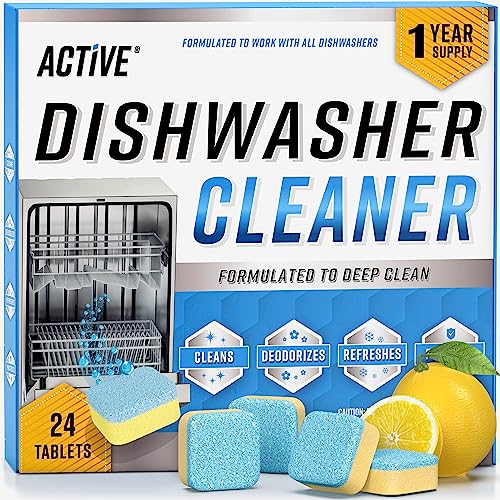
- Dishwasher odor removing tablets
Before You Start
Before beginning, unplug the dishwasher or switch off its power at the breaker. Remove the bottom rack and inspect the interior for food debris stuck in the filter or sump. Take care when handling any cleaning agents, especially powders, as they can irritate skin and eyes. Ensure the area around the appliance is dry and free of clutter to prevent slips. Time estimate: 45–90 minutes, depending on model and buildup.
Step-By-Step: How To Clean A Smelly Dishwasher
- Remove all racks and pull out the bottom spray arm to access the interior more easily.
- Take out the filter assembly and rinse under warm water to remove trapped debris.
- Use the dishwasher cleaning brush with long handle to scrub the interior walls, door edges, and gasket thoroughly.
- Reinstall the filter and spray arm, then run a hot empty cycle with no detergent to flush loose residues.
- Pour a descaler powder into the detergent dispenser or directly into the tub, then run another hot cycle.
- If recommended by the product, place a dishwasher odor removing tablet in the bottom or detergent compartment and run a dedicated cycle.
- Turn off the machine and wipe down seals with a damp cloth to remove any remaining buildup.
- Allow the dishwasher to air-dry with the door open for a few minutes after the cycle finishes.
- Repeat monthly or when odors return, alternating between descaler and odor-removing tablets for ongoing freshness.
- Inspect and clean the drain hose area if smells persist, ensuring there are no clogs or trapped water.
Troubleshooting
| Symptom | Likely Cause | Fix | Prevention |
|---|---|---|---|
| Persistent musty odor after cleaning | Residual mold in door seals or gasket | Wipe gasket with a mild bleach solution or vinegar-based cleaner; rinse well | Weekly wipe-down of seals; keep door slightly ajar after cycles |
| Food particles on dishes after cycle | Clogged filter or spray arm | Clean filter and spray arm; verify correct installation | Regularly inspect components and remove debris |
| Water not draining | Drain hose kink or blockage | Check hose path and remove blockages | Inspect hose monthly and after heavy use |
| Unusual vinegar smell during cycle | Overuse of acidic cleaners | Switch to descaler powder as directed; rinse cycle | Follow product instructions and avoid mixing cleaners |
Common Mistakes
- Using too much cleaner or descaler, which can leave residues
- Neglecting the door seal and gasket, where mold tends to grow
- Running cycles with dirty filters still in place
- Ignoring drainage components, leading to odor and performance issues
Tips For Best Results
- Run hot cycles regularly—high heat improves grease breakdown and drying.
- Alternate between descaler powder and odor-removing tablets to target mineral buildup and odors alike.
- Keep detergents and cleaners away from the interior unless the product instructions specify safe use inside.
- Perform a quick wipe-down of seals after each use to prevent mold growth.
- Check water hardness in your area; harder water accelerates mineral buildup and may require more frequent cleaning.
Call A Professional
If odors persist after repeated cleaning, or if the dishwasher fails to drain, emit unusual noises, or leak water, contact a qualified appliance technician. Signs to seek professional help include persistent mold despite cleaning, electrical smells, or visible damage to seals and hoses. A professional can inspect internal components, check for hidden clogs, and ensure safe operation.
FAQ
How often should I clean my dishwasher?
Most households benefit from a deep clean every 1–3 months, depending on usage and water quality.
Can I use vinegar to deodorize my dishwasher?
Vinegar can help with odors, but it’s best used sparingly and not as the sole cleaner for mineral buildup. Follow product guidelines to avoid damage.
Is it safe to run a dishwasher cleaning cycle with dishes inside?
No. Cleaning cycles are designed to run with an empty tub to avoid contaminants and to maximize cleaning effectiveness.
What’s the best way to prevent odors long-term?
Regularly clean the filter and seals, run hot cycles periodically, and use odor-removing tablets or descalers as part of routine maintenance.
Should I use the dishwasher’s self-cleaning option?
If available, use the self-cleaning option according to the manufacturer’s instructions, and supplement with manual cleaning for thorough results.
Buying Guide
Choosing the right products helps maintain a fresh, odor-free dishwasher. Consider size, compatibility with your machine, and the type of cleaning agents you prefer. Size and capacity: ensure cleaning tools reach hard-to-clean areas on your model. Noise level isn’t typically affected by cleaners, but selecting quiet operation when possible improves convenience during cleaning cycles. Energy efficiency remains tied to the dishwasher’s overall design, but you can support efficiency by following cleaning recommendations and avoiding extra cycles. Controls: for tablets, powders, or specialized descalers, ensure compatibility with your detergent drawer and cycle settings. Placement: store items in a dry location away from moisture to prevent clumping or reduced effectiveness. When comparing products, look for concentrated formulas, clear usage instructions, and compatible packaging for easy dispensing.
For practical maintenance, a dishwasher cleaning brush with long handle helps reach tight spaces, while dishwasher descaler powder and dishwasher odor removing tablets tackle mineral buildup and odors. When in doubt, start with the simplest solution and monitor results over a few cycles. If odors persist, consider a professional assessment to rule out plumbing or mechanical issues.
Leave a Reply