How to Clean a Rocking Chair
Rocking chairs add charm and comfort to any living space, but their wood frames and upholstered seats require careful cleaning to preserve finish and fabric. This guide provides a practical, step-by-step approach using common cleaning products and tools designed for American households.
Whether the chair is a polished wood rocker or a fabric-upholstered beauty, the right cleaning routine can restore its look without damaging the surface. The methods below focus on safe, moisture-controlled cleaning and effective stain removal for wood and upholstery alike.
Quick Answer
Quick method: Start with dry dusting, then wipe wood surfaces with a wood furniture cleaner spray, and finish by using microfiber cleaning cloths for any stubborn spots. For fabric upholstery, use a furniture upholstery cleaner spray stain remover, testing on an inconspicuous area first.
What You’ll Need
- Wood furniture cleaner spray for rocking chairs
- Microfiber cleaning cloths for wood furniture
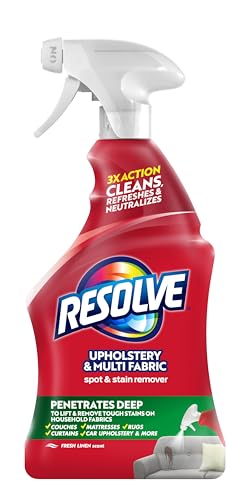
- Furniture upholstery cleaner spray stain remover for chairs


Before You Start
Clear the chair and surrounding area of obstacles. Vacuum or brush off loose dust from both wood and upholstery. Test all cleaners on a hidden spot to ensure no discoloration. Protect surrounding floors with a cloth or tarp. Allow adequate ventilation when using spray products. Estimated time: 20–40 minutes for first pass; longer for stubborn stains.
Step-By-Step: How To Clean A Rocking Chair
- Remove cushions or removable upholstery pieces to access the frame and springs.
- Dust the entire chair with a microfiber cloth to lift surface dirt without scratching the finish.
- Spray a light mist of wood furniture cleaner spray onto a microfiber cloth, not directly onto wood, and wipe along the grain.
- For stubborn marks on wood, apply a second pass with a slightly damp cloth and gentle pressure; avoid saturating the wood.
- Gently clean decorative crevices, joints, and armrests with a soft-bristled brush or cotton swab where dust collects.
- For upholstery, spray a small amount of furniture upholstery cleaner spray stain remover on a clean cloth and blot the fabric, working from the outside toward the center of the stain.
- Rinse and blot any residual cleaner with a dry microfiber cloth to prevent water rings on wood or fabric spotting.
- Allow upholstery and wood to air-dry completely before reassembling cushions and using the chair.
- Reattach cushions and inspect the chair for any missed spots; repeat cleaning if necessary in high-traffic areas.
- Finish with a light final wipe of wood surfaces to restore sheen and remove any smudges from handling.
- Store cleaners in a cool, dry place away from direct sunlight to maintain their effectiveness.
Troubleshooting
| Symptom | Likely Cause | Fix | Prevention |
|---|---|---|---|
| Stains reappearing after cleaning | Leftover residue or improper blotting | Re-clean with a fresh cloth, blot until dry | Test spot first; use light touch |
| Wood feels sticky after cleaning | Excess cleaner left on surface | Wipe with a clean, dry cloth to remove | Use minimal product and wipe promptly |
| Fabric fading or water rings | Over-wetting fabric or strong cleaners | Use damp cloth only; avoid saturating | Spot-test and work in small areas |
| Wood finish dulls after cleaning | Harsh cleaner or excessive rubbing | Switch to a milder cleaner and gentle strokes | Follow grain direction and use microfiber cloth |
Common Mistakes
- Over-wetting wood, which can cause swelling or water damage
- Using abrasive cloths that scratch the finish
- Skipping a test patch on upholstery or wood
- Applying cleaner directly onto fabric or wood without a cloth buffer
Tips For Best Results
- Dust regularly to prevent buildup that requires heavier cleaning
- Clean in the direction of wood grain to avoid scratches
- Work in a well-ventilated area when using spray products
- Use separate microfiber cloths for wood and fabric to prevent cross-contamination
- Allow ample drying time before reusing or reassembling cushions
Call A Professional
Consider contacting a pro if the chair has extensive water damage, deep structural stains, or fabric tears beyond home cleaning capabilities. Seek expert help for antique finishes, veneered surfaces, or chairs with intricate inlays that require special care.
FAQ
Is it safe to use furniture cleaners on all wood finishes?
Most wood cleaners are safe for common finishes, but always test a small hidden area first.
Can I use a steam cleaner on a rocking chair?
Steam is generally not recommended for wood and certain fabrics; it can cause warping or color bleed.
How often should I clean a rocking chair?
Dust weekly and perform a light clean every 1–3 months; deep cleaning every 6–12 months depending on use.
What should I do if upholstery has a stubborn stain?
Blot with a cleaner designed for fabric, test first, and consider a professional stain remover treatment if needed.
Buying Guide
When choosing products for cleaning a rocking chair, consider factors such as the finish type, fabric material, and stain resistance. Look for wood furniture cleaner sprays that are compatible with your chair’s finish and safe for periodic use. Microfiber cleaning cloths should be lint-free and adequately absorbent, ideal for delicate wood surfaces. For chairs with fabric upholstery, opt for a dedicated furniture upholstery cleaner spray stain remover that is safe on common upholstery fabrics in home use. Evaluate product instructions for best results and ensure they come from reputable brands.
Buying Guide: Key Factors To Consider
- Size and compatibility: Ensure cleaners are suitable for the chair’s surface area and finish.
- Noise level: Not a major factor for cleaning, but consider quiet spray products for shared spaces.
- Energy efficiency: Irrelevant to cleaning—focus on product safety and effectiveness.
- Controls and ease of use: Sprayer design and cloth texture impact cleaning efficiency.
- Placement and storage: Store cleaners away from children and pets; keep sprays upright.
Are you ready to refresh your rocking chair? With the right combination of cleaners, microfiber cloths, and careful technique, you can restore beauty and comfort without damaging delicate finishes or fabrics.
Leave a Reply