How to Clean a Propane Grill
Keeping a propane grill clean improves cooking performance, extends the life of grates, and prevents flare-ups. This guide presents a practical, step-by-step approach using common grilling tools and safe cleaners. Follow the sequence to restore shine and efficiency without harsh guesswork.
Quick Answer
Disconnect the propane supply, remove grates and heat plates, scrub with a grill brush, rinse with water, degrease stubborn spots, and reassemble. Regular maintenance reduces buildup and keeps your grill safe and ready for the next cookout.
What You’ll Need
- 18 inch stainless steel grill brush with scraper for propane grills
- propane grill cleaning kit grill brush scraper and degreaser
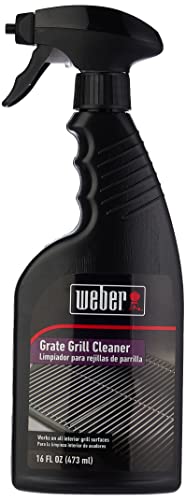
- heavy duty grill cleaner spray degreaser for stainless steel propane grills


Before You Start
Ensure the grill is completely cooled before cleaning. Disconnect the propane tank and turn off any burners. Protect outdoor surfaces with a drop cloth or old sheet. Time estimate: 20–40 minutes for a standard grill; longer if heavy buildup is present. Important safety cautions: never spray cleaners directly on hot surfaces, and avoid using abrasive tools on enamel coatings which can scratch.
Step-By-Step: How To Clean A Propane Grill
- Disconnect the propane tank and turn off all burners; remove the tank from the grill area to stay safe during cleaning.
- Remove grates and heat tents or lava rocks if present; set aside for thorough scrubbing.
- Brush the grates with a 18 inch stainless steel grill brush with scraper for propane grills to lift loose debris.
- Wipe interior surfaces with a damp cloth to remove surface grime; use a grill cleaner spray degreaser for stubborn spots on stainless steel surfaces.
- Apply degreaser to the burners housing and interior walls; let it sit for a few minutes to break down grease.
- Scrub interior panels with a non-abrasive pad or brush, then rinse with water and dry completely before reassembling.
- Inspect burner ports and clean them gently with a toothpick or soft brush to clear obstructions; avoid bending burner tubes.
- Reinstall heat tents, grates, and any flavorizer bars; reconnect the propane tank and test for even flame after ignition.
Troubleshooting
| Symptom | Likely Cause | Fix | Prevention |
|---|---|---|---|
| Grill won’t ignite | Propane supply issues or clogged burners | Check tank level, reconnect hoses, and clean burners | Regularly inspect fittings |
| Uneven flame | Blocked burner ports | Carefully clear ports with a tool; avoid bending | Clean after use to prevent buildup |
| Sooty, dark smoke | Grease buildup on burners or heat plates | Grease with degreaser, rinse, and reheat | Cook with stable heat, wipe after grilling |
| Rust on grates | Exposure to moisture without proper drying | Dry thoroughly; apply a light protective oil after cleaning | Store with cover; keep dry |
Common Mistakes
- Using abrasive scrubbers on stainless steel surfaces, which can scratch and dull finish
- Scrubbing while the grill is hot, which can cause steam burns and damage
- Neglecting the drip tray and interior walls, leading to flare-ups
- Rinsing electrical components or burners with water
Tips For Best Results
- Clean the grill after every few uses to prevent heavy buildup
- Preheat briefly to loosen grease before cleaning stubborn spots
- Use a degreaser designed for stainless steel to protect coatings
- Maintain a light coating of oil on grates after cleaning to prevent sticking
Call A Professional
Seek professional help if you notice gas leaks, damaged hoses, warped burners, or persistent ignition problems that you cannot safely diagnose. Stop using the grill and call a licensed technician if you smell propane or hear a hissing sound near connections.
FAQ
How often should I clean a propane grill?
Wipe down after each use and perform a deep clean every 1–2 months, depending on frequency of use.
Can I use dish soap to clean a propane grill?
Dish soap on interior metal parts is acceptable when rinsed thoroughly; avoid harsh cleaners on enamel coatings.
Is it safe to use a metal brush on stainless steel?
Yes, but use a brush with soft bristles to minimize scratching and replace worn brushes regularly.
What should I do if the gas flame goes out during cleaning?
Turn off and wait a few minutes, then recheck connections before attempting to reignite.
Can I clean the burners while they are attached?
For safety, remove burners from the grill and clean them separately if accessible; avoid soaking components that are not designed for submersion.
Is it okay to use a power washer on a gas grill?
Avoid high-pressure water directly on burners, igniters, and gas lines to prevent damage.
Should I remove the propane tank during cleaning?
Yes; disconnect and store the tank away from heat sources while performing a thorough clean.
Buying Guide
When choosing cleaning tools and accessories for a propane grill, consider several factors to balance effectiveness with grill material and budget.
- Size and compatibility: Ensure the grill brush fits your grate width; 18-inch brushes work well for larger grills, while smaller models suit compact grills.
- Brush material: Stainless steel bristles excel at heavy buildup but may scratch delicate enamel. Choose synthetic or brass bristles if your grill has coated surfaces.
- Degreaser and cleaners: Look for degreasers labeled safe for stainless steel and grill surfaces; avoid corrosive cleaners that can degrade coatings.
- Ease of use: A kit that includes a scraper, degreaser, and brush reduces setup time and simplifies maintenance.
- Safety features: Choose products with clear directions and childproof caps; store cleaners away from heat sources.
- Storage and organization: A compact cleaning caddy or organizer helps keep tools ready for use before each cookout.
For best results, pair a dependable grill brush with a proven degreaser kit and establish a routine that aligns with your grill’s construction and usage pattern. Keeping a clean grill not only enhances flavor but also supports safe and efficient operation throughout the grilling season.
Leave a Reply