How to Clean a Portable Fan Safely and Effectively
Portable fans are a simple way to move air and cool a room, but dust can accumulate on blades, grills, and motors. Regular maintenance keeps them efficient, reduces noise, and extends their life. This guide provides practical steps that American users can follow, using common tools and safe techniques.
Quick Answer
Turn off and unplug the fan, remove the front grille, and wipe blades with a microfiber cloth. Use a portable fan blade cleaning brush for tight spots, and a can of compressed air for stubborn dust. Reassemble, test, and enjoy quieter operation.
What You’ll Need
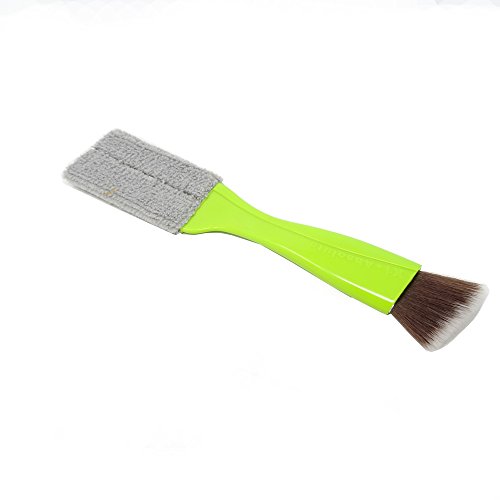
- portable fan blade cleaning brush — for direct cleaning on blades and grills
- compressed air duster for electronics and fans — to dislodge fine dust from hard-to-reach areas
- microfiber cleaning cloth for small appliances — lint-free wipe-down


Before You Start
Prepare a clean, well-lit workspace and have a shallow tray or towel to catch dust. Ensure the fan is unplugged and cool before disassembly. If the model has a sealed motor, avoid wet cleaning on the motor housing. Plan for 15–30 minutes for most家庭-safe cleanings. Use caution around fans with metallic grills that may heat up slightly during use.
Step-By-Step: How To Clean A Portable Fan
- Unplug the fan from the outlet and move it to your cleaning area.
- Remove the front grill according to the manufacturer’s instructions, typically by releasing clips or screws.
- Gently pull out the blade assembly if possible; otherwise, clean blades in place with a microfiber cloth.
- Wipe each blade edge and the blade surface with the microfiber cleaning cloth, applying light pressure to remove dust.
- Use the portable fan blade cleaning brush to reach corners and under the hub where dust hides.
- Shake or lightly tap the grill to loosen embedded dust, then use compressed air to blast out debris from the grill and motor housing vents.
- Inspect the grille and housing for lint buildup; wipe with a clean cloth and recheck for dust gaps.
- Reassemble the fan, plug in, and run briefly at low speed to confirm smooth operation and verify there are no unusual sounds.
Troubleshooting
| Symptom | Likely Cause | Fix | Prevention |
|---|---|---|---|
| Fan makes grinding noise | Dust near the motor or misaligned blade | Clean thoroughly; reassemble accurately | Regular light cleanings every 1–2 months |
| Weak airflow | Dust buildup in grill or blades | Clean grills and blades; ensure clearance from housing | Monthly quick dust checks |
| Vibration or wobble | Loose grill screws or misaligned blade | Tighten screws; reseat blade | Inspect during cleaning |
| Fan stops mid-run | Overheating or clogged vents | Clear vents; allow cool-down; test again | Avoid running on high for long periods |
Common Mistakes
- Using excess water or liquid cleaners on motors or electrical parts
- Forcing the grill or blade removal without consulting the manual
- Overlooking dust in tiny crevices that harbor buildup
- Neglecting to dry components completely before reassembly
Tips For Best Results
- Clean the fan at regular intervals, especially during dusty seasons or when running frequently.
- Dust outside or in a well-ventilated area to minimize indoor dust dispersion.
- Use a microfiber cloth that traps dust rather than pushing it around.
- Keep the power cord and plug clean and free of dust to prevent insulation issues.
Call A Professional
Consider professional service if the fan exhibits persistent unusual noises, excessive vibration, electrical smells, or failure to operate after cleaning. Do not attempt internal motor repairs; electrical components require trained technicians.
FAQ
Can I wash a portable fan blade assembly?
Yes, if the blades are detachable and designed for water exposure. Use mild soap, rinse, and dry completely before reassembly.
Is compressed air safe for all fans?
Most inland-use fans tolerate it well, but avoid directing air into sealed bearings or motors. Use short bursts and keep a safe distance.
How often should I clean my portable fan?
Light cleaning monthly and a thorough cleaning every 3–6 months, depending on dust exposure and usage.
What should I do if cleaning doesn’t improve airflow?
Check for obstructed grills, clogged vents, or misaligned blades; if unresolved, consult the manufacturer or a technician.
Are there safety risks with cleaning electrical devices?
Always unplug first; never submerge electrical components; use dry or lightly damp cloths only where permitted by the manual.
Can I use a vacuum for cleaning?
Vacuuming the grill exterior can help, but avoid sucking dust from inside the motor area unless designed for it.
Buying Guide
When choosing a portable fan and planning regular cleaning, consider several factors to match your space and needs.
Size and airflow
Look for airflow ratings and blade size that suit room size. A compact desk fan may suffice for personal spaces, while larger models move air more effectively in living areas.
Noise level
Noise is often labeled in decibels. If quiet operation matters, review the dB rating and consider models with brushless motors.
Energy efficiency
Energy-efficient designs save power during long-use periods. Check manufacturer claims and look for ENERGY STAR if available.
Controls and accessibility
Familiarize yourself with speed settings, oscillation, timers, and remote controls. Simpler controls reduce maintenance errors.
Placement and safety
Assess where a fan will be placed to maximize airflow while reducing dust intake. Ensure stable surfaces and avoid direct airflow toward electronics or bedding.
Leave a Reply