How to Clean a Le Creuset Dutch Oven
Le Creuset enameled cast iron cookware combines heat retention with a low-maintenance finish. Proper cleaning extends the life of the enamel and preserves the vibrant color. This guide provides practical steps that fit typical home kitchens and friendly advice for common staining and residue.
Whether the oven is freshly used for a weeknight pasta sauce or a weekend roast, the following methods help keep the interior smooth and the exterior gleaming without damaging the enamel.
Quick Answer
Rinse with warm water, soak for tough residue, then gently scrub with non-abrasive tools. Avoid metal scouring pads and harsh cleaners. Dry thoroughly to prevent water spots.
What You’ll Need
The following tools are recommended for routine cleaning of Le Creuset enamel-coated Dutch ovens and related cookware.
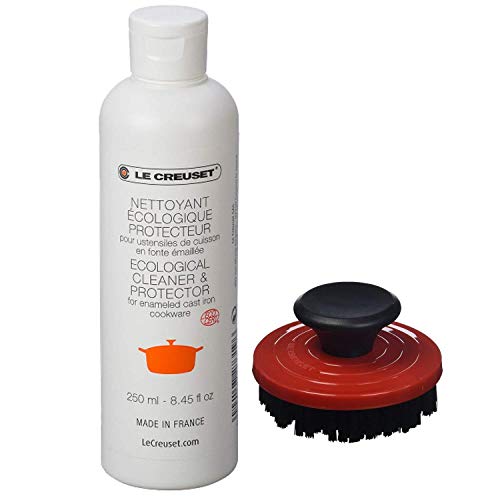
- Le Creuset enamel-safe cleaning brush for dutch ovens
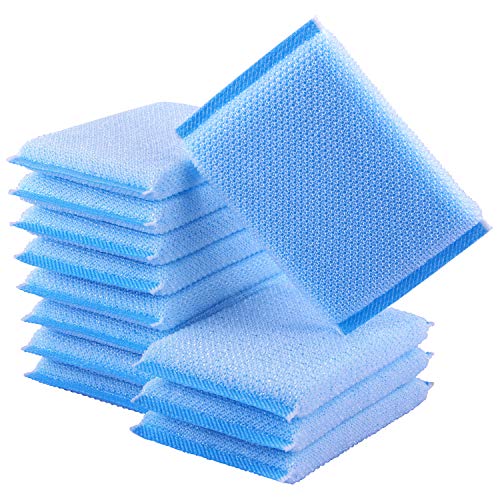
- Non-abrasive sponge for enameled cast iron cookware Le Creuset
- Nylon scrub pad for enameled cast iron cookware

Before You Start
Always allow the Dutch oven to cool before cleaning to avoid thermal shock that could stress the enamel. Use warm water rather than hot immediately after cooking to prevent rapid temperature changes. If the pot is still hot, use lukewarm water to begin the rinse. Do not plunge a hot pot into cold water or soak a hot vessel in cold water.
For safety, wear oven mitts when handling hot cookware, and ensure the work area is dry to prevent slips. The following time estimates are approximate: 5 minutes for routine cleaning, up to 20 minutes for stubborn stains after a heavy simmer or braise.
Step-By-Step: How To Clean A Le Creuset Dutch Oven
- Allow the pot to cool to room temperature after cooking, then rinse with warm water to loosen food.
- Fill with warm water to cover the bottom and add a small amount of mild dish soap if desired. Let soak for 10–15 minutes for stuck-on residue.
- Gently scrub using a Non-abrasive sponge for enameled cast iron cookware Le Creuset or the Le Creuset enamel-safe cleaning brush for dutch ovens to lift residue without scratching.
- For stubborn stains, make a paste with a small amount of baking soda and water. Apply gently with the nylon scrub pad and rinse thoroughly.
- Rinse completely to remove all soap, paying attention to the corners and around the lid ring where debris collects.
- Dry the pot immediately with a soft towel and allow it to air-dry upright to prevent water spots.
- Inspect the enamel for any roughness or glaze wear. If needed, repeat gentle cleaning steps or switch to a softer pad for delicate areas.
- Store with the lid slightly ajar or in a well-ventilated area to prevent moisture buildup inside the pot.
- For routine maintenance, perform a light clean after each use to avoid heavy buildup and preserve the glossy finish.
- If a strong odor or stain persists, consider repeating the cleansing cycle with a vinegar-water solution (1:1) and a mild scrub, then rinse well.
- Avoid placing the Dutch oven in the dishwasher, as long cycles and harsh detergents can dull enamel over time.
Troubleshooting
| Symptom | Likely Cause | Fix | Prevention |
|---|---|---|---|
| Food sticks despite cleaning | Residue buildup or seasoning misalignment | Soak longer, use baking soda paste, scrub gently | Clean promptly after cooking; avoid overheating |
| Streaks or dull finish | Soap residue or hard water | Rinse thoroughly, wipe with a dry cloth | Rinse with warm water, dry after use |
| Chalky white spots | Mineral deposits from water | Vinegar-water rinse, then thorough rinse | Dry completely, use filtered water if possible |
| Enamel chipping | Impact or abrasive scrubbing | Switch to softer tools; avoid metal scrubbers | Handle with care, avoid dropping |
Common Mistakes
- Using metal scrubbers or abrasive cleaners that scratch enamel
- Letting food sit for long periods without rinsing
- Soaking in extremely hot water right after cooking
- Dishwasher use, which can dull the surface over time
Sticking to gentle cleaning methods preserves the enamel’s luster and helps maintain resale value of the cookware.
Tips For Best Results
- Always start with warm water and a mild soap to assess cleanliness before resorting to stronger methods.
- Use a dedicated Non-abrasive sponge for enameled cast iron cookware Le Creuset for routine maintenance and reserve nylon scrub pads for stubborn spots.
- After cleaning, dry the interior first to prevent water spots and then wipe the exterior with a soft cloth.
- Store with lids slightly ajar to improve air circulation and reduce odor buildup.
Call A Professional
Call a professional if the enamel shows extensive cracking or heavy chipping that could affect food safety. Seek expert help for repairs or refinishing if you notice widespread damage, unusual smells that persist after cleaning, or if you are unsure about the integrity of the enamel coating.
FAQ
Can I use vinegar to clean a Le Creuset Dutch Oven?
Yes, a diluted vinegar rinse can help remove mineral deposits and odors, followed by a thorough rinse.
Is it safe to use a dishwasher on Le Creuset enamel?
Most Le Creuset enamel-coated cookware is not dishwasher safe; hand washing is recommended to preserve the finish.
What should I do about stubborn burnt-on food?
Soak the pot in warm water with a bit of dish soap, then scrub with a non-abrasive sponge or nylon pad. For tougher spots, use a baking soda paste.
How can I prevent enamel wear over time?
Avoid metal tools and abrasive cleaners; clean promptly after use and dry completely after washing.
Is it necessary to season or oil Le Creuset pots?
No, enamel-coated Le Creuset pots do not require seasoning; routine cleaning is enough to keep them in good condition.
Buying Guide
When selecting cleaning-related accessories for Le Creuset, consider durability, compatibility with enamel, and ease of use. A dedicated brush, a non-abrasive sponge, and a nylon scrub pad should cover most routine cleaning tasks without risking damage to the enamel. Look for brushes labeled specifically for dutch ovens or enameled cookware, as these are designed to be gentle yet effective.
Key buying factors include size compatibility with your Dutch oven, the material of the cleaning tools (synthetic vs. natural fibers), and whether the tools are dishwasher-safe for convenient cleaning. If multiple Le Creuset pieces are in use, choosing a unified set simplifies maintenance and ensures consistent results.
Consider storage space and ease of access in a busy kitchen. A compact cleaning set that fits a standard lower cabinet or a dedicated drawer makes it more likely the cookware will be cleaned promptly after use, extending enamel longevity.
For homeowners with hard water or frequent heavy cooking, pairing the cleaning set with a mild mineral-removing routine can help maintain sparkle and prevent mineral buildup on the exterior and around the lid.
Leave a Reply