How to Clean a Knife: Safe, Effective Techniques for Every Kitchen
Cleaning knives properly is essential for food safety and extending the life of sharp blades. This guide walks through safe handling, the best tools, and step-by-step methods to keep kitchen knives pristine without damaging their edges.
Quick Answer
Rinse off loose debris, wash with warm water and a mild dish soap using a non-abrasive sponge, dry immediately, and store in a knife block or on a magnetic strip. For stubborn residue, use a dedicated knife cleaning brush with soft bristles stainless steel handle or a silicone knife cleaning sponge scrubber for knives.
What You’ll Need
- Warm water and mild dish soap
- Non-abrasive sponge or soft cloth
- Knife cleaning brush with soft bristles stainless steel handle
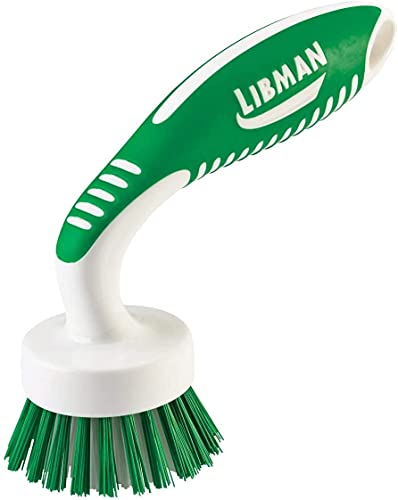
- Curved kitchen knife scrub brush set for hard-to-reach areas
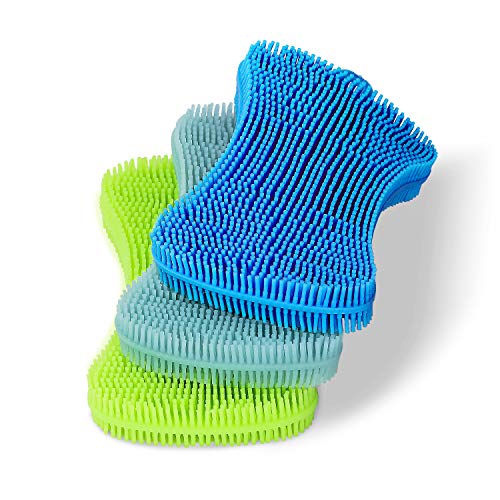
- Silicone knife cleaning sponge scrubber for knives
- Dry cloth or microfiber towel
- Knife storage solution (block or magnetic strip)

Before You Start
Always handle blades with care to avoid cuts. Do not submerge you knives in soaking water for long periods, which can loosen handles and cause corrosion in some blades. Use warm, not hot, water to prevent warping and keep your hands away from the blade edge. Plan a quick routine to minimize the time a knife is exposed to moisture, and dry thoroughly after washing. Keep knives separate from other utensils during cleaning to prevent dulling or chipping.
Step-By-Step: How To Clean A Knife
- Rinse the knife under running warm water to remove loose debris from chopping or slicing.
- Apply a small amount of mild dish soap to a soft sponge or microfiber cloth.
- Wipe the blade from spine to edge with smooth, single-direction strokes to avoid scraping the surface.
- For stubborn residue near the handle, use a curved kitchen knife scrub brush set or a knife cleaning brush with soft bristles stainless steel handle to reach crevices without scratching the blade.
- Rinse the blade again to remove soap and loosened grime.
- Dry the blade immediately with a clean towel, starting at the spine and moving toward the edge to prevent water spots and rust.
- Wipe the handle as well if it’s wood or composite, ensuring no water remains that could cause swelling or loosening.
- Store the knife in a dry location, either in a block or on a magnet strip, to minimize contact with other utensils and reduce dulling risk.
- Repeat the process after heavy use, especially after slicing acidic foods like citrus to prevent corrosion.
- If your knife has a wooden handle, periodically treat with a food-safe oil to maintain moisture balance and prevent cracking.
- Regularly inspect blades for chips or dullness and schedule professional sharpening as needed.
Troubleshooting
| Symptom | Likely Cause | Fix | Prevention |
|---|---|---|---|
| Rust spots | Exposure to moisture and acidic foods | Gently scrub with a non-abrasive pad and re-oil wood handles | Dry immediately after washing; store in dry area |
| Edge feels dull | Improper cleaning technique or pure neglect | Have blade professionally sharpened; use proper washing method | Regular light cleaning after each use |
| Handle loosening | Moisture exposure or improper drying | Dry thoroughly; re-tighten or replace loose handles | Avoid soaking and use correct storage |
| Scratch marks on blade | Using abrasive scrubbers | Switch to non-abrasive tools like the silicone sponge scrubber | Use soft tools for daily cleaning |
Common Mistakes
- Using bleach or harsh cleansers that can degrade metal and handle materials
- Soaking knives for long periods, which can loosen handles or promote corrosion
- Cleaning with metal scouring pads that scratch the blade
- Wiping toward the edge or scraping with force, which can dull or nick the blade
- Storing wet blades where moisture can promote rust
Tips For Best Results
- Wash knives separately from other utensils to avoid contact damage and contamination
- Maintain a quick, routine cleaning cycle every use to prevent residue buildup
- Use the curved brushes and silicone scrubbers to access tight areas near the bolster and tip
- Dry with a microfiber towel to reduce water spots and maintain shine
- Periodic professional sharpening keeps edges precise and safe
Call A Professional
Contact a professional if you notice:
- Cracks or warping in the blade or handle
- Persistent rust that doesn’t respond to cleaning
- Loose or damaged handles that affect balance or safety
If any of these signs appear, seek guidance from a skilled knife technician or the manufacturer’s service center for safe inspection and repair.
FAQ
Can I put knives in the dishwasher?
Dishwashers can dull blades and damage handles; hand washing is recommended.
Should I oil wooden knife handles?
Yes, use a food-safe oil to preserve moisture and prevent cracking or warping.
How do I remove rust from a blade?
Gently scrub with a non-abrasive pad and use a rust remover if necessary, then re-oil the blade and dry thoroughly.
How often should I sharpen my knives?
Sharpen when you notice reduced cutting performance; professional sharpening is advised periodically depending on use.
What is the best tool to clean near the bolster?
A curved kitchen knife scrub brush set or a soft-bristle brush designed for knives works well.
Do silicone scrubbers damage blades?
Generally no when used gently; they are milder than metal scrubbing pads and help avoid scratches.
Buying Guide
Choosing the right knife cleaning tools involves considering size, material, and ease of use. For most home cooks, a combination of a knife cleaning brush with soft bristles stainless steel handle, a curved kitchen knife scrub brush set, and a silicone knife cleaning sponge scrubber for knives covers daily needs. When evaluating tools, look for non-scratching bristles, ergonomic handles, and dishwasher compatibility if applicable. Consider storage options that keep blades dry and separated from other utensils to minimize nicks and dulling. For specialty knives (santoku, fillet, or serrated blades), ensure the tools can reach between teeth and under the edge without causing damage. Prioritize versatility, safety features, and ease of cleaning to maintain a tidy, efficient kitchen workflow. Are you ready to simplify knife care with a streamlined kit that works across different blade types and kitchen tasks?
Leave a Reply