How to Clean a Humidor
Keeping a humidor properly cleaned is essential for maintaining the right humidity levels and preserving the tobacco’s aroma and flavor. This guide walks American users through a practical, step-by-step process using common humidor cleaning tools and safe methods.
The cleaning routine below emphasizes gentle methods and routine maintenance to minimize the buildup of oils, dust, and mold spores while protecting the Spanish cedar interior that helps regulate humidity.
Quick Answer
Remove all cigars and accessories, wipe the interior with a damp microfiber cloth lightly moistened with isopropyl alcohol at 70%, then use a soft brush for corners. Dry the interior completely, clean the cedar with cotton swabs, and re-season if needed before reintroducing cigars.
What You’ll Need
- Humidor cleaning kit soft brush
- Microfiber cloth
- Isopropyl alcohol 70% for humidor interior cleaning
- Spanish cedar humidor cleaning cotton swabs
- Optional extra microfiber cloth for polishing
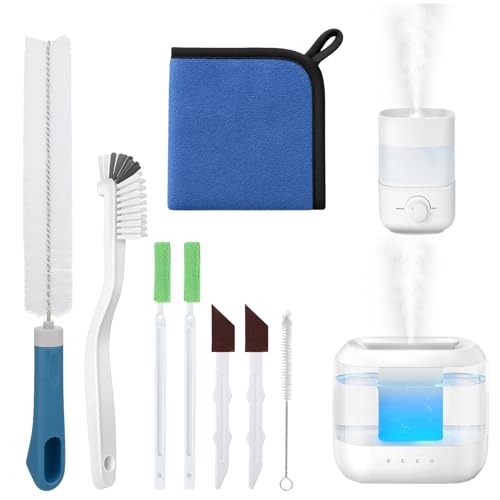


Before You Start
Prepare a clean, dust-free workspace and read the humidity gauge on the humidor. Never soak the interior or use harsh solvents; alcohol should be applied sparingly to a cloth, not directly to the wood. Remove all cigars and place them in a temporary, well-ventilated container to prevent damage. Allow the humidor to dry completely after cleaning to avoid trapping moisture inside.
Estimated time: 30–60 minutes, plus any time needed to re-season the cedar if the interior lost moisture during cleaning. Consider performing this task in a well-ventilated area to minimize fumes and ensure quick drying.
Step-By-Step: How To Clean A Humidor
- Unstack and remove all cigars, hygrometer/unknown items, and trays from the interior.
- Inspect the cedar for surface dust or white powdery residue; this can be a sign of dry cedar that needs gentle attention.
- Lightly dampen a microfiber cloth with isopropyl alcohol 70% and wipe the interior plywood and cedar surfaces in a circular motion.
- Use a soft brush from the cleaning kit to brush away loosened dust from corners, joints, and the hinge area.
- For stubborn spots or residues, use Spanish cedar cleaning cotton swabs dipped very slightly in alcohol; dab rather than scrub to avoid soaking the wood.
- Wipe all interior surfaces again with a fresh microfiber cloth to remove any residual moisture or alcohol.
- Allow the humidor to air-dry completely, ideally in a warm, dry room until the interior feels dry to the touch.
- Optionally apply a light pass of a clean cloth to buff the cedar for a smooth finish; avoid applying oils or waxes not intended for humidors.
- Reinstall the humidification device and re-season the interior if the cleaning session affected humidity balance.
Troubleshooting
| Symptom | Likely Cause | Fix | Prevention |
|---|---|---|---|
| Interior feels sticky after cleaning | Excess moisture left behind | Wipe with dry microfiber cloth; allow full drying | Use minimal alcohol on cloth; avoid over-wetting |
| White powdery cedar remains | Dust or mineral residue | Brush gently with cleaning kit brush | Clean regularly to prevent buildup |
| Humidity drops quickly after cleaning | Moisture loss during cleaning | Re-season cedar; adjust humidity level slowly | Keep humidity stable during and after cleaning |
| Persistent musty odor | Mold spores or trapped moisture | Careful cleaning with alcohol; consider replacement cedar if extensive | Maintain routine cleaning and proper ventilation |
| Cedar feels brittle | Over-drying | Humidity reintroduction and gentle handling | Avoid over-cleaning and rapid humidity changes |
Common Mistakes
- Using excessive alcohol or soaking the interior, which can damage the cedar.
- Cleaning with rough brushes that scratch the wood surface.
- Neglecting to re-season the cedar after cleaning if humidity is affected.
- Leaving cleaning residues or moisture behind, which promotes mold growth.
- Ignoring the tray and gasket areas where dust can accumulate.
Tips For Best Results
- Schedule routine light cleanings every 3–6 months to prevent buildup and maintain stable humidity.
- Always use a dedicated humidor cleaning kit and microfiber cloths to avoid cross-contamination.
- Inspect the cedar for warping or cracking; replace cedar parts as needed to preserve proper airflow.
- Keep the humidor in a stable environment away from heat sources, sunlight, and drafts.
- Calibrate the hygrometer regularly or replace it if it shows inaccurate readings.
Call A Professional
Contact a professional if you notice persistent mold growth, significant moisture damage, warped cedar, or if the humidity control fails after cleaning. Stop using the humidor and seek expert advice when you detect strong odors, structural damage, or stubborn mold that doesn’t respond to routine maintenance.
FAQ
How often should I clean my humidor?
Most owners perform a light clean every 3–6 months, with a full interior wipe annually or when humidity behavior changes significantly.
Can I use water to clean a humidor?
Avoid plain water; moisture can promote mold. Use isopropyl alcohol 70% lightly on a cloth and dry thoroughly.
Is it safe to clean cedar with cotton swabs?
Yes, cotton swabs are gentle when dampened slightly; they work well for tight spots without soaking the wood.
What should I do if humidity is too high after cleaning?
Ventilate the humidor and re-season the interior gradually, using a calibrated humidification device to reestablish target humidity.
What if I can’t remove a musty odor?
Repeat gentle cleaning and check for mold; if odor persists, replace affected cedar components and consider professional assessment.
Should I replace the humidification device after cleaning?
It depends on its condition. If it shows wear or contamination, replace it to restore accurate humidity control.
Can I use essential oils to freshen the humidor?
No. Essential oils can leave residues that alter humidity and flavor; stick to approved cleaning methods.
Buying Guide
When choosing a humidor cleaning setup and replacement parts, consider size, materials, and maintenance needs. A compact cleaning kit with soft brushes and microfiber cloths works for smaller units, while larger setups may benefit from extra cotton swabs and a more robust brush. Look for a non-abrasive kit designed for Spanish cedar interiors to avoid scratches and preserve aroma. Consider moisture control capabilities: a reliable hygrometer, a controllable humidification system, and a design that minimizes crevices where dust collects. Finally, prioritize ease of cleaning and accessibility of replacement cedar components to extend the life of the humidor.
Leave a Reply