How to Clean a Hog: Safe Grooming and Washing Steps
Hogs require regular cleaning to stay healthy and comfortable, especially in farm settings where dirt and skin irritants can build up quickly. This guide covers practical, humane methods using common grooming tools and a garden hose setup to keep hogs clean without stressing them.
Quick Answer
Use a gentle approach with a pig grooming brush and a rubber curry comb to loosen dirt, followed by a heavy duty garden hose spray nozzle to rinse. Work from the neck back, avoid the face, and reward with a treat to maintain positive associations with washing.
What You’ll Need
- Pig grooming brush nylon bristle for hogs cleaning
- Rubber curry comb pig grooming tool for hogs
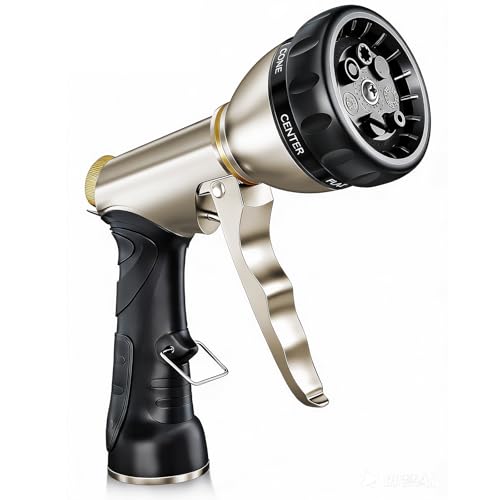
- Heavy duty garden hose spray nozzle for washing animals farm
- Sturdy non-slip bucket or trough for rinsing liquids
- Warm water source (adjust for weather and hog comfort)
- Fine-to-medium grooming gloves (optional for sensitive skin)


Before You Start
Plan for a calm, shaded area if possible. Hogs can become stressed by sudden sounds or cold water, so test water temperature and adjust gradually. Never spray directly in the eyes, ears, or nostrils. Have a helper nearby if the hog is large or skittish. Time estimates vary with coat length and mud amount, generally 15–30 minutes per animal.
Step-By-Step: How To Clean A Hog
- Secure the hog in a safe, enclosed washing area with firm footing. Use a calm voice and slow movements to prevent sudden movements.
- Inspect the skin for cuts, sores, or signs of irritation. Address any issues before washing and consult a vet if needed.
- Rinse the hog with lukewarm water using the heavy duty garden hose spray nozzle for washing animals farm on a gentle setting to loosen loose dirt.
- Work in sections, starting at the shoulders and moving toward the hindquarters. Use the pig grooming brush nylon bristle for hogs cleaning to lift dirt from the skin and coat.
- Apply mild soap or an approved pig-safe shampoo if deeply soiled. Lather lightly and avoid over-soaping to prevent skin dryness.
- Switch to the rubber curry comb pig grooming tool for hogs to further loosen embedded dirt and stimulated circulation. Use circular motions, especially around joints and neck.
- Rinse thoroughly, ensuring all soap is removed. Residual soap can irritate skin, so check for any soapy patches and re-rinse if needed.
- Dry the hog with a clean, dry towel or allow time in a warm, draft-free area. Gentle rubbing helps remove moisture and reduces chill risk.
- Check hooves for mud buildup and gently wipe clean with a damp cloth if necessary. Remove any debris from the skin folds to prevent irritation.
- Offer water and a snack after washing to reinforce a positive experience and encourage cooperation for future baths.
Troubleshooting
| Symptom | Likely Cause | Fix | Prevention |
|---|---|---|---|
| Hog resists water or grooming | Stress or unfamiliar environment | Pause, speak calmly, resume gradually; use shorter sessions | Establish routine gradually; practice in shade with treats |
| Itchy or irritated skin after wash | Harsh shampoo or over-washing | Use pig-safe shampoo; limit washing frequency | Rinse thoroughly; avoid scented products |
| Mud returns quickly | Coat holds dirt; weather favors mud | Spot clean and rinse after mud opportunities; consider timing | Provide dry, clean resting area post-wash |
Common Mistakes
- Using hot water that shocks the hog; always test temperature first.
- Over-soaping, which dries skin and irritates animals.
- Directly spraying the face or ears with strong water pressure.
- Neglecting to rinse completely, leaving soap residues behind.
- Forgetting to dry the hog thoroughly, increasing chill risk in cooler weather.
Tips For Best Results
- Keep sessions short and progressive; gradually extend as the hog becomes comfortable.
- Use a two-tool approach: the nylon bristle brush for lifting dirt, followed by the rubber curry comb for gentle exfoliation.
- Test water temperature on your forearm before starting and adjust to warm, not hot levels.
- Work with the hog’s natural shedding cycles, focusing on heavier dirt days or after workouts.
- Reward consistently with tasty treats to reinforce positive associations with washing.
Call A Professional
Contact a veterinarian or experienced large-animal groomer if there are persistent skin issues, open wounds, severe irritation, or signs of infection. Seek professional help immediately if the hog shows signs of extreme distress, refuses to stand, or develops limping after washing. In these cases, prioritize safety for both the animal and handlers.
FAQ
Can I wash a hog with ordinary soap?
It is best to use pig-safe shampoo or mild, unscented soap designed for livestock to avoid skin irritation.
How often should a hog be washed?
Frequency depends on mud and weather; typically every few weeks or as needed for cleanliness and comfort.
Is it safe to spray water directly on the hog’s face?
No. Avoid direct high-pressure spray on the face; rinse the head carefully from the neck back.
What if the hog gets stressed during washing?
Pause, use a calm voice, and offer treats. Short, positive sessions build trust over time.
Buying Guide
Choosing the right tools for hog cleaning can improve safety, efficiency, and comfort for both animal and handler. Consider size, material, and ergonomics when selecting grooming gear and washing accessories.
- <bCoarse-to-fine brushes ensure effective dirt removal without injuring the skin. The pig grooming brush nylon bristle for hogs cleaning offers durable bristles suitable for various coat types.
- <bRubber curry combs provide gentler exfoliation and help distribute oils. The rubber curry comb pig grooming tool for hogs is a good companion to nylon brushes.
- <bWatering equipment such as a heavy duty garden hose spray nozzle for washing animals farm should offer adjustable pressure and a comfortable grip to minimize stress during baths.
- <bSafety and comfort include non-slip footwear and stable washing areas to prevent slips and injuries.
- <bTemperature control matters; a measured near-warm water supply protects skin from shock and maintains animal comfort.
When comparing setups, think about how easily you can access the hog, how the tools fit your hand, and how the area handles water drainage and mud. Do you need portability for mobile farms or a fixed station for a large herd? What about maintenance of brushes and hoses over the seasons? These considerations help ensure consistent, humane cleaning routines.
Leave a Reply