How to Clean a Headstone: Safe, Effective Techniques for Gravestones
Cleaning a headstone requires care to preserve the stone’s integrity and legibility. This guide provides practical steps using gentler, stone-safe methods and common sense preservation tips suitable for common gravestones found on U.S. cemeteries and private plots. Readers will learn how to remove dirt, biological growth, and stains without causing damage.
Quick Answer
Use a pH-neutral cleaner with a soft-bristle brush and a stone-safe microfiber cloth. Gently scrub in a circular motion, rinse with clean water, and allow the surface to air dry. Avoid harsh chemicals, high-pressure water, or scrubbing too aggressively, which can erode inscriptions.
What You’ll Need
- Gravestone cleaning kit pH-neutral cleaner 16oz
- Soft-bristle brush gravestone headstone cleaning
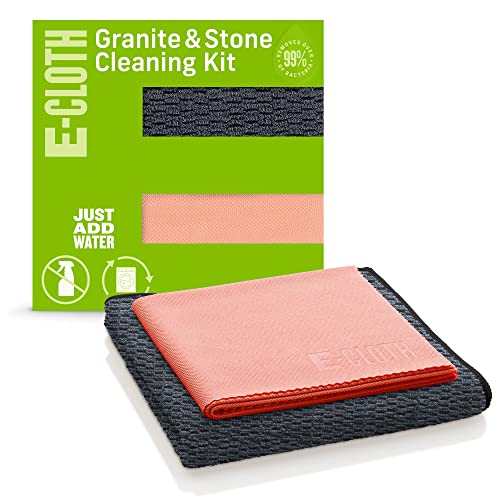
- Stone-safe microfiber cloth gravestone cleaning

Before You Start
Before cleaning, inspect the headstone for cracks or loose components. Do not scrub if the stone shows structural damage. Work in shaded conditions to prevent rapid drying, which can leave streaks. Plan for a cool, calm day and wear gloves to protect hands. Time spent cleaning should be conservative; allow layers of dirt to lift gradually rather than force removal. Never use bleach, acidic cleaners, or pressure washers. These can damage the stone’s surface and inscriptions.
Step-By-Step: How To Clean A Headstone
- Place a soft mat or barrier at the base to keep your cleaning area clean and to prevent muddy runoff from reaching surrounding grass or soil.
- Rinse the headstone with a gentle stream of water to loosen surface dirt without driving it into the stone’s porous areas.
- Apply a pH-neutral cleaner 16oz to the surface following the product instructions. Do not pour directly onto inscriptions; apply with a spray bottle or damp cloth to minimize runoff.
- Use a soft-bristle brush gravestone headstone cleaning to work the cleaner into crevices. Use light, circular motions and avoid hard scrubbing to prevent scratching or erosion.
- Rinse thoroughly with clean water, ensuring all cleaner residue is removed from lettering and edges.
- Dry the surface with a stone-safe microfiber cloth gravestone cleaning to prevent water spots and reduce streaking. Avoid wringing or using abrasive fabrics that could abrade the stone.
- For biological growth (moss, lichen), repeat the cleaning cycle with minimal agitation and ensure complete rinsing to prevent regrowth caused by lingering cleaners.
- Inspect inscriptions under good lighting. If any lettering is faint, avoid aggressive brushing; consult cemetery maintenance guidelines or a professional conservator.
- Document the process with photos before and after for records and future reference, especially on older or fragile stones.
- Dispose of rinse water away from plant roots and grass, following cemetery regulations or local guidelines for outdoor cleaning.
- Store cleaning supplies in a cool, dry place and clean brushes after use to extend their life and performance.
Troubleshooting
| Symptom | Likely Cause | Fix | Prevention |
|---|---|---|---|
| Streaks or white haze | Improper rinsing or mineral deposits | Rinse again with clean water and dry with microfiber cloth | Rinse thoroughly every step and avoid letting cleaner dry on stone |
| Lettering appears faint after cleaning | Insufficient gentle brushing near inscriptions | Reapply cleaner lightly and use a soft brush along engraved areas | Test a small area first and avoid heavy scrubbing |
| Cracking or flaking surface | Structural damage or overly aggressive cleaning | Cease cleaning and consult a professional conservator | Inspect for cracks before cleaning and avoid high-pressure methods |
| Persistent biological growth | Molds or algae resilient to basic cleaning | Repeat cleaning with pH-neutral cleaner and consider a preventative maintenance plan | Maintain a light cleaning schedule to deter buildup |
Common Mistakes
- Avoiding the use of a pH-neutral cleaner and opting for harsh chemicals instead.
- Using stiff brushes or abrasive pads that can scratch stone surfaces.
- Discarding instructions or skipping rinsing steps, leading to residue on inscriptions.
- Cleaning in direct sun or very hot conditions, which can cause rapid evaporation and streaks.
Tips For Best Results
- Work in sections and rinse frequently to prevent dirt from redepositing on the stone.
- Test any cleaner on a small, inconspicuous area before full application.
- Keep a log of cleaning dates and conditions to track stone health over time.
- Use the same tools on similar stones to maintain uniform appearance and avoid cross-contamination.
- Coordinate with cemetery staff or caretakers about any special preservation practices or restrictions.
Call A Professional
Consult a professional conservator or cemetery maintenance team if the headstone shows significant cracking, flaking, or structural instability. Stop cleaning immediately if any new damage appears, and seek guidance before proceeding. Early intervention can prevent further deterioration and preserve legibility for future generations.
FAQ
Can I use household cleaners on a headstone?
It is best to avoid household cleaners that are acidic or alkaline, as they can damage stone surfaces. Use a pH-neutral cleaner designed for stone.
Is it safe to clean old inscriptions?
Yes, provided you use gentle techniques and avoid aggressive scrubbing or harsh chemicals. If inscriptions are deeply carved or fragile, consult a professional first.
How often should I clean a headstone?
Cleaning frequency depends on location and exposure. Light maintenance every 6–12 months is common, but adjust based on dirt buildup and biological growth.
What about cleaning around plant life or soil?
Avoid disturbing soil or surrounding plant roots; rinse runoff away from grass and use minimal water pressure.
Can I restore weathered inscriptions?
Restoration of inscriptions should be performed by a conservator with experience in gravestone preservation.
Are there any cemetery rules I should know?
Yes, many cemeteries have guidelines about cleaning methods, materials, and disposal. Always check and follow local rules.
Buying Guide
When selecting tools for gravestone cleaning, consider factors like size, noise level, energy efficiency, controls, and placement. A gravestone cleaning kit pH-neutral cleaner 16oz paired with a soft-bristle brush gravestone headstone cleaning and a stone-safe microfiber cloth gravestone cleaning offers balanced performance for most stones. Look for a kit that states compatibility with common stone types, such as marble or granite, and ensures the cleaner is non-corrosive and biodegradable. Consider storage and ease of use, especially if you plan periodic maintenance on multiple gravestones. Noise isn’t a major concern with manual cleaning, but choosing handheld, low-resistance brushes can make the process more comfortable. For sensitive inscriptions, opting for brushes with very soft bristles minimizes risk of abrasion. Finally, assess any additional accessories like spray bottles, gloves, or protective mats to support a safe, thorough cleaning routine.
Leave a Reply