How to Clean a Hamster Cage
Keeping a hamster’s living space clean is essential for their health and happiness. Regular maintenance helps prevent odors, reduces the risk of infections, and makes daily care easier. This guide provides a practical, step-by-step approach using commonly available, pet-safe products to safely clean a hamster cage in a home environment.
Quick Answer
Clean the cage weekly with a non-toxic hamster cage cleaner spray or pet-safe disinfectant, scrub surfaces with a hamster cage cleaning brush set, rinse with warm water, and dry thoroughly before returning your hamster and bedding. Always remove the animal first and ensure products are fully rinsed and dry before reintroducing your pet.
What You’ll Need
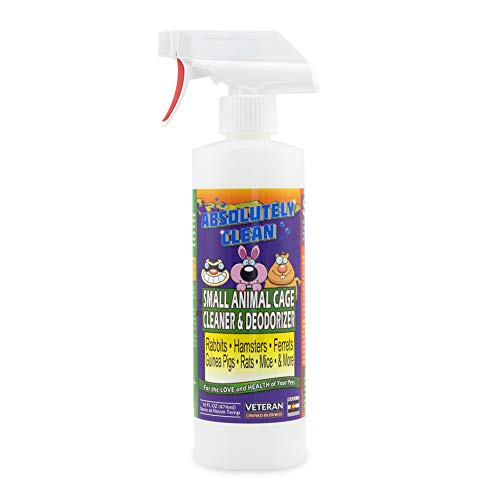
- Non-toxic hamster cage cleaner spray for small animals
- Hamster cage cleaning brush set scrubber
- Pet-safe disinfectant for hamster cages
- Warm water and clean towels or paper towels
- New bedding and food/water containers (as needed)
- Gloves (optional for sensitive hands)


Before You Start
Prepare a safe space for cleaning, such as a sink or tub lined with a towel. Remove the hamster gently and place it in a secure travel carrier or a temporary safe enclosure. Ventilate the area if using sprays. Never mix cleaning products or use household bleach directly on cage parts without proper rinsing. The time estimate for a routine cleaning is typically 20–40 minutes, depending on cage size and accessories.
Step-By-Step: How To Clean A Hamster Cage
- Move your hamster to a temporary enclosure and remove all bedding, toys, and accessories from the cage.
- Discard soiled bedding and debris into a trash bag or designated waste container.
- Spray the interior surfaces with a non-toxic hamster cage cleaner spray for small animals, focusing on corners and any removable trays.
- Use the hamster cage cleaning brush set scrubber to scrub bars, corners, and plastic components. Rinse the brush frequently as you work.
- Wipe down plastic trays and habitats with a damp cloth, then rinse with warm water to remove cleaner residue.
- Deep-clean water bottles and bowls using the brush set or a dedicated bottle brush, ensuring all residue is removed.
- Dry all surfaces completely with a clean towel or allow items to air dry before reassembly.
- Replace bedding with fresh, dust-free material and reintroduce cleaned accessories and food/water containers.
- Return your hamster to the cage and monitor for signs of distress as they settle back into their refreshed habitat.
- Dispose of cleaning towels or wash them separately to prevent cross-contamination with other household items.
- Schedule the next cleaning, adjusting the frequency if your hamster’s cage becomes soiled more quickly.
Troubleshooting
| Symptom | Likely Cause | Fix | Prevention |
|---|---|---|---|
| Strong odor after cleaning | Residual cleaner or damp bedding | Rinse thoroughly and ensure complete drying before reintroducing | Air out cage between cleanings |
| Hamster shows stress or reluctance to re-enter cage | Cleaning disruption or loud equipment | Return to cage gradually, provide a familiar hiding place | Use quiet cleaning methods and avoid overhandling |
| Scratches or dermatitis on hamster | Direct contact with cleaning residues | Rinse components well and dry completely | Choose pet-safe products and keep them away from the animal once cleaning begins |
| Discolored plastic or metal | Build-up of minerals or insufficient cleaning | Soak with appropriate cleaner, scrub, and rinse thoroughly | Clean regularly to prevent mineral deposits |
Common Mistakes
- Using harsh household cleaners or bleach directly on cage components.
- Letting the cage air-dry with residues still present, which can irritate the hamster.
- Neglecting bottle openings and small crevices where grime can accumulate.
- Reusing old bedding after cleaning; always replace with fresh bedding to prevent odors and bacteria.
Tips For Best Results
- Schedule weekly cleanings and perform a quick daily wipe-down of the cage to keep buildup at bay.
- Use a dedicated cleaning brush set scrubber to reach tight corners without scratching surfaces.
- Choose a pet-safe disinfectant specifically labeled for small animals to reduce health risks.
- Rinse every cleaned surface thoroughly; residue can irritate sensitive hamster skin.
- Let all parts dry completely before reassembling to prevent mold and damp odors.
- Rotate bedding types seasonally if your hamster has sensitive skin, ensuring dust-free options.
Call A Professional
Consider contacting a small animal veterinarian or pet-care professional if you notice persistent skin irritations, breathing difficulties, or persistent cage odors despite regular cleaning. Seek immediate help if your hamster shows signs of lethargy, loss of appetite, or abnormal grooming behaviors, which can indicate an underlying health issue.
FAQ
Is it safe to use a spray on a hamster cage while my pet is inside?
No. Always remove the hamster first and allow surfaces to dry completely before returning your pet.
Can I reuse the same cleaning brush across different cages?
Prefer separate brushes for different cages to minimize cross-contamination and ensure thorough cleaning.
What should I do if my hamster chews on cleaned surfaces?
Inspect surfaces for sharp edges and smooth them; ensure all residues are rinsed away and that toys are hamster-safe.
How often should I replace bedding?
Replace bedding weekly or sooner if soiled to maintain hygiene and reduce odors.
Buying Guide
When selecting products to clean a hamster cage, consider size and compatibility with your cage design. A non-toxic hamster cage cleaner spray for small animals should be gentle, effective, and labeled safe for pets. A robust hamster cage cleaning brush set scrubber helps reach corners and trays, while a pet-safe disinfectant for hamster cages provides an extra layer of sanitation without harsh chemicals.
Key buying factors include:
- <bSize and fit: Ensure cleaners and brushes are appropriate for your cage dimensions and materials (metal, plastic, and glass).
- <bNoise and ease of use: Look for low-noise sprays and ergonomic scrubbers for quick cleaning sessions.
- <bEnergy efficiency and chemistry: Choose air-dry times and concentrated formulas that minimize waste and environmental impact.
- <bControls and safety features: Favor spray bottles with clear labeling and child-safety caps; opt for ready-to-use disinfectants formulated for small animals.
- <bPlacement and storage: Keep cleaners, brushes, and disinfectants in a cool, dry place away from pets and food areas.
For a complete setup, pair a non-toxic cleaner with a dedicated scrubber and a pet-safe disinfectant to streamline routine cleanings. Assess your cage’s layout and your cleaning routine to choose products that fit your schedule and your hamster’s comfort. If you’re deciding between two products, consider how easily they rinse, how quickly they dry, and whether they leave any noticeable odor after use. A well-chosen trio makes hygiene simple and your hamster’s habitat safer and more pleasant.
Leave a Reply