How to Clean a Dusty Mattress Safely and Effectively
Dusty mattresses can harbor allergens, dust mites, and odors. A clean mattress contributes to better sleep quality and a fresher bedroom. This guide uses common household tools and practical techniques to remove dust using a handheld vacuum, an upholstery steam cleaner, and a mattress cleaning brush kit. The steps are designed for typical household mattresses and fabrics.
Whether you’re tackling a well-loved guest bed or refreshing a primary mattress, following a simple routine can restore comfort without damaging the surface. The methods below emphasize safety, efficiency, and minimal disruption to your sleep schedule.
Quick Answer
Quick method: Start with a thorough dry vacuum to lift loose dust, then use a dedicated upholstery steam cleaner for a quick refresh. Finish with a soft brush to lift fibers and air out the mattress. For deeper cleaning, a mattress cleaning brush kit helps lift embedded debris.
What You’ll Need
- Handheld vacuum cleaner for mattress dust removal: for initial dust pickup and debris removal
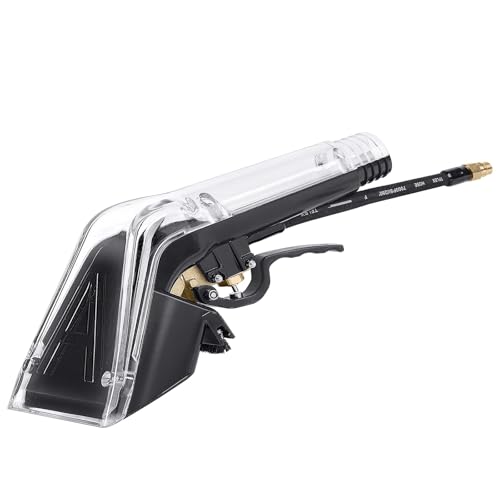
- Upholstery steam cleaner for mattresses: for deeper cleaning and sanitizing
- Mattress cleaning brush and upholstery cleaning tool kit: for agitation and fiber lifting
- Microfiber cloths
- Enzyme or mild cleaning solution (as recommended by cleaner manufacturer)


Before You Start
Clear the area and remove all bedding and protective covers. Protect yourself with a mask if you are sensitive to dust. Test any cleaner on a small, inconspicuous spot to check for colorfastness or fabric sensitivity. Allow the mattress to dry completely after cleaning to prevent mold growth. Time estimates: setting up and vacuuming 10–15 minutes; cleaning and drying 30–60 minutes depending on surface and ventilation. Critical cautions include avoiding soaking the mattress, not using heat or steam directly on certain foam types without manufacturer guidance, and ensuring the room is well-ventilated.
Step-By-Step: How To Clean A Dusty Mattress
- Strip the bed completely and launder all removable fabrics. This reduces immediate re-dusting during the process.
- Raise and open windows for ventilation. A cooler, drier environment helps dust settle less and aids drying.
- Vacuum with the handheld vacuum cleaner for mattress dust removal. Use slow, even strokes, and linger over seams and edges where dust collects.
- If needed, use the upholstery steam cleaner on low heat and a light steam setting. Hold the nozzle a few inches from the surface and avoid saturating the fabric. Steam helps kill bacteria and loosens particles.
- Go over the surface with the mattress cleaning brush kit. Use gentle back-and-forth motions to lift fibers and dislodge embedded dust without bending or tearing the fabric.
- Wipe with microfiber cloths to pick up loosened dust and moisture. Change cloths as they become damp to avoid spreading debris.
- Let the mattress air dry completely. If possible, place the bed in a sunny, dry area or use a fan to speed evaporation. Do not remount bedding until fully dry.
- Inspect and repeat if necessary. For persistent odors or dust, consider repeating the vacuum and light steam cycle after the surface has dried.
- Optional refresh: lightly sprinkle baking soda, then vacuum again after 15–20 minutes for odor control. Always test on a small area first.
- Reassemble bedding and replace protective covers once the mattress is fully dry.
Troubleshooting
| Symptom | Likely Cause | Fix | Prevention |
|---|---|---|---|
| Dust reappears quickly after cleaning | Room still dusty; inadequate ventilation | Increase airflow, run a dehumidifier or fan during and after cleaning | Clean regularly to prevent buildup |
| Steam leaves excessive moisture | Over-saturation or high heat settings | Use lower steam setting and keep nozzle at a distance | Test first on a small area |
| Fabric fibers look worn after brushing | Over-brushing or aggressive technique | Use lighter strokes and shorter sessions | Use the correct brush for fabric type |
| Streaks or damp spots | Moisture trapped in fabric | Increase air circulation and extend drying time | Ventilate and monitor moisture |
Common Mistakes
- Over-wetting the mattress with steam or cleaning solutions
- Using harsh brushes on delicate fabrics
- Neglecting to empty the vacuum canister between passes
- Skipping drying time, which can foster mold or odor
Sticking to light, controlled passes with the right tools minimizes fiber damage and improves outcomes.
Tips For Best Results
- Schedule regular cleaning sessions to prevent heavy dust buildup.
- Use a mattress protector to reduce future dust collection and ease cleaning efforts.
- Test all products on an inconspicuous area first to avoid discoloration or damage.
- Ventilate the room well and dry thoroughly between cleanings.
Call A Professional
Consider contacting a professional if the mattress has persistent stains, odor concerns, or has been contaminated by moisture for an extended period. Seek help if you notice mold growth, persistent allergens, or fabric damage that cannot be safely cleaned with home tools.
FAQ
Can I clean a mattress with just a vacuum?
Yes, a thorough vacuum is the first step to remove loose dust and debris.
Is steam cleaning safe for memory foam mattresses?
Steam can be risky on some foams; check the manufacturer’s guidance and use low heat and light steam settings if permitted.
How often should I clean my mattress?
A light cleaning every 1–3 months helps reduce dust buildup; deeper cleaning can be done every 6–12 months depending on usage and allergies.
What should I do about odors?
Freshen with ventilated drying and consider a light application of baking soda, followed by thorough vacuuming after 15–20 minutes.
Buying Guide
The right tools can make mattress cleaning easier and more effective. When choosing tools, consider the following factors to optimize results:
- <bSize and weight: A compact, portable handheld vacuum is easier to maneuver on a bed. Choose a unit with strong suction and a washable filtration system.
- <bNoise level: Look for quieter models for comfortable use in bedrooms, especially for late-night or early-morning cleaning sessions.
- <bEnergy efficiency: Check energy use ratings and battery life for cordless models to ensure long cleaning sessions without frequent recharges.
- <bControls: Simple on/off switches and adjustable suction help tailor performance to fabric types.
- <bPlacement: A compact steam cleaner with a regulated spray head works well across mattress surfaces and seams.
- <bA complete kit: A mattress cleaning brush and upholstery tool kit adds agitation and easier removal of embedded debris.
- <bMaintenance: Look for easy-to-clean filters and accessible replacement parts to keep tools effective over time.
Think about your mattress type, bedding materials, and allergy concerns when selecting tools. A coordinated set, combining a handheld vacuum, an upholstery steam cleaner, and a dedicated cleaning brush kit, tends to deliver the best results for most households.
Leave a Reply