How to Clean a Dry Brush for Painting
Cleaning a dry brush properly helps preserve bristle integrity and extends the life of affordable art tools. This guide walks through practical steps to refresh a dry brush without damaging delicate bristles, clear paint residue, and maintain peak performance for future projects.
Whether you’re finishing a sketch, reclaiming a brush after a textured oil layer, or preparing for the next color study, a clean brush improves control and paint delivery. The following steps combine simple household supplies with specialized tools to simplify the process for American artists of all levels.
Quick Answer
To clean a dry brush effectively: remove loose pigment with gentle pressure, rinse only when necessary, and use a soft cleaning tool and soap designed for brushes. Finish by reshaping bristles and allowing the brush to dry bristle-side up.
What You’ll Need
- silicone paint brush cleaning tool for artists
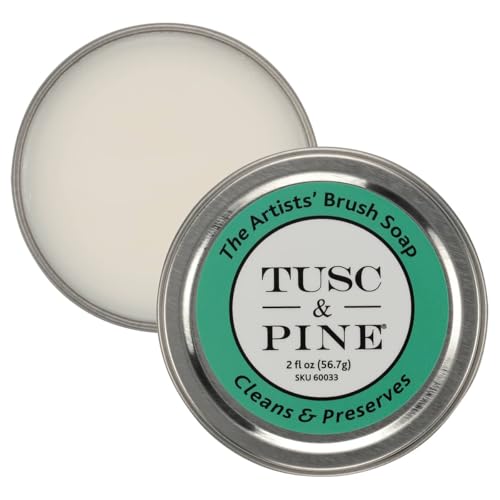
- artist brush cleaning soap acrylic oil brushes
- paintbrush cleaning mat with grid and brush comb


Before You Start
Prepare a clean, stable workspace and keep a waste bin within reach. Protect surfaces from staining by laying down a washable mat or paper. Check brush type first: synthetic bristles tolerate water-based cleaners, while natural bristles may be more delicate. Time estimates vary by brush size and paint type, but plan about 5–15 minutes per brush for thorough cleaning. Avoid soaking brushes for extended periods, which can loosen ferrules and deform bristles.
Step-By-Step: How To Clean A Dry Brush
- Knock or gently tap the brush to dislodge loose pigment from the bristles.
- Hold the brush with bristles pointing downward and wipe across a clean cloth or paper towel until no pigment transfers.
- If using a specialized tool, place the brush on the paintbrush cleaning mat with grid and brush comb and use light circular motions to lift surface paint.
- Apply a small amount of artist brush cleaning soap acrylic oil brushes to the bristles and work into a lather by gently massaging from ferrule to tip.
- Rinse under lukewarm water, keeping the bristles pointing downward to avoid water seeping into the ferrule. Repeat until the water runs clear.
- For stubborn residue, repeat the soap step or use the silicone cleaning tool to scrub along the brush length with minimal pressure.
- Gently squeeze excess water from the bristles without twisting. Lay the brush on a clean surface with bristles hanging slightly over the edge to maintain shape.
- Reshape the bristles with your fingers, aligning the tip evenly. If needed, rest the brush on a rack or stand until completely dry.
- Test the brush on a scrap area before returning to a full project to ensure the bristles respond properly.
- Store brushes upright in a brush holder or rack to maintain form and prevent damage to the bristles.
- For frequent painters, establish a routine cleaning after each session to minimize deeper buildup and extend brush life.
Troubleshooting
| Symptom | Likely Cause | Fix | Prevention |
|---|---|---|---|
| Stiff bristles after cleaning | Soap residue or water trapped in the ferrule | Rinse thoroughly and recondition with a small drop of conditioner designed for brushes | Rinse until water runs clear; avoid overheating water |
| Paint not releasing from brush | Old buildup or incompatible paint | Use a stronger brush cleaner or repeat soap step | Clean promptly after use; avoid letting oil paints dry on bristles |
| Tip of brush fraying | Brushing too hard or improper storage | Be gentle during cleaning; store bristles off surfaces | Use a proper brush holder and keep bristles aligned |
| Water-soluable paints leave residues | Incorrect temperature or dirty water | Use lukewarm water and fresh rinse water | Change rinse water frequently |
Common Mistakes
- Soaking brushes in water for long periods, which can loosen ferrules
- Using hot water that damages natural bristles
- Applying excessive pressure during cleaning that bends or splits bristles
- Neglecting to reshape bristles after washing, leading to misshapen tips
Tips For Best Results
- Use a dedicated cleaning mat and brush comb to lift paint and straighten bristles during the process
- Keep a small supply of brush cleaners suitable for the paint type you use most
- Regularly inspect ferrules for looseness and address immediately to prevent loss of bristles
- After cleaning, place brushes bristle-down on a rack to maintain shape while drying
- Label brushes by usage (acrylic, oil, watercolor) to avoid cross-contamination of cleaners
Call A Professional
Seek professional help if brushes have persistent hard-set paint that resists cleaning, if bristles are severely bent or splayed, or if ferrules show corrosion or looseness. Damaged brushes may require re-tipping, ferrule replacement, or professional restoration services.
FAQ
Can I use household soap to clean brushes?
Yes, mild dish soap can work, but specialized brush cleaning products are formulated to preserve bristle integrity over time.
Is it okay to rinse brushes under running water?
Yes, but avoid hot water and keep the bristles pointing downward to protect the ferrule.
How often should I clean oil brushes?
Clean after each painting session to prevent oil from drying and hardening on bristles.
What if my brush has synthetic bristles?
Synthetic bristles tolerate water-based cleansers well; follow instructions for soft, thorough rinsing and drying.
Buying Guide
When choosing brush-cleaning tools and accessories, consider size, material compatibility, and ease of use. For artists who work with multiple media, a dedicated silicone cleaning tool provides gentle scrubbing without shedding bristles. A cleaning mat with a grid and brush comb helps distribute pressure evenly and aligns bristles during cleaning. Look for brushes cleaning soaps designed for acrylic and oil paints to avoid harsh solvents. A compact, dedicated drying rack or stand minimizes shape deformation during air-drying. If noise and disruption are concerns in a shared studio, choose low-profile mats and hand-operated tools that require minimal power or vibration. Finally, verify compatibility with your brush sizes and handle shapes to ensure effective cleaning without damage. Would you benefit from a modular cleaning station that consolidates all three tools in one setup? A well-chosen system can streamline routine care and extend the life of your brushes.
Leave a Reply