How to Clean a Drinking Horn
Drinking horns offer a unique, reusable option for celebratory use, but proper cleaning and care are essential to maintain appearance and hygiene. This guide provides a practical, step-by-step approach suitable for American households, including the right tools and safe routines to keep horn surfaces vibrant and sanitary.
Quick Answer
Clean immediately after use with mild soap and warm water, then dry completely before storage. For stubborn residue, use a soft-bristle brush and gentle scrubbing. Finish with conditioning oil or polish to preserve the horn’s sheen.
What You’ll Need
- Drinking horn cleaning brush set
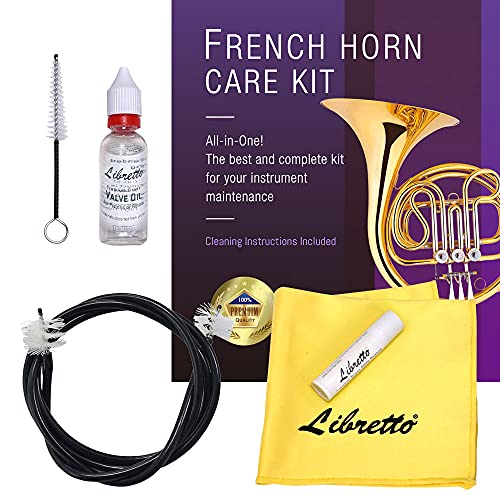
- Drinking horn care kit with horn polish and oil
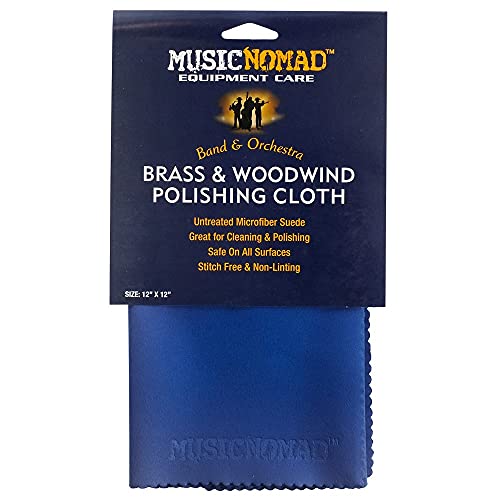
- Microfiber polishing cloth for horn care
- Mild dish soap
- Warm water

Before You Start
Inspect the horn for cracks or loose fittings before cleaning. Use lukewarm water and avoid scorching temperatures, which can warp horn material. Work in a sink or basin to control splashes and keep the horn steady during scrubbing. Allow 10–20 minutes of drying time after cleaning to ensure all moisture evaporates from crevices.
Step-By-Step: How To Clean A Drinking Horn
- Rinse the horn under lukewarm running water to remove loose debris.
- Fill the horn with a mixture of warm water and a drop of mild dish soap.
- Use a drinking horn cleaning brush set to scrub the interior, paying attention to the base and any seams.
- Rinse thoroughly with clean warm water to remove all soap residues.
- For stubborn stains, repeat washing with a gentle scrub or use a microfiber polishing cloth to buff the exterior.
- Dry the horn completely with a clean towel, then stand it upright to air-dry for several hours.
- Apply a small amount of drinking horn care kit with horn polish and oil to a cloth and evenly rub onto the exterior to restore luster.
- Polish with a microfiber polishing cloth for horn care until the surface shines and no residue remains.
- Wipe away any excess oil and allow the horn to sit overnight if needed before storage.
- Store in a cool, dry place away from direct sunlight to minimize drying and cracking risks.
- Repeat cleaning after each use to prevent buildup and to sustain color and shine.
- If you notice cracks or splits, discontinue use and seek guidance from a professional.
Troubleshooting
| Symptom | Likely Cause | Fix | Prevention |
|---|---|---|---|
| Interior smells persist | Soap residue or moisture trapped | Repeat rinse and dry completely; use minimal soap | Rinse thoroughly, air-dry fully |
| Exterior looks dull | Oxidation or lacking oil | Apply horn polish and oil; buff with microfiber | Regular conditioning after cleaning |
| Cracks appearing | Excessive heat or impact | Stop use; consult a professional | Avoid hot liquids and rough handling |
| Residue around seams | Soap buildup in joints | Carefully re-clean focusing on seams | Gentle brushes and thorough rinses |
Common Mistakes
- Using hot water or harsh cleaners that can warp or discolor the horn.
- Skipping thorough drying, which promotes mold or odor development.
- Overusing oil or polish, leading to a sticky or greasy exterior.
- Neglecting interior cleaning after sticky beverages or sweet drinks.
Tips For Best Results
- Choose a drinking horn cleaning brush set designed for interior scrubbing without scratching the surface.
- Follow the care kit instructions for oil and polish application to maintain a natural sheen.
- Store with the horn inverted or hanging to promote complete drainage and airflow.
- Test any polish on a hidden area first to verify no staining or discoloration.
- Keep a dedicated microfiber cloth for horn care to avoid cross-contamination with other items.
Call A Professional
Seek professional help if the horn shows deep cracks, nonuniform staining, or if odor persists after cleaning. Do not attempt structural repairs yourself, as wrong methods can worsen damage or affect safety.
FAQ
Is a vinegar rinse safe for cleaning drinking horns?
Vinegar can be too harsh for some horn materials; it is best to stick with mild soap and warm water or follow the care kit’s recommendations.
Can I use dish soap every time I clean?
Yes, a small amount of mild dish soap is acceptable for routine cleaning, followed by thorough rinsing.
How often should I apply oil or polish?
Apply after cleaning and drying, then periodically as needed to maintain luster, depending on usage frequency.
What storage conditions help extend horn life?
Store in a cool, dry place away from direct sunlight, with good airflow to prevent moisture buildup.
Are there safety concerns with horn care products?
Use products designed for horn care, and avoid contact with eyes or mucous membranes. Follow manufacturer instructions.
Will cleaning remove engravings or carved designs?
Gentle cleaning should preserve engravings; avoid aggressive scrubbing that could dull details.
Buying Guide
When selecting cleaning and care supplies for a drinking horn, consider size and shape, the type of horn material, and how you plan to use it (decorative vs. functional). Look for a drinking horn cleaning brush set that includes interior brushes with soft bristles to prevent scratches, plus a drinking horn care kit with horn polish and oil for ongoing maintenance. A microfiber polishing cloth for horn care should be lint-free and gentle to avoid micro-scratches. Energy efficiency isn’t a concern here, but product longevity matters; choose kits with durable components and clear instructions. For placement, ensure the horn is stored away from heat sources and direct sun. Compare kits based on included tools, ease of use, and the quality of polish and oil. If you entertain frequently, a compact, all-in-one care set may offer the best value and convenience for keeping your horn in tip-top condition. Would you like recommendations tailored to decorative, display-use horns or fully functional drinking horns used regularly?
Leave a Reply