How to Clean a Cricket Mat
Cricket mats endure daily use, sweat, dust, and soil from playing surfaces. Proper cleaning helps extend their life and keeps play consistent. This guide combines practical steps with product recommendations to help maintain a cricket mat effectively at home or in a club setting.
Quick Answer
Start with a dry brush to remove loose debris, then wipe down with a cricket mat cleaner spray for 500ml. Use cricket mat sanitizer wipes for spot cleaning, and finish with a light air dry. For stubborn stains, reapply cleaner and scrub gently with a cricket mat cleaning brush. Always dry thoroughly before the next match.
What You’ll Need
- Cricket mat cleaning brush
- Cricket mat cleaner spray 500ml
- Cricket mat sanitizer wipes

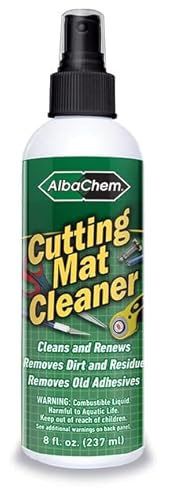

Before You Start
Assess the mat’s material and any warranty guidelines before cleaning. Clear the area of obstacles and ensure good ventilation. Perform a spot test in a inconspicuous corner with the cleaner spray to verify no color bleed or damage occurs. Time estimates vary by mat size but typically range from 15 to 30 minutes per cleaning session. Ensure the mat is completely dry before rolling or storing.
Step-By-Step: How To Clean A Cricket Mat
- Remove loose debris with the cricket mat cleaning brush, sweeping in the direction of the grain or fiber to lift embedded dust.
- Apply a light mist of cricket mat cleaner spray 500ml across the surface, focusing on high-traffic areas and stains.
- Gently scrub the surface with the brush in small, even circular motions to lift dirt without damaging fibers.
- Wipe away loosened dirt with a cricket mat sanitizer wipe on accent areas or persistent spots to avoid excess moisture.
- Rinse or wipe again with a damp cloth if the cleaner leaves a residue; ensure no soap buildup remains.
- Allow the mat to air dry completely in a well-ventilated area away from direct heat or sunlight to prevent warping.
- Inspect edges and seams for signs of wear; address small frays promptly to prevent further damage.
- If odors persist, repeat the cleaning cycle on a light setting, ensuring thorough drying afterward.
- Reassess after drying: the surface should feel fresh, with no sticky or damp patches.
- Store rolled or flat in a clean, dry space to preserve fiber structure and performance.
- Periodically deep-clean the mat with the cleaner spray and brush, especially after heavy use or outdoor exposure.
- Document cleaning intervals for club or team maintenance logs to maintain consistency.
Troubleshooting
| Symptom | Likely Cause | Fix | Prevention |
|---|---|---|---|
| Streaks after cleaning | Excess cleaner residue | Wipe with a damp cloth and dry thoroughly | Use minimal spray per pass |
| Stubborn stains remain | Deep-set dirt | Reapply cleaner and scrub with gentle pressure | Spot-clean after games |
| Mat feels sticky | Soap or residue from cleaner | Rinse with clean water and wipe clean | Test first, use manufacturer-approved products |
| Color fading or discoloration | Direct sun exposure | Move mat away from direct sun while drying | Dry indoors or shaded area |
Common Mistakes
- Using harsh brushes or scrubbers that abrade fibers.
- Over-wetting the mat, which can lead to warping or prolonged drying times.
- Applying cleaners not suited for cricket mats, causing residue or color change.
- Skipping drying time, leaving moisture that promotes mold or odors.
Tips For Best Results
- Develop a routine cleaning schedule, especially after mat-heavy practices or matches.
- Test every cleaner on a hidden area before full use to avoid damage.
- Keep a dedicated cleaning kit on-site for quick maintenance between sessions.
- Use a protective cover or mat matting during outdoor play to minimize dirt intrusion.
- Document cleaning times and steps to ensure consistency across players and clubs.
Call A Professional
Consider professional maintenance if the mat shows persistent damage, significant fading, or persistent odors despite routine cleaning. Stop cleaning and consult a technician if any tearing or surface delamination occurs, or if the mat fails to lay flat after drying. If the warranty is still valid, follow the manufacturer’s guidance for service or replacement.
FAQ
What is the best cleaner for a cricket mat?
Use a dedicated cricket mat cleaner spray 500ml and follow with a soft brush to lift dirt without damaging fibers.
How often should I clean my cricket mat?
Clean after heavy use or weekly in a club setting to maintain grip and consistency, with deeper cleanings monthly as needed.
Can I use household cleaners on a cricket mat?
Avoid household cleaners that contain strong solvents or dyes; use products designed for mats to prevent residue or color loss.
Is it safe to machine wash a cricket mat?
Most cricket mats are not designed for machine washing; prefer manual cleaning with brushes and sprays, and air dry.
Buying Guide
When choosing cleaning products for a cricket mat, consider factors like compatibility with mat materials, ease of use, and drying time. A compact kit with a dedicated cricket mat cleaner spray, a soft brush, and sanitizer wipes provides versatile solutions for routine maintenance. Look for spray bottles with a fine mist to avoid over-wetting. For larger clubs, bulk packs or refill bottles can reduce downtime between sessions.
Key buying factors include:
- Size and coverage: Choose products that cover the mat efficiently in a few passes.
- Noise and ease of use: Quiet spray and simple brush strokes save time during busy practice days.
- Energy efficiency: Manual cleaning requires minimal energy; prefer low-energy tools and non-electric methods.
- Controls: Ergonomic brush handles and spray triggers reduce fatigue during extended cleaning.
- Placement: Store cleaning supplies near the mat area for quick access and reduced clutter.
Would you like suggestions tailored to your mat size, frequency of use, and preferred products? I can help compare options and craft a maintenance plan that fits your space and budget.
Leave a Reply