How to Clean a Couch: Quick, Effective Upholstery Care
Cleaning a couch is a common home maintenance task that preserves comfort and extends the life of furniture. This guide breaks down a practical, step-by-step approach using consumer-friendly methods and readily available tools. Whether dealing with everyday spills or routine refreshes, a thoughtful cleaning routine keeps upholstery looking fresh and smelling clean.
Quick Answer
Assess the fabric first and choose a cleaning method suited to the material. For most homes, a combination of regular vacuuming, targeted spot treatment, and gentle steam or extraction cleaning delivers noticeable results without harming fibers. Always test a hidden area first and air-dry completely before use.
What You’ll Need
The following tools and supplies cover common couch fabrics and stains. Use the provided product keywords as a guide to select compatible equipment.
- Vacuum with upholstery attachment
- Soft-bristle brush or lint roller
- Mild, color-safe detergent or upholstery cleaner
- handheld upholstery cleaner for sofa fabric
- fabric steamer for furniture and couch upholstery
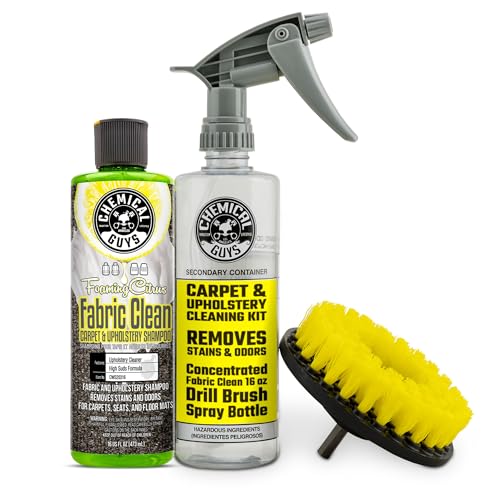
- microfiber sofa stain remover spray kit
- Clean white cloths or microfiber towels
- Distilled water (if tap water is hard)
- Optional enzyme cleaner for organic stains

Before You Start
Before cleaning, identify the fabric type and any cleaning code labels (W, S, WS, X). Avoid using heat on delicate fabrics unless a manufacturer-approved method is stated. Prepare the area by removing cushions and placing a drop cloth or towels to catch drips. A typical session takes 30–60 minutes, depending on couch size and stain severity. Test cleaning products on a hidden corner to prevent color bleeding or fiber damage.
Step-By-Step: How To Clean A Couch Effectively
- Vacuum thoroughly, including cushions, seams, and under the edges to remove loose dirt and pet hair.
- Inspect each section for stains, identifying whether they are fresh, set-in, or oily, to guide treatment.
- Spot-treat with a mild cleaner or the recommended spray kit on a small area, following label instructions.
- For water-safe fabrics (W or WS codes), lightly mist with distilled water and a gentle detergent solution; do not oversaturate.
- Use a handheld upholstery cleaner for sofa fabric to extract loosened soils, moving in slow, even strokes.
- When available, use a fabric steamer to lift fibers and refresh the surface while sanitizing.
- Blot, don’t rub, to lift stains and prevent fiber distortion; repeat treatment if needed.
- Allow the couch to air-dry completely; keep it away from direct heat or sunlight to prevent fading.
- Re-fluff cushions and replace them once dry; vacuum again to remove any remaining loose fibers.
- For lingering odors, sprinkle a light layer of baking soda after drying and vacuum before use.
- Reassess after drying; perform a second pass if any stains persist or if the fabric shows uneven tone.
- Apply a fabric protector if recommended by the cleaner or upholstery manufacturer for future protection.
Troubleshooting
| Symptom | Likely Cause | Fix | Prevention |
|---|---|---|---|
| Stain reappears after cleaning | Stain penetrated deeply | Repeat targeted spot treatment using a stronger, fabric-safe cleaner | Address spills promptly; blot, don’t rub |
| Fabric darkens after cleaning | Over-wetting | Blot with clean towels and vent air; avoid soaking | Use minimal moisture; use a fabric steamer judiciously |
| Color transfer from cleaner to fabric | Incompatible cleaner | Rinse with plain water and blot; test first | Always test on hidden area |
| Persistent odor | Moisture trapped in cushions | Dry thoroughly; air out cushions; consider baking soda | Drying time is critical; ensure airflow |
Common Mistakes
- Using hot water or heat sources on sensitive fabrics
- Over-wetting the upholstery, which leads to longer drying times
- Using household cleaners not designed for fabrics
- Skipping a fabric test patch or failing to check care labels
By avoiding these missteps, the couch remains more durable and looking fresher between deeper cleanings.
Tips For Best Results
- Schedule a regular maintenance clean every 3–6 months based on use and household conditions.
- Keep cleaning tools handy—a handheld cleaner and fabric steamer can tackle most spills quickly.
- Use color-safe detergents and follow the manufacturer’s dilution guidelines precisely.
- Ventilate the room well during and after cleaning to speed up drying and reduce chemical exposure.
- Rotate cushions to promote even wear and even drying times.
Call A Professional
Consider a professional if the couch has extensive stains, strong odors, or delicate fabrics (such as leather, suede, or antique textiles). Stop and call a pro if you notice any of the following:
- Fabric labels indicate “X” (dry clean only) or you are unsure of the fabric type
- Stains cover large areas or are oil-based and set deeply
- Water damage or mold appears on cushions or underside of furniture
FAQ
Can I clean a couch with a home fabric steamer?
Yes, a fabric steamer can refresh surfaces and lift fibers on many fabrics. Always follow the device instructions and test on a hidden area first.
Is it safe to use a handheld upholstery cleaner on all fabrics?
Most water-safe fabrics can benefit from a handheld cleaner, but check the care label and test first to avoid damage.
How often should I deep-clean a couch?
Deep-clean every 6–12 months for typical households; more often in homes with children or pets.
What should I do about pet hair and dander?
Vacuum with an upholstery attachment, use a microfiber cloth for quick wipes, and consider a fabric protector after cleaning.
What’s the best way to dry a couch after cleaning?
Air-dry in a well-ventilated area, away from direct sun or heat sources; use fans to speed up drying.
Should I use baking soda for odors?
Yes, after the couch is dry, a light baking soda application can help neutralize odors; vacuum thoroughly before use.
Are there fabrics that cannot be cleaned at home?
Yes, some upholstery codes require professional cleaning or dry cleaning only; always check the care label.
Buying Guide
When choosing tools and products to support couch cleaning, consider several factors to match your upholstery needs.
- Size and power: Select handheld cleaners with adequate suction and a compact frame for easy handling and storage.
- Noise level: Look for models with quiet operation, especially for living rooms and bedrooms.
- Energy efficiency: Choose efficient motors and heat settings that minimize power use while delivering results.
- Controls and versatility: A simple control panel with adjustable suction and spray settings helps tailor cleaning to different fabrics.
- Placement: Opt for compact cleaners that can fit in closets or car trunks for easy access and maintenance.
- Compatible cleaners: Use fabric-safe cleaners and consider a microfiber sofa stain remover spray kit for spot work.
- Fabric compatibility: Verify care codes on your sofa and choose products labeled safe for those materials.
- Maintenance needs: Check for washable attachments and easy-to-clean reservoirs to simplify ongoing upkeep.
Think about your household—pets, kids, and daily habits influence your choice. If you frequently tackle spills, a versatile setup with a handheld cleaner, fabric steamer, and stain remover spray kit can cover most scenarios without heavy equipment. For those with delicate fabrics or larger upholstery projects, consider professional cleaning periodically to maintain investment and appearance.
Leave a Reply