How to Clean a Couch: A Practical, Step-by-Step Guide
Keeping a couch clean extends its life and maintains a welcoming living space. This guide walks American homeowners through a safe, effective cleaning routine using common tools and household products.
Whether dealing with everyday crumbs, coffee spills, or pet messes, the following steps outline a reliable method that works on most fabric sofas while protecting delicate finishes.
Quick Answer
For fast refresh, blot spills immediately, use a fabric-safe upholstery steam cleaner for deeper cleaning, and treat stains with a fabric sofa stain remover spray. Finish with microfiber cleaning cloths for a polished look.
What You’ll Need
- Upholstery steam cleaner for sofa
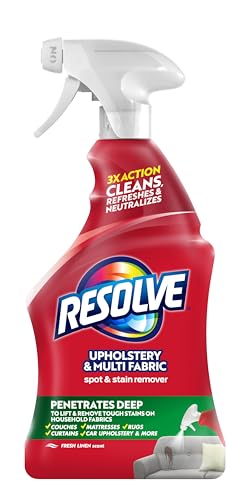
- Fabric sofa stain remover spray
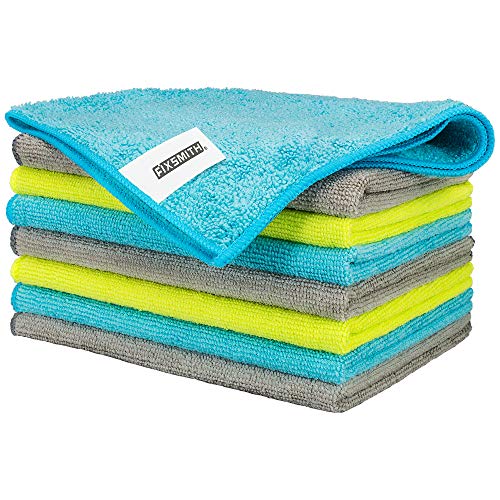
- Microfiber cleaning cloths for furniture set
- Soft brush or upholstery brush
- Vacuum cleaner with upholstery attachment
- Spray bottle with clean water
- Mild dish soap or fabric-safe cleaner (optional)

Before You Start
Before cleaning, check the sofa care tag for label codes (such as W, S, WS, or X). Always test cleaners in an inconspicuous area to avoid shading or fabric damage. Vacuum thoroughly to remove loose dirt and dust. Time estimate: 30–90 minutes depending on soil level and fabric type.
Avoid over-wetting can cause water stains or mold. If pets or allergies are a concern, choose low-irritant products and ensure good ventilation during cleaning.
Step-By-Step: How To Clean A Couch
- Prepare the area: Move cushions, remove throw blankets, and vacuum the entire surface with a brush attachment to lift dust.
- Treat fresh spills: Blot (don’t rub) with a microfiber cloth. For liquids, blot from the outside toward the center to prevent spreading.
- Apply stain remover: Apply fabric sofa stain remover spray to stained areas. Let it sit according to product directions, then blot with a clean cloth.
- Deep clean with steam: Use an upholstery steam cleaner on a low setting, following the device’s instructions. Work in sections, keeping the nozzle in motion to avoid over-wetting.
- Gentle cleaning solution (optional): If needed, mix a small amount of mild dish soap with water and test on a hidden area. Lightly sponge the fabric, then wipe with a damp cloth to remove soap residue.
- Rinse and dry: Lightly mist with water and blot with a dry microfiber cloth to remove excess moisture. Allow cushions to air-dry completely before use.
- Revive fabric texture: Once dry, run a soft brush over the surface to restore nap and uniform appearance.
- Spot check: Inspect for any remaining stains. Repeat stain treatment if necessary, using the stain remover only on affected areas.
- Protect and maintain: Consider applying a fabric-safe protector after cleaning if recommended by the product instructions.
- Final vacuum: Give the entire surface a final pass with the upholstery attachment to pick up any remaining residues.
- Reassemble: Put cushions back in place and fluff them for an even finish.
Troubleshooting
| Symptom | Likely Cause | Fix | Prevention |
|---|---|---|---|
| Staining persists after cleaning | Stain set or incompatible cleaner | Reapply stain remover and let sit; repeat cleaning | Test cleaners first; address stains promptly |
| Fabric feels stiff after cleaning | Residue from soap or cleaners | Rinse lightly and blot with a damp cloth | Use minimal solution and thorough drying |
| Water spots or rings | Over-wetting | Blot with dry cloth and allow to dry completely | Control moisture during steam cleaning |
| Color fading or shading | Harsh cleaners or sun exposure | Apply gentler cleaners and avoid sunlit areas | Test first; clean in cool, shaded spaces |
| Scent lingering after cleaning | Moisture retention or soap residue | Ventilate well and finish with a light wipe of clean water | Dry thoroughly and use breathable fabrics |
Common Mistakes
- Using hot water or harsh solvents on delicate fabrics
- Rubbing stains vigorously, which spreads them or abrades fibers
- Skipping a test patch, risking discoloration
- Over-wetting the fabric, leading to longer drying times and potential mold
- Ignoring manufacturer care tags, which can void warranties
Tips For Best Results
- Work in a well-ventilated area to speed up drying and reduce odor buildup.
- Use a microfiber cloth for best absorption and minimal lint.
- Clean small areas at a time to ensure consistent results across the couch.
- For frequent spills, consider a fabric-safe protector after cleaning to simplify future maintenance.
Call A Professional
Some fabrics require professional attention, especially delicate natural fibers, leather, or persistent stains. Stop cleaning and contact a pro if there is:
- Uncertainty about fabric compatibility with cleaners
- Water stains that do not dry within 24–48 hours
- Visible dye transfer or color bleeding
- Inaccessible spills or saturated cushions
FAQ
Can I use household soap on my couch?
Yes, a small amount of mild dish soap mixed with water can be used on some fabrics, but always test first in an inconspicuous spot and rinse away soap residue.
What should I do if my couch tag says “X”?
“X” means the fabric should only be vacuumed or professionally cleaned. Avoid liquids and DIY cleaning methods.
Is it safe to use a steam cleaner on all fabrics?
No. Check the care tag and manufacturer guidance. Some fabrics may shrink, warp, or fade with heat and moisture.
How often should I clean my fabric couch?
Most households do a light cleaning every 3–6 months, with a deeper clean every 12–18 months depending on use and presence of pets or children.
Will cleaning products leave a residue?
Some products can. Always rinse or wipe with a damp cloth after using cleaners, and dry thoroughly to prevent buildup.
Buying Guide
When choosing cleaning tools and products for a fabric couch, consider size, efficiency, and compatibility with your sofa’s fabric. Ask yourself:
- What is the sofa’s fabric type (microfiber, cotton, polyester, velvet, or natural fibers)?
- Is the surface stain-prone, requiring a strong stain remover spray or gentler cleaners?
- Do you need a compact, handheld upholstery steam cleaner or a larger machine?
- How often will you clean, and what accessories (microfiber cloths, brushes) are included?
- What is the noise level and drying time of the cleaner?
Key factors to compare include size and capacity, noise level, energy efficiency, and control options on a steam cleaner. For placement, plan a drying-friendly area with good airflow and avoid direct sunlight to minimize fading. If choosing multiple products, ensure the stain remover spray is compatible with your fabric type and that microfiber cloths are lint-free for best results. A balanced kit—comprising an upholstery steam cleaner for sofa, fabric sofa stain remover spray, and microfiber cleaning cloths for furniture set—offers a versatile approach for routine upkeep without overstepping fabric care guidelines.
Leave a Reply