How to Clean a Chinchilla Safely and Effectively
Chinchillas require careful grooming to maintain a healthy coat and skin. Unlike other small pets, their grooming routine combines brushing, occasional dust baths, and gentle cleansing to keep their fur fluffy and free of oils. This guide provides practical, step-by-step instructions for American households to clean a chinchilla without stress or harm.
Regular maintenance supports overall wellbeing and helps prevent odor, mats, and skin issues. By following best practices, owners can create a calm, clean environment that respects the chinchilla’s sensitive needs.
Quick Answer
Brush your chinchilla with a small animal grooming brush, give occasional dust baths with volcanic ash, and use a pet-safe chinchilla shampoo only if advised by a veterinarian. Avoid full-water baths; use water only for spot-cleaning if necessary and never soak the animal.
What You’ll Need
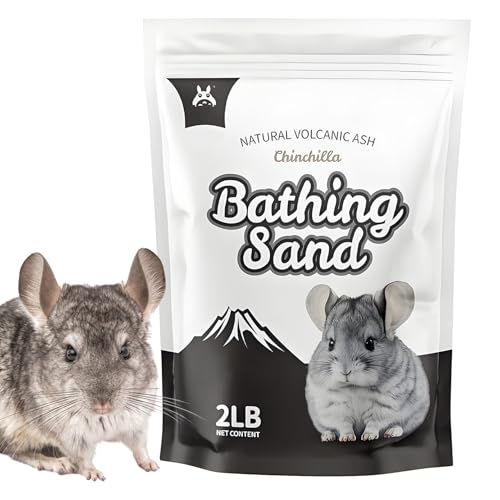
- Chinchilla dust bath volcanic ash 2 lb
- small animal grooming brush chinchilla
- pet-safe chinchilla shampoo

Before You Start
Choose a quiet, well-lit area to work where the chinchilla can feel secure. Have a towel handy and a gentle, slow approach to reduce stress. Ensure the room is warm and free from drafts, as chinchillas dislike cold air after a bath. Dust baths should be offered in a shallow dish in a contained space to minimize cleanup. If the chinchilla has any skin irritation, consult a veterinarian before bathing or shampooing.
Step-By-Step: How To Clean A Chinchilla
- Prepare a calm station with a soft towel and a shallow dish for the dust bath.
- Gently pick up the chinchilla and place it on the towel, offering a moment to settle.
- Fill the dust dish with a small amount of chinchilla dust bath volcanic ash; avoid overfilling.
- Allow the chinchilla to roll and dust bathe naturally for about 5–10 minutes.
- Remove excess dust by brushing gently with the small animal grooming brush chinchilla.
- For minor soiling, use a damp cloth to wipe the fur cautiously; avoid soaking the animal.
- If a pet-safe chinchilla shampoo is recommended by a vet, apply sparingly to a small area and rinse quickly with lukewarm water, then dry thoroughly.
- Return the chinchilla to a warm, dry space and monitor for signs of stress or overheating.
Troubleshooting
| Symptom | Likely Cause | Fix | Prevention |
|---|---|---|---|
| Red irritated skin after bath | Allergic reaction or over-washing | Discontinue shampoo and consult a vet | Limit baths; use only dust baths and gentle spot cleaning |
| Chinchilla refuses dust bath | Stress or unfamiliar dust | Slowly reintroduce in a quiet moment | Keep a consistent routine |
| Matted fur near hindquarters | Moisture buildup or shedding | Brush thoroughly; avoid over-wetting | Regular brushing sessions |
| Dry, flaky skin | Inadequate brushing or environmental dryness | Increase brushing frequency; adjust humidity | Maintain stable room humidity |
Common Mistakes
- Using full-water baths or frequent baths that strip natural oils
- Over-wetting the fur or leaving damp fur to air-dry in a cold environment
- Rough handling during grooming, which increases stress
- Ignoring signs of skin irritation and delaying veterinary advice
Tips For Best Results
- Schedule grooming during quiet times to reduce stress for the chinchilla
- Use the dust bath as the primary cleansing method; reserve shampoo for veterinary guidance
- Brush the coat regularly to prevent tangles and distribute natural oils
- Offer a stable, dry habitat after baths to prevent chill and overheating
- Keep dust bath products in a closed container to avoid moisture exposure
Call A Professional
Seek professional help if the chinchilla shows persistent skin issues, heavy shedding, or signs of lethargy after bathing. Stop any cleansing routine that causes sustained stress or fear. If a vet prescribes a specific shampoo or topical treatment, follow the exact instructions and return for follow-up checks if symptoms persist.
FAQ
Is a water bath ever safe for chinchillas?
Water baths are generally not recommended. Chinchillas dry slowly, and moisture can lead to fungal growth and skin problems.
How often should I bathe my chinchilla?
Dust baths are typically offered a few times per week, depending on coat condition and climate. Avoid daily baths.
Can I use human shampoo on my chinchilla?
No. Only pet-safe chinchilla shampoo prescribed by a veterinarian should be used, if at all.
What if my chinchilla inhales dust during a bath?
Gently remove the animal from the dust area and ensure fresh air. If coughing or breathing difficulties occur, contact a veterinarian.
What signs indicate I should talk to a vet?
Persistent redness, itching, sores, or a dull coat after grooming warrants veterinary advice.
Should I brush before or after a dust bath?
Brushing before dust baths helps remove loose fur; brushing after helps remove excess dust and dirt.
Can I groom my chinchilla outdoors?
Outdoor grooming is not recommended due to temperature fluctuations and potential stressors.
Buying Guide
When selecting grooming products for a chinchilla, consider size, material, and safety. For the dust bath, choose fine volcanic ash designed for chinchillas, ensuring it is dust-free and clean. A small animal grooming brush should have soft bristles to avoid skin irritation. If considering a shampoo, opt for a pet-safe version specifically formulated for chinchillas, and always follow veterinary guidance. Placement matters: set up a calm, dedicated grooming nook away from loud noises and direct sunlight. Noise level and ease of use influence the likelihood of a consistent routine. Energy efficiency is less of a concern here, but durable, easy-to-clean tools save time and reduce stress. For homes with multiple pets, ensure tools are sanitized between uses to prevent cross-contamination and maintain a hygienic grooming space.
Leave a Reply