How to Clean a Chain Necklace: A Practical Guide
Chain necklaces add subtle shine to outfits, but keeping them clean requires careful steps to protect metal, stones, and delicate links. This guide lays out a reliable, reader-friendly method for American shoppers to refresh their chain necklaces at home or with professional help when needed.
Quick Answer
Choose a gentle approach for most metal chains: warm water, mild soap, soft brush, and a soft cloth. For stubborn grime, an ultrasonic cleaner or a dedicated jewelry cleaning kit can help—but use caution with delicate or plated pieces. Always rinse and dry thoroughly to prevent water spots and tarnish.
What You’ll Need
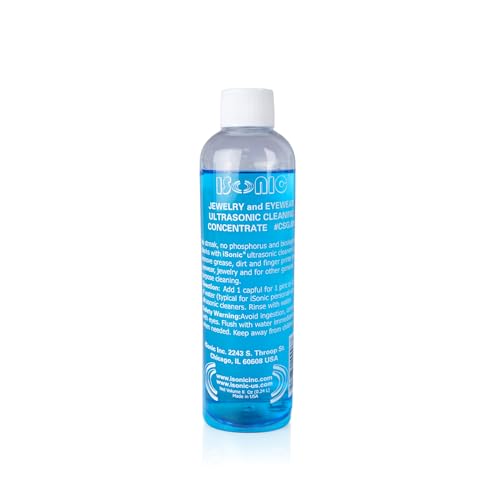
- Ultrasonic jewelry cleaner for chain necklace or a gentle cleaning option for fragile pieces
- Jewelry cleaning kit for gold and silver chain (polish solution, soft brushes, gentle cloths)
- Jewelry polishing cloths and cleaning solution set for chain necklace (pre-moistened cloths and local polish)


Before You Start
Assess the chain’s material and any gemstones before cleaning. Gold and sterling silver respond well to mild methods, while plated or costume jewelry can wear away with harsh cleaners. Always test a small hidden area first. Avoid soaking leather or fabric parts and do not use abrasive pads on any chain. Plan for a 10–20 minute cleaning session, depending on tarnish level, and set up a clean, well-lit workspace.
Step-By-Step: How To Clean A Chain Necklace
- Remove any clasps or charms from the chain if possible to prevent snagging during cleaning.
- Gently brush the chain with a soft toothbrush under lukewarm water to loosen surface grime.
- Prepare a mild cleaning solution: a few drops of dish soap in warm water works for most metals.
- Soak the chain for 5–10 minutes if the piece is solid metal and not delicate or plated.
- Carefully rinse under running water, ensuring all soap is washed away.
- Pat dry with a clean, lint-free cloth. Let air-dry completely before wearing or storing.
- If tarnish remains on silver or gold-plated pieces, use a soft polishing cloth to buff gently in one direction to restore shine.
- For stubborn grime or intricate links, repeat steps with a slightly warmer solution or consult a cleaning kit designed for chain necklaces.
Troubleshooting
| Symptom | Likely Cause | Fix | Prevention |
|---|---|---|---|
| Black tarnish on silver | Oxidation | Gently polish with silver-friendly cloth; avoid abrasive pads | Store in anti-tarnish pouch |
| Soap residue after rinse | Soap not fully rinsed | Rinse longer and ensure no suds remain | Rinse immediately after cleaning |
| Discoloration after cleaning | Overuse of cleaning solution on plated pieces | Limit exposure; switch to plain water and soft cloth | Only use products recommended for plated jewelry |
| Links snagging during cleaning | Tiney or dry links | Gently re-align links with a soft brush | Regular light cleaning to prevent buildup |
Common Mistakes
- Using harsh household cleaners on delicate or plated chains
- Soaking fragile necklaces too long, which can loosen settings
- Rubbing with abrasive cloths or pads that scratch metal
- Ignoring gemstones or enamel accents that require special care
Tips For Best Results
- Test cleaning methods on a discreet area before full treatment.
- Keep chains dry while storing to prevent moisture-related tarnish.
- Use a dedicated jewelry cleaning kit for frequent maintenance rather than household cleaners.
- For heavily tarnished pieces, consider professional cleaning to avoid damage.
Call A Professional
Consider a pro if a chain shows signs of enamel loss, broken links, or stones that may be loose. Stop cleaning and seek expert care if you notice discoloration that doesn’t fade, persistent dark spots, or a chain that feels brittle or kinked. If the item is valuable or irreplaceable, professional cleaning can prevent accidental damage.
FAQ
Is an ultrasonic cleaner safe for all chain necklaces?
Ultrasonic cleaners work well for sturdy metal chains but can damage delicate, porous, or gemstone-set pieces. Use caution and follow the manufacturer’s guidance.
Can I clean a gold-filled or plated chain the same as solid gold?
Gold-filled and plated chains require gentler care to preserve coatings. Avoid aggressive cleaners and limit soaking time.
How often should I clean a chain necklace?
Clean high-use pieces every few weeks with gentle methods; protect long-term with lighter, less frequent maintenance.
What should I do if a necklace turns dull after cleaning?
Check for tarnish, scratches, or worn plating. Use a polishing cloth designed for the metal, and if needed, consult a jewelry professional.
Buying Guide
Choosing the right cleaning approach depends on chain type, finish, and usage. Consider size and clasp type to determine the most effective cleaning method and storage plan. Noise level is not a factor for at-home cleaning, but energy use matters when running ultrasonic devices. Look for controls that offer gentle, low-heat cycles and clear indicators when the device is in operation. Placement matters too; use a stable, clean workspace away from water splashes to prevent accidental damage. If you own multiple chains, a dedicated cleaner with adjustable settings can simplify maintenance and prolong the life of both basic metal and plated pieces. Curious about performance? Compare kits that include soft brushes, non-abrasive cloths, and tarnish-preventive solutions to ensure a comprehensive approach to cleaning each link.
Leave a Reply