How to Clean a Cat That Hates Water
Many cats dislike baths, but small incidents or routine grooming can be managed with minimal stress. This guide provides practical steps and safe products to help keep a cat clean without a full bath. By using waterless solutions and careful drying, owners can maintain hygiene while respecting a cat’s sensitivities.
This article outlines a gentle, step-by-step approach, including product recommendations that suit timid or water-averse felines. The goal is to minimize stress for the cat and the caregiver while achieving effective cleaning and odor control.
Quick Answer
Use waterless cleaning options first and reserve any water-based cleaning for only when necessary. A waterless cat shampoo spray for sensitive cats plus unscented cat grooming wipes for quick spot cleaning, followed by a soft microfiber cat drying towel for gentle drying, generally yields the best results with minimal stress.
What You’ll Need
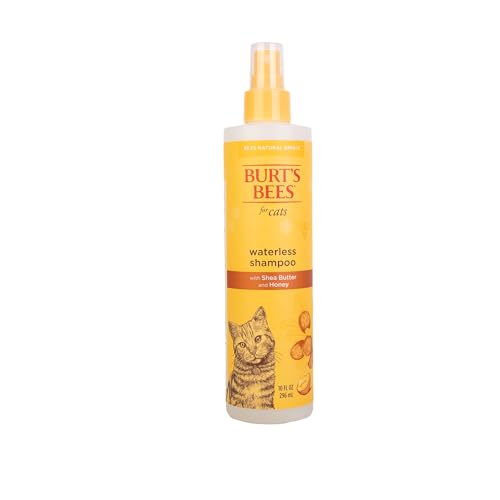
- Waterless cat shampoo spray for sensitive cats
- Unscented cat grooming wipes 100 count
- Extra absorbent microfiber cat drying towel


Before You Start
Prepare a calm, quiet space where the cat feels secure. Gather all supplies before you begin to avoid chasing the cat around. Time estimates vary by cat temperament but set aside at least 15–30 minutes for the full routine.
Safety notes: Use products labeled specifically for cats. Avoid eyes, ears, and mouth, and never apply shampoo directly to a cat’s face. If the cat has skin issues or wounds, consult a veterinarian before cleaning.
Step-By-Step: How To Clean A Cat That Hates Water
- Choose a calm moment when the cat is relaxed, such as after a meal or a nap.
- Lay out the waterless cat shampoo spray for sensitive cats within arm’s reach and have the unscented cat grooming wipes ready.
- Gently brush the cat to remove loose fur and tangles, which reduces the amount of cleaning needed.
- Apply the waterless spray to small sections, starting from the neck and working toward the tail. Use light, circular motions and avoid soaking the coat.
- Wipe away loosened dirt with a unscented cat grooming wipe, focusing on problematic areas like paws, underbelly, and hips.
- Repeat the spray and wipe process as needed until the fur looks fresh and residue-free.
- Use the extra absorbent microfiber cat drying towel to gently pat the coat dry. Do not rub aggressively, which can irritate the skin or panic the cat.
- Reward the cat with praise and a small treat to create a positive association with the routine.
- If odor remains or dirt is stubborn, consider a second gentle wipe, avoiding over-cleaning.
- Ensure the cat has a warm dry space afterward to prevent chill and stress from the cleaning session.
- For ongoing hygiene, schedule regular touch-ups using waterless products to minimize baths.
- If wet cleaning is unavoidable, use lukewarm water and a cat-safe shampoo, and rinse thoroughly while keeping the cat calm.
Troubleshooting
| Symptom | Likely Cause | Fix | Prevention |
|---|---|---|---|
| Cat trembling or hiding during cleaning | Overstimulation or fear | Pause, speak softly, use shorter sessions | Build gradual positive associations |
| Residue or stickiness after wipe | Insufficient wiping or product buildup | Use a fresh wipe and wipe in the direction of fur | Test small areas first |
| Irritated skin or redness | Allergic reaction or sensitive skin | Switch to unscented products and consult a vet if persists | Patch test new products |
| Cat avoids grooming tools | Tool discomfort | Introduce slowly and reward, allow sniffing first | Use softer tools and gentle pressure |
Common Mistakes
- Over-wetting the coat with water-based shampoos on a water-hating cat
- Applying products directly to the face or ears without barrier protection
- Rushing the process and using aggressive strokes
- Neglecting post-cleaning drying, leading to chill or skin issues
Tips For Best Results
Consistency helps. Use the waterless options regularly to reduce the need for baths. Maintain a calm environment by dimming lights, playing soft music, and keeping hands visible and steady. When introducing new products, test on a small patch of fur to ensure no irritation.
Temperature matters; keep towels and products at comfortable room temperature to avoid startling the cat. If the cat has a history of anxiety with grooming, consider a professional groomer who specializes in handling fearful cats, and discuss a desensitization plan.
Call A Professional
Stop and call a professional if the cat shows extreme fear, vocal distress, or aggressive behavior during cleanup. Signs to seek help include severe scratching, biting, or attempting to flee repeatedly. For cats with chronic skin issues, a veterinarian’s evaluation can determine safe cleaning routines and treatment options.
FAQ
Is it okay to bathe a cat that hates water?
Bathing should be avoided unless necessary. Waterless products and careful spot cleaning are preferred for cats averse to water.
Can I use baby wipes to clean my cat?
Only unscented, cat-safe grooming wipes are recommended. Do not use products not formulated for cats.
How often should I clean a water-hating cat?
Frequency varies by cat and environment, but regular light cleanings using waterless products are generally safer than baths.
What if my cat has sensitive skin?
Use unscented products and consider a vet-recommended routine tailored to sensitive skin before attempting grooming.
When should I switch products?
If redness, itching, or persistent odor occurs, discontinue and consult a veterinarian for alternatives.
Buying Guide
Choosing the right products for a cat that dislikes water involves considering several factors that affect comfort and effectiveness. This guide covers size, noise level, energy efficiency, controls, and placement to help owners make informed choices.
Size matters for ease of handling: a compact spray bottle for the waterless shampoo is easier to manage in a tense moment. Noise level of any grooming tool can influence a cat’s anxiety; opt for quiet sprayers or wipes that require minimal mechanical action. Energy efficiency is less critical for manual tools but relevant for rechargeable devices used in grooming routines. Controls should be straightforward, with clear labels and a gentle spray or wipe action. Place cleaning supplies within easy reach of a calm, designated grooming area, away from busy traffic and loud noises.
For this topic, the following product keywords are directly aligned with practical use: waterless cat shampoo spray for sensitive cats, unscented cat grooming wipes 100 count, and extra absorbent microfiber cat drying towel. When evaluating options, compare the spray coverage, wipe thickness, and towel absorption to determine what best suits a fearful cat’s needs. Consider keeping a small, travel-friendly kit for quick, low-stress cleanups away from home as well as a larger home kit for routine maintenance.
Leave a Reply