How to Clean a Cast Iron Dutch Oven With Rust
Rust on a cast iron Dutch oven can be stubborn, but with the right approach you can restore its seasoning and prevent further damage. This guide covers practical, safe methods for removing rust and re‑seasoning the cookware to keep it cooking for years to come.
Quick Answer
Begin with gentle mechanical scrubbing using a cast iron skillet rust removal scrub brush or 0000 steel wool, then follow with a thorough seasoning. For stubborn rust, a dedicated cast iron cookware rust removal kit with rust eraser and scrub pad can speed up the process. Always dry completely and apply oil to protect the surface.
What You’ll Need
- Cast iron cookware rust removal kit with rust eraser and scrub pad
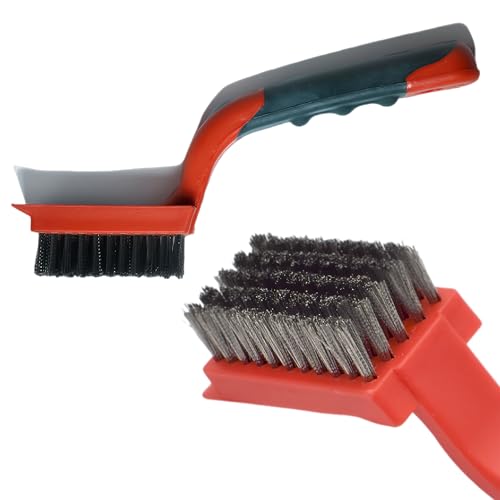
- Cast iron skillet rust removal scrub brush stainless steel bristles
- 0000 steel wool for cast iron cleaning
- Non‑metallic scrub pad (optional, for delicate areas)
- Vegetable oil, flaxseed oil, or another high‑smoke‑point oil for seasoning
- Paper towels or a clean cloth


Before You Start
Safety and prep are essential. Work in a well‑ventilated area and wear gloves to protect your hands from rust and cleaning agents. Assess the rust: surface rust is easier to handle than deep pitting. Plan to re‑season the cookware after rust removal. Expect this process to take 1–2 hours depending on rust severity, with additional time for drying and seasoning. Keep the oven or a heat source ready for the final drying/seasoning step.
Step-By-Step: How To Clean A Cast Iron Dutch Oven With Rust
- Rinse the Dutch oven with warm water to loosen loose rust and debris.
- Use a cast iron skillet rust removal scrub brush stainless steel bristles to scrub the affected areas in circular motions, applying light to moderate pressure.
- For stubborn spots, switch to 0000 steel wool and rub gently in one direction to avoid scratches that penetrate the coating.
- Wipe away loosened rust and residue with a clean cloth; repeat scrubbing as needed until the rust is mostly removed.
- Rinse thoroughly and dry completely with paper towels, then place the pot on a warm burner or in an oven set to a low temperature to ensure all moisture evaporates.
- If rust remains, repeat the scrubbing process or use the cast iron cookware rust removal kit with rust eraser and scrub pad as directed by the product instructions.
- Once the surface is clean and dry, apply a thin coating of oil to the interior and exterior, then wipe off any excess with a paper towel.
- Place the Dutch oven in a warm oven (about 350–400°F) for 1 hour to start the seasoning, allowing the oil to polymerize into a protective layer.
- Cool gradually, then repeat the oiling and heating cycle 2–3 times for a durable seasoning coat.
- Store in a dry place with the lid off or propped open to prevent moisture buildup and future rust.
- Track progress: if rust reappears, repeat cleaning steps and re‑season as needed.
Troubleshooting
| Symptom | Likely Cause | Fix | Prevention |
|---|---|---|---|
| Rust returns after seasoning | Moisture exposure or inadequate seasoning | Re-clean and re‑season with multiple coats | Store in a dry place; avoid dishwasher; dry promptly |
| Streaks or uneven color after seasoning | Uneven oil application | Apply thin, even coats and wipe off excess | Use a soft cloth; heat evenly during curing |
| Surface feels rough or snaggy | Residual rust or rough seasoning layer | Lightly scrub with 0000 steel wool and reseason | Keep seasoning layers thin and consistent |
| White foggy spots when heating | Moisture trapped under coating | Dry thoroughly before applying oil | Ensure complete drying between steps |
Common Mistakes
- Skipping thorough drying after cleaning, which invites new rust
- Over‑scrubbing with coarse tools that damage the surface
- Using too much oil during seasoning, creating sticky residues
- Neglecting to re‑season after rust removal, leading to recurring rust
Tips For Best Results
- Use the cast iron cookware rust removal kit with rust eraser and scrub pad for stubborn spots to reduce aggressive scrubbing.
- Always finish with a thin oil coat and a proper seasoning cycle for long‑lasting protection.
- Avoid storing the Dutch oven with a tightly sealed lid in damp areas.
- Temperature control matters: start with lower oven heat for seasoning and increase gradually to avoid warping.
Call A Professional
Consult a professional if you notice deep pitting, cracks, or severe warping, or if rust covers a large area despite repeated cleaning and seasoning. Seek expert help if the cookware shows structural damage or if restoration would require professional refinishing.
FAQ
Can rust be completely removed from a cast iron Dutch oven?
Surface rust can usually be removed with scrubbing and resurfacing, followed by thorough seasoning. Deep rust may require professional restoration.
Is it safe to use steel wool on cast iron?
Yes, especially the fine grades like 0000 steel wool, but use gentle pressure to avoid removing too much seasoning.
How long should I season cast iron after rust removal?
Several rounds of seasoning, typically 2–3 cycles, help build a durable protective layer.
Can I put my cast iron Dutch oven in the oven to dry?
Yes, placing it in a warm oven helps dry and begin the seasoning process, but ensure it is completely dry before applying oil.
What should I do if rust reappears after storage?
Repeat cleaning and seasoning steps, and store the cookware in a dry area with good air circulation.
Are there alternative methods to remove rust without metal tools?
Non‑metallic scrub pads can be used for lighter rust, and a rust removal kit can provide safer alternatives for tougher spots.
What oils work best for seasoning?
Flaxseed oil, vegetable oil, or a dedicated seasoning blend with high smoke point are effective choices.
Buying Guide
When choosing rust‑removal options and seasoning tools for a cast iron Dutch oven, consider size, iron surface, and maintenance needs. A few buying factors to keep in mind:
- <bSize and capacity: Larger Dutch ovens may require more effort to restore; ensure accessories fit the cookware’s dimensions.
- <bNoise level: Hand scrubbing tools and kits have minimal noise; power tools are not typically necessary for rust removal.
- <bEnergy efficiency: Not a primary factor for rust removal; prioritizes even heating during seasoning to save energy in future use.
- <bControls: Manual tools and kits provide straightforward control; look for ergonomic handles and non‑slip grips.
- <bPlacement: Store in a dry, ventilated area away from moisture; consider a protective rack to minimize humidity exposure.
Multiple perspectives matter: for some cooks, a dedicated rust removal kit with a rust eraser and scrub pad speeds up restoration; others prefer basic steel wool and seasoned oil methods. Balance convenience with care to prolong the life of the cast iron Dutch oven. Want a quick comparison of kits and tools? Look for compatibility with your cookware, presence of a rust eraser, scrub pad quality, and the recommended usage instructions.
Leave a Reply