How to Clean a Bottom-Load Water Cooler With Vinegar
Bottom-load water coolers are convenient, but their reservoirs can harbor mineral buildup and residue over time. Using vinegar as a safe, food-grade cleaner helps remove deposits and refresh the unit without harsh chemicals. This guide walks American readers through a practical, step-by-step cleaning process that minimizes downtime and keeps drinking water tasting clean.
Regular maintenance keeps a bottom-load water cooler in top condition. The method below emphasizes safety, simplicity, and effective sanitation so you can enjoy crisp, clean water every day.
Quick Answer
Empty the reservoir, prepare a vinegar cleaning solution, scrub with a long-handled bottle brush, rinse thoroughly, sanitize with recommended tablets or rinse, and dry before reassembling. Use warm water, avoid strong abrasives, and follow manufacturer safety notes for your model.
What You’ll Need
- bottom-load water cooler cleaning kit
- long-handled bottle brush for water cooler
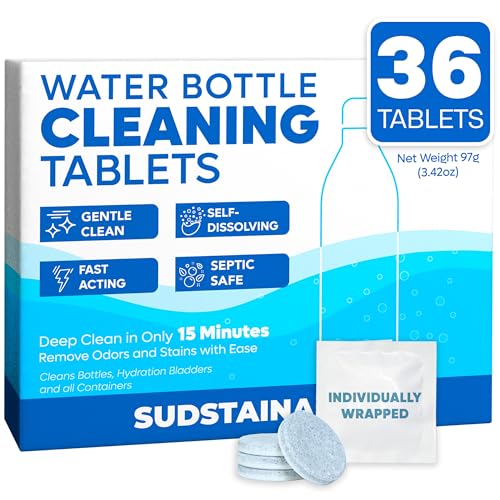
- water cooler sanitizer tablets


Before You Start
Turn off and unplug the cooler. Remove the bottle and disconnect the water line if applicable, following the manufacturer’s instructions. Prepare a cleaning solution using a mixture of clean, lukewarm water and distilled white vinegar (about 1:1 for most reservoirs). Allow time for the unit to reach a safe temperature before handling internal components. Do not mix vinegar with bleach or other cleaners, as harmful fumes can be produced. Estimate total cleaning time to be about 60–90 minutes, including drying time.
Step-By-Step: How To Clean A Bottom-Load Water Cooler With Vinegar
- Remove the water bottle and unplug the cooler. Empty any standing water from the reservoir to inspect for residue.
- Fill the reservoir with a vinegar solution (1 part distilled white vinegar to 1 part warm water). Allow it to sit for 10–15 minutes to loosen mineral buildup.
- Use the long-handled bottle brush for water cooler to scrub the interior surfaces, especially the corners and the drain channel. Focus on any visible deposits.
- Rinse thoroughly by draining the vinegar solution and flushing with clean water. Repeat the rinse until the smell of vinegar is gone and the water runs clear.
- Reinstall the bottle and run cold water through the taps for several minutes to purge any remaining vinegar. If your model requires it, insert and follow the directions for water cooler sanitizer tablets to sanitize the reservoir after rinsing.
- Empty the reservoir again, then fill with fresh water and run a final rinse through the taps. Wipe exterior surfaces with a clean cloth and allow everything to dry completely before replacing the bottle.
- Test the dispenser with a glass of water. If any off-taste or odor remains, repeat the rinse cycle or consult the manufacturer’s guidelines for additional flushing steps.
- Store cleaning tools properly and reassemble any removed components per the user manual. Schedule routine cleanings every 1–3 months depending on usage and water quality.
Troubleshooting
| Symptom | Likely Cause | Fix | Prevention |
|---|---|---|---|
| Water tastes or smells like vinegar after cleaning | Insufficient rinse | Flush with fresh water until odor dissipates | Rinse thoroughly; use multiple flush cycles |
| Dispenser leaks after cleaning | Gasket or connection not reseated | Check seals and hoses; reseat connections | Follow manual when reassembling |
| Residue buildup returns quickly | Hard water minerals | Consider mineral water filters; repeat cleaning more often | Regular maintenance schedule |
| Alarm or indicator shows a fault | Internal sensor issue or air lock | Consult the model’s troubleshooting guide or manufacturer | Document errors for support |
Common Mistakes
- Using bleach or strong cleaners in a bottle that contacts drinking water
- Rushing the rinse cycle and leaving vinegar residues
- Ignoring manufacturer guidelines for disassembly or sanitation steps
- Not drying the reservoir completely before reassembling
Tips For Best Results
- Always start with a cold-water fill to avoid rapid temperature changes that can cause leaks.
- Use distilled water for the cleaning solution if your tap water is highly mineralized.
- Keep the long-handled bottle brush for water cooler clean and dry after use to prevent mold growth.
- Schedule routine cleanings and keep a simple log to track when each maintenance was performed.
Call A Professional
Seek professional help if you notice persistent leaks, persistent odors after thorough rinsing, or if the unit requires disassembly beyond basic cleaning. Stop using the cooler and contact a certified appliance technician when:
- There are cracks or damage to the reservoir or hoses
- The cooling system is malfunctioning or producing abnormal sounds
- Electrical components show signs of wear or scorching
FAQ
Is vinegar safe for cleaning a bottom-load water cooler?
Yes, distilled white vinegar is a common, food-safe cleaner that helps remove mineral buildup when diluted with water. Rinse thoroughly after cleaning.
How often should I clean a bottom-load water cooler?
Most users do a light cleaning every 4 weeks and a deeper clean every 2–3 months, depending on usage and water quality.
Can I use sanitizer tablets with vinegar?
Follow manufacturer instructions. Some tablets are designed for use after rinsing; avoid mixing cleaners unless explicitly approved.
What if the water still tastes off after cleaning?
Flush multiple times with clean water, check for mineral buildup, and consider replacing filters or checking for contamination sources.
Do I need to disconnect the cooler from power during cleaning?
Yes, unplug the unit before any interior cleaning or disassembly to prevent electrical shock or injury.
Buying Guide
Choosing the right bottom-load cooler and cleaning setup involves several factors that influence long-term performance and maintenance ease.
- Size and capacity: Consider daily water consumption and space availability. A larger unit may be preferred for households with high usage, while compact models fit tight spaces.
- Noise level: Look for quiet cooling compressors or modern, energy-efficient designs if the unit sits in living or working areas.
- Energy efficiency: Energy Star-rated models consume less electricity, especially in hot climates where cooling demand is higher.
- Controls and features: Easy-access temperature controls, child locks, and indicators for filter or sanitizer tabs simplify maintenance.
- Placement considerations: Ensure stable surface, adequate clearance for airflow, and convenient access to taps without routing hoses through crowded spaces.
- Materials and build quality: A durable reservoir and corrosion-resistant components extend the unit’s life and ease of cleaning.
- Cleaning compatibility: Verify that cleaning kits (like the one bundled with maintenance tools) align with the model’s design and recommended sanitation methods.
Thinking about upgrades? Compare models that emphasize easy disassembly, wide-access reservoirs, and compatibility with sanitizer tablets. Practical choices balance convenience with reliable sanitation, so you can enjoy clean, fresh-tasting water with minimal effort.
Leave a Reply