How to Clean a Car Bonnet Safely and Effectively
Cleaning a car bonnet is a foundational detailing task that protects the paint and keeps the vehicle looking its best. A careful approach prevents scratches and swirls while removing dirt, grime, and road residue. This guide outlines a practical method using common car care products and proper technique.
By following a structured process, car owners can achieve a showroom-like finish without professional help. The focus is on using the right tools, safe washing practices, and attention to detail that extends the life of the bonnet’s clear coat.
Quick Answer
Best practice starts with a dedicated wash routine, a gentle clay bar if needed, and a thorough rinse. Use microfiber towels for drying and a soft mitt or sponge to lift dirt without scratching the paint. Finish with a protective wax or sealant to maintain shine and ease future cleaning.
What You’ll Need
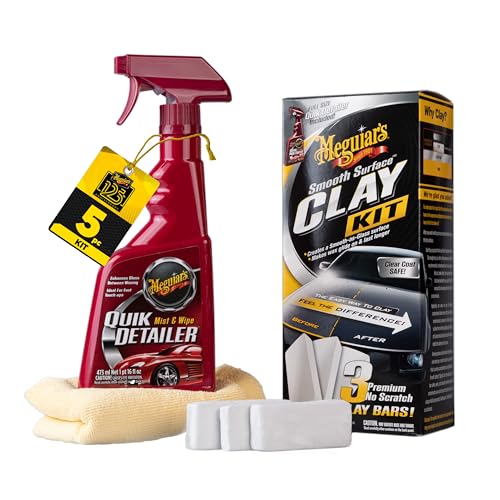
Prepare a simple kit to clean the bonnet effectively. The following items are recommended to cover washing, drying, and detailing steps:
- Car wash soap and microfiber mitt set
- Car hood cleaning kit microfiber towels
- Auto detailing clay bar kit for car bonnet


Before You Start
Assess the bonnet’s condition for severe oxidation, peeling clear coat, or deeply embedded dirt. Work in a shaded area to prevent soap drying on the surface. Rinse thoroughly before washing to reduce abrasive dirt. Wear gloves if you have sensitive skin, and keep the area free of debris that could cause scratches during washing. Do not wash a hot bonnet; heat can facilitate soap filming and paint damage.
Step-By-Step: How To Clean A Car Bonnet
- Rinse the bonnet with a strong spray to remove loose dirt and brake dust. A clean starting surface reduces scratching risk.
- Prepare soap solution in a bucket according to the product’s instructions. Use warm water for better cleaning power, but avoid scorching heat from the sun.
- Wash section by section start at the top of the bonnet and work downward with a microfiber mitt. Rinse mitt frequently to release trapped grime.
- Rinse thoroughly after each section to prevent soap residue from drying on the paint.
- Assess for contaminants run your fingers over the surface. If rough patches remain, consider using an auto detailing clay bar kit for car bonnet to lift embedded particles.
- Clay bar step lubricate a small area, glide the clay bar gently across the surface, and fold frequently to expose a clean side. Wipe away residue with a microfiber towel.
- Dry the bonnet with clean, plush microfiber towels. Avoid circular rubbing; use a blotting motion to minimize micro-scratches.
- Inspect finish under bright light. If you notice hazy spots or fine scratches, consider a light polish or dedicated protective coating to restore gloss.
Troubleshooting
| Symptom | Likely Cause | Fix | Prevention |
|---|---|---|---|
| Dull finish after washing | Residual soap or contaminants | Rewash with fresh soap and mitt; dry thoroughly | Rinse often; use quality soap and mitt |
| Scratch-like Marks | Dirty mitt or clay bar debris | Rinse mitt frequently; clean clay bar and use light pressure | Keep tools clean; work in shade |
| Streaks or water spots | Improper drying technique | Dry with blotting motions; use a drying aid | Dry promptly after washing |
| Clay bar sticking | Insufficient lubrication | Re-lubricate the area and use a fresh clay surface | Always use ample lubricant |
Common Mistakes
- Washing in direct sunlight or on a hot bonnet
- Using dirty or abrasive towels that grind dirt into the paint
- Skipping lubrication while using a clay bar
- Overlooked pre-rinse allowing embedded particles to scratch during washing
Tips For Best Results
For a pristine bonnet, adopt a few practical tips. Start with a two-bucket washing method to minimize cross-contamination. Use a dedicated drying towel and color-graded equipment to avoid cross-use with other surfaces. When using a clay bar, work lightly and frequently inspect the surface. After cleaning, apply a protective layer such as wax or sealant to preserve gloss and ease future cleaning sessions.
Call A Professional
Consider professional help if the bonnet shows deep scratches, heavy oxidation, or paint damage beyond simple cleaning. Signs that warrant a pro include peeling clear coat, rust spots, or persistent hazing despite multiple cleanings. Severe imperfections may require paint correction and refinishing services.
FAQ
How often should I clean my car bonnet?
Regular washing after heavy exposure to dirt and contaminants helps maintain protective coatings. For typical owners, a thorough clean every 1–2 weeks during fair weather is common.
Is clay bar necessary every time I wash?
No. Use clay bars only when you detect embedded contaminants that washing alone cannot remove.
Can I use household soap to wash the bonnet?
Household soap can strip protective coatings; use a dedicated car wash soap designed for automotive finishes.
What’s the best drying method?
Use a plush microfiber drying towel and blot rather than wipe to prevent micro-scratches and water spotting.
Should I wax immediately after cleaning?
Wax or sealant is beneficial after cleaning, but allow the surface to dry completely and remove any residues before application.
Buying Guide
When selecting products for cleaning a car bonnet, consider size, noise level, energy efficiency, controls, and placement to fit your routine and garage setup.
Key buying factors include choosing a car wash soap that is pH-balanced for paint, a plush microfiber mitt set that minimizes scratching, and a dedicated hood cleaning kit with soft towels designed for automotive finishes. A clay bar kit should come with lubricants suitable for long, smooth passes over the bonnet surface. For consistency, look for a microfiber towel set labeled for automotive detailing and an easy-to-use car hood cleaning kit that keeps tools organized and accessible. Finally, evaluate the overall kit value: compatibility with your vehicle size and your typical cleaning frequency will influence long-term results and satisfaction.
Leave a Reply