How to Clean a Betta Fish Tank Without a Filter
Betta fish are popular for their vibrant colors and hardy nature, but keeping their tanks clean without a filter requires a careful routine. This guide provides practical, step-by-step methods that minimize stress to the fish while maintaining water quality. By combining partial water changes, gentle tools, and a steady maintenance schedule, hobbyists can create a healthier environment for bettas in small setups.
Quick Answer
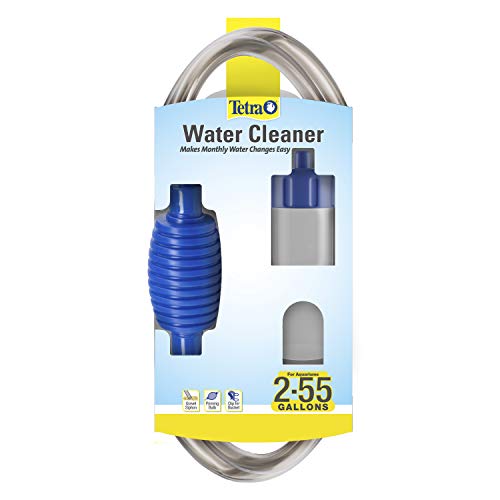
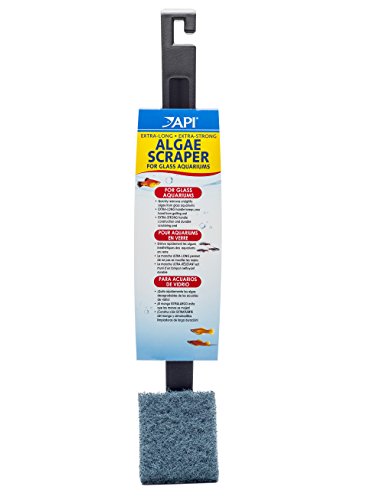
To clean a betta tank without a filter, perform regular partial water changes, siphon waste from the substrate, wipe algae from decorations, and monitor water parameters. Use a handheld aquarium gravel siphon vacuum for debris, an algae scraper for tiny colonies, and an adjustable flow siphon pump to control changes without stressing the fish.
What You’ll Need
- Handheld aquarium gravel siphon vacuum
- Algae scraper for small freshwater aquarium
- Aquarium water change siphon pump with adjustable flow
- Water testing kit for ammonia, nitrite, nitrate, and pH
- Clean, conditioned water matching tank temperature
- Soft sponge or cloth for exterior cleaning
- Towel or old blanket for workspace protection

Before You Start
Before beginning, assess the tank size and current fish health. Bettas prefer stable conditions, so avoid sudden temperature swings. Never replace all tank water at once, as this can shock the fish. Plan for shorter, more frequent cleanings rather than lengthy sessions. Safety note: unplug any equipment and wash hands to prevent introducing contaminants. For small bowls, a partial water change of 25–40% every week is a practical starting point.
Check water parameters with a test kit. If ammonia or nitrite is elevated, increase the frequency of small water changes and verify feeding routines. Maintain a stable temperature, ideally between 76–82°F (24–28°C). Ensure new water is dechlorinated and brought to temperature before adding it to the tank.
Step-By-Step: How To Clean A Betta Tank Without A Filter
- Turn off and unplug any equipment, then remove decorations if they are encrusted with algae or debris.
- Use the handheld aquarium gravel siphon vacuum to remove waste from the substrate. Start slowly to avoid disturbing the betta, and target only the top layer of gravel.
- Remove about 25–40% of the water with the siphon, gathering it into a bucket. This simulates a partial water change and helps dilute toxins.
- Flush out debris from decorations with the siphon or a gentle rinse in conditioned water. Reinsert items once dry.
- Wipe the interior walls with the algae scraper for small freshwater aquarium, focusing on any green or brown film without scratching the glass or acrylic.
- Refill the tank with conditioned water that matches the tank’s temperature. If possible, acclimate the new water to prevent temperature shock for the betta.
- Check water parameters again after the change. Note any trends in ammonia or nitrite that may indicate overfeeding or insufficient cleaning.
- Replant or rearrange decorations if desired, but keep changes minimal to reduce stress. Resume normal lighting and feeding schedules gradually.
- Observe the betta for signs of stress, such as gasping at the surface or tucked fins. If stress persists, reassess tank size, water changes, and feeding amounts.
- Establish a weekly routine combining partial water changes, substrate cleaning, and wall scrubbing to maintain consistent water quality without a filter.
- Over time, adjust the flow and water removal rate using the aquarium water change siphon pump with adjustable flow to maintain stable conditions while protecting the fish.
Troubleshooting
| Symptom | Likely Cause | Fix | Prevention |
|---|---|---|---|
| Cloudy water | Bacterial bloom or overfeeding | Increase partial water changes; reduce feeding amounts | Feed smaller portions; clean substrate regularly |
| Ends of fins clamping | Stress or poor water quality | Check temperature, test for toxins, perform water changes | Maintain stable routine |
| Algae growth on glass | Too much light or nutrients | Limit light exposure; clean glass; adjust feeding | Use a timer for lights |
| Unusual swim patterns | Water parameter imbalance | Test and correct ammonia/nitrite/nitrate levels | Consistent, moderate water changes |
Common Mistakes
- Overfeeding and under-cleaning, which accelerates waste buildup.
- Changing too much water at once, triggering stress.
- Using hot or cold water directly from taps; always condition and match temperature.
- Rubbing algae too aggressively, risking damage to the aquarium surface or betta’s fins.
Tips For Best Results
- Pair partial water changes with regular substrate cleaning to disrupt waste accumulation.
- Maintain a consistent schedule; bettas respond well to predictability in routine.
- Use conditioners that remove chlorine and chloramines, and consider water conditioners with stress-reducing additives if available.
- Label and store tools to minimize cross-contamination between different tanks or species.
- Keep a small, quiet routine; avoid excessive suction that could sweep the betta or the substrate.
Call A Professional
In cases of persistent illness, unusual swimming behavior, or persistent cloudy water despite routine maintenance, consult a professional. Seek help if signs of disease appear, if the tank is very small (under 2 gallons) and maintenance becomes impractical, or if water parameter readings remain unsafe after multiple changes.
FAQ
How often should I clean a betta tank without a filter?
Perform partial water changes weekly, removing debris with a siphon and cleaning algae as needed. Adjust frequency based on tank size, bioload, and observed water quality.
Can I use tap water for partial changes?
Only after treating with a water conditioner to remove chlorine and chloramines and to adjust temperature to match the tank.
Is a filter necessary for a betta tank long-term?
Bettas can live without a filter in very small, low-bioload setups, but a filter greatly reduces maintenance and stabilizes water conditions.
What’s the best way to handle betta stress during cleaning?
Keep movements slow, minimize direct handling, and avoid bright lights or loud noises during maintenance.
How do I know if my water is safe after a change?
Test ammonia, nitrite, nitrate, and pH. Safe ranges are low ammonia and nitrite, moderate nitrate, and stable pH appropriate for the betta.
Buying Guide
Choosing the right gear for a betta tank without a filter involves evaluating size, noise, energy use, and placement. Consider the following factors to make a smart purchase:
- Tank size and layout: Larger tanks are easier to maintain without a filter because they dilute waste more effectively. Bettas prefer 2.5 gallons or larger; smaller bowls require more frequent maintenance and careful water management.
- Partial water change tools: A handheld gravel siphon vacuum helps remove waste from the substrate without stressing the fish. Look for models with adjustable suction to control debris removal.
- Algae control tools: An algae scraper designed for small tanks prevents scratches and keeps viewing clear, especially in compact enclosures.
- Water change flow control: An adjustable-flow siphon pump allows gradual water removal and refill, reducing shock to the betta during changes.
- Water testing: A simple test kit for ammonia, nitrite, nitrate, and pH informs maintenance decisions and helps prevent toxic spikes.
- Placement considerations: Choose a quiet spot away from direct sunlight or heat vents to minimize temperature fluctuations and algae growth.
With careful planning and the right tools, cleaning a betta tank without a filter becomes a manageable routine. Ready the gear, set a cleaning schedule, and observe your betta’s response to the changes. Small, consistent steps can lead to a healthier, happier aquarium life.
Leave a Reply