How to Clean a Bean Bag
Bean bags offer casual comfort but can accumulate dust, stains, and odors over time. A practical cleaning routine keeps the fabric fresh and extends the life of the fill and cover. This guide covers effective methods using common tools while protecting delicate materials.
Whether your bean bag is faux suede, microfiber, or a standard fabric cover, the approach remains straightforward: vacuum, spot-clean, and refresh the cover without soaking the filling. Below are actionable steps designed for typical home use in the United States.
Quick Answer
Start by removing the outer cover and vacuuming both sides. Treat stains with a microfiber-friendly upholstery stain remover spray, then use a handheld fabric steamer for a light, fabric-safe refresh. If possible, replace or refresh the filling after a thorough dry clean and air-out. For stubborn grime, wipe with a damp cloth and allow to fully dry before reassembly.
What You’ll Need
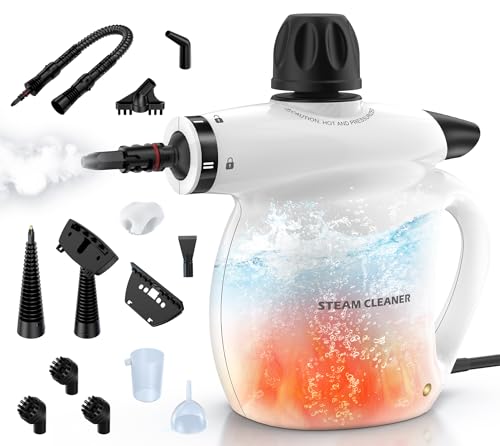
- Handheld fabric steamer for upholstery cleaning
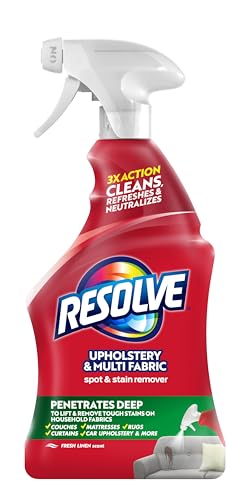
- Upholstery stain remover spray for microfiber fabric
- Vacuum cleaner upholstery attachment with brush and crevice tool

Before You Start
Remove the cover if the bean bag is designed for laundering. Check care labels and test a hidden area before applying cleaners. Ensure the room is well-ventilated and allow the cover to dry completely before reassembling. Never submerge the bean bag filling in water as moisture can lead to mold and odor. Plan a cleaning session that allows several hours for drying.
Step-By-Step: How To Clean A Bean Bag
- Unzip and remove the outer cover; turn the cover inside out if possible to inspect seams for wear.
- Vacuum the cover and the interior area around the filling with a vacuum cleaner upholstery attachment, using the brush to lift dust.
- Spot-clean stains on the cover using a microfiber-friendly upholstery stain remover spray. Blot gently and avoid rubbing aggressively to prevent fiber damage.
- For light wrinkles or odors, run a handheld fabric steamer for upholstery cleaning over the cover at a safe distance; allow fabric to dry briefly.
- Clean the inner lining or cover thoroughly if removable; wipe with a damp cloth and mild detergent if allowed by care label, then air dry completely.
- Inspect the filling: if it looks compacted or smells musty, consider airing the filling in a sunny area or replacing it after washing the cover.
- Reassemble the bean bag once both cover and filling are fully dry; reinsert filling and zip up securely.
- Fluff the bean bag by hand to restore shape and even distribution of the filling.
- Perform a light vacuum over the exterior after reassembly to pick up any residual lint or dust.
- Place the bean bag in a well-ventilated area to finish any remaining drying time before regular use.
- For persistent odors, repeat spot-cleaning and air-out steps; consider a fabric refresher suitable for microfiber if needed.
Troubleshooting
| Symptom | Likely Cause | Fix | Prevention |
|---|---|---|---|
| Stains reappear after drying | Improper spot treatment or deep-set stain | Re-treat with stain remover and blot; avoid rubbing | Treat stains promptly; test cleaners first |
| Color fading after cleaning | Harsh cleaner or high heat | Switch to microfiber-safe products; air dry away from sun | Use mild cleaners; follow care labels |
| Cover shrinks or warps | Excess moisture or heat | Air dry completely; avoid high heat setting | Dry thoroughly before reassembly |
| Filling smells musty | Moisture remains in filling | Air the filling outside; replace if odor persists | Avoid storing damp; keep out of humidity |
Common Mistakes
- Soaking the filling or letting moisture linger inside the cover
- Using aggressive scrubbing that frays microfiber fibers
- Skipping test patches on hidden areas before cleaners
- Neglecting to dry the cover completely before reassembly
Tips For Best Results
- Perform a quick vacuum weekly to reduce buildup and odors.
- Test all cleaners on a hidden seam before full application.
- Use the vacuum cleaner upholstery attachment with brush and crevice tool to reach seams and corners.
- Allow ample air-drying time in a warm, dry space.
- Rotate or fluff the filling occasionally to maintain even distribution.
Call A Professional
Seek professional help if the bean bag cover is labeled as delicate leather, suede, or has stubborn dye bleeding. If the filling shows signs of mold, persistent odors, or if the inner lining cannot be dried safely, contact a cleaning service experienced with upholstered items or a furniture restoration specialist.
FAQ
Can I machine-wash a bean bag cover?
Only if the care label permits; follow washing instructions and drying guidelines to prevent shrinkage or color loss.
How often should I clean a bean bag?
A monthly light vacuum and stain treatment when needed helps maintain fabric and odor control.
Is it safe to use a steamer on microfiber covers?
Yes, at a low heat setting and with proper distance to avoid water pooling; always test first.
What if the filling is damp after cleaning?
Air-dry it completely in a well-ventilated area; if possible, replace the filling to prevent mold growth.
Buying Guide
When selecting or refreshing a bean bag, consider size, fill type, cover material, and care requirements. For large living spaces, bigger bean bags provide more seating options, but ensure the cover can be laundered or cleaned easily. Noise and energy concerns are not typical for bean bags, but choosing a cover with durable microfiber or synthetic fabric helps avoid staining. Look for removable, washable covers and clear care labels. Consider the placement—keep beans away from direct sunlight to prevent fading and heat exposure that could degrade filler over time. If you value quick upkeep, prioritize a fabric-friendly cleaner and a vacuum attachment with a brush.
Leave a Reply