How to Clean a Barbell Safely and Effectively
Keeping a barbell clean is essential for hygiene, performance, and longevity. Regular maintenance helps prevent rust, corrosion, and buildup of sweat, oil, and chalk residue that can affect grip and longevity of the knurling.
This guide provides practical, American-friendly steps to clean a barbell using common tools and safe cleaning products. It emphasizes simple routines you can perform at home or in a gym setting without specialized equipment.
Quick Answer
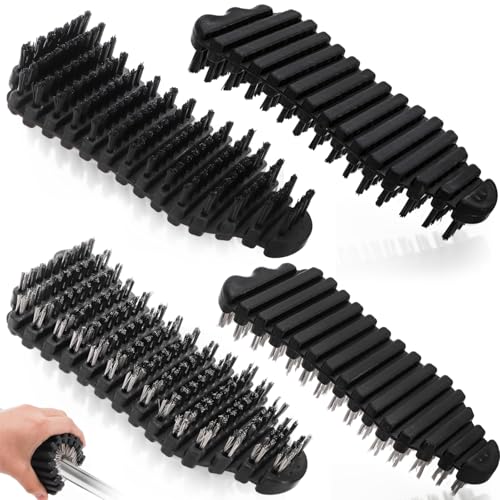
Use a barbell cleaning brush set with nylon bristles to remove surface grime, apply a degreaser spray designed for gym equipment, wipe with microfiber cloths, and dry thoroughly. For rust or heavy buildup, treat with a rust remover and re-lubricate moving parts as needed.
What You’ll Need
- barbell cleaning brush set nylon bristle
- gym equipment degreaser spray barbell rust remover 32 oz
- barbell maintenance kit microfiber cleaning cloths

Before You Start
Clear the area and remove any weights from the barbell. Inspect the knurling for nicks and burrs, and check for any loose collars or sleeves. Wear gloves and work in a well-ventilated space when using cleaners. Allow the barbell to dry completely before reassembling or loading plates. Plan for a 10–20 minute cleaning window after each workout to maintain metal integrity and grip quality.
Step-By-Step: How To Clean A Barbell
- Remove all weight plates and collars, placing them in a safe area.
- Wipe the bar down with a microfiber cloth to remove surface sweat and chalk dust.
- Use the nylon bristle brush to scrub the shaft, sleeves, and knurling where residue sits stubbornly.
- Apply a small amount of gym equipment degreaser spray to a cloth or directly onto the bar, focusing on any oily areas.
- Wipe again with a clean microfiber cloth to remove loosened grime and cleaner residue.
- If rust is present, apply a thin layer of rust remover, following label directions, and wipe away after the recommended dwell time.
- Dry the bar thoroughly with a fresh cloth to prevent moisture from staying on metal surfaces.
- Inspect the sleeves and bearings; if needed, apply a light machine oil or lubricant appropriate for barbells to moving parts.
- Reattach collars and plates, then perform a few light reps to ensure smooth rotation and even movement.
- Store the bar in a dry area or use a protective coating to slow future corrosion if the environment is humid.
- Schedule routine cleanings after heavy workouts or intense sweating sessions to maintain grip and longevity.
- Record a basic maintenance log noting date, products used, and any signs of wear for future reference.
Troubleshooting
| Symptom | Likely Cause | Fix | Prevention |
|---|---|---|---|
| Barbell feels rough or gritty | Residual chalk/oil buildup | Deep clean with brush and degreaser; re-wipe | Clean after workouts to prevent buildup |
| Visible rust on shaft | Moisture exposure, insufficient drying | Apply rust remover if needed, dry thoroughly | Store in dry area; wipe down after use |
| Sluggish sleeve rotation | Lack of lubrication or dirt in bearings | Clean, then lightly lubricate moving parts | Regular maintenance schedule |
| Discoloration or pitting on knurling | Prolonged moisture exposure | Treat surface or replace bar if structural | Keep bar dry; avoid leaving sweat on knurling |
Common Mistakes
- Using abrasive cleaners that can scratch the bar’s finish
- Over-saturating the bar with cleaner or water near bearings
- Neglecting the ends and collars where grime hides
- Skipping thorough drying after cleaning
Tips For Best Results
- Establish a simple post-workout routine: wipe, brush, wipe again, dry, and store.
- Use microfiber cloths for lint-free, effective drying and residue removal.
- Rotate cleaning days if the gym environment is humid or crowded to minimize rust risk.
- Label and separate cleaning products for gym equipment to avoid cross-contamination with other tools.
- For best grip longevity, avoid applying excessive lubricant to the knurling; focus lubricant on moving parts and sleeves only.
Call A Professional
Consider professional service if the bar shows deep pitting, significant rust that compromises structural integrity, or if rotation remains stiff after cleaning and lubrication. Seek a gym equipment technician when cracks or deformities appear, or if bearings show excessive play that affects safety during lifts.
FAQ
How often should I clean my barbell?
Clean the barbell after heavy sweat sessions or at least weekly in high-use gyms to prevent buildup and rust formation.
Can I use household cleaners on a barbell?
Avoid strong household cleaners; opt for gym equipment degreaser spray and mild cloths to protect finishes and bearings.
What lubrication is safe for barbells?
Use a light lubricant designed for barbells or bearings, applying only to moving parts and not to the knurling.
Is rust on the barbell dangerous?
Light surface rust is common and removable; significant rust may degrade metal and should be addressed promptly, potentially by a professional.
Should I wash the barbell with water?
Minimal water is acceptable if followed by thorough drying; excessive moisture can promote rust and should be avoided.
What about storage after cleaning?
Store in a dry, ventilated area and consider a protective coating to slow future corrosion.
Buying Guide
When choosing cleaning and maintenance tools for a barbell, consider the following factors to optimize long-term performance and ease of use.
- Size and compatibility: Ensure the brush set reaches all bar areas, including shaft and sleeves, without causing damage.
- Material quality: Nylon bristles reduce scratching while effectively removing grime; microfiber cloths should be lint-free and highly absorbent.
- Effectiveness of degreaser: Look for formulations designed for gym equipment that cut through sweat and oil without harming finishes.
- Rust removal capability: If rusty areas are common, choose a rust remover with clear instructions and safe residue.
- Lubrication compatibility: Use lubricants safe for bar bearings and sleeves, avoiding thick greases that attract debris.
- Ease of use and availability: Select products that are easy to source, with clear usage directions and minimal setup.
- Maintenance scope: A complete kit with brushes, cloths, degreaser, and rust remover provides a comprehensive solution for most homes and gyms.
With the right tools, cleaning a barbell becomes a quick, routine task that preserves grip quality and equipment longevity. Ready to maintain your barbell like a pro?
Leave a Reply