How to Clean a 50 Gallon Fish Tank
Maintaining a clean 50 gallon aquarium supports fish health, clearer water, and a balanced ecosystem. Regular partial water changes, substrate cleaning, and algae control are essential parts of routine care. This guide lays out a practical, step-by-step method tailored for a standard 50 gallon freshwater setup.
A quick, actionable overview helps you plan the task efficiently and safely for your aquatic inhabitants.
Quick Answer
Plan to perform a thorough cleaning every 1–2 weeks, with smaller weekly upkeep tasks. Use a gravel vacuum to remove debris, a water changer to perform partial water changes, and a magnetic algae scraper to control surfaces without disturbing the tank inhabitants. Test water parameters before and after cleaning to ensure stability.
What You’ll Need
- 50 gallon aquarium gravel vacuum siphon kit
- Magnetic algae scraper for 50 gallon freshwater aquarium
- Adjustable water changer siphon kit for 50 gallon aquarium
- Algae pads or soft scrubber (non-abrasive)
- Water conditioner treated for chlorine and chloramines
- Test kit for ammonia, nitrite, nitrate, and pH
- Buckets or a lined container for water transport
- Glass cleaner or microfiber cloth for exterior


Before You Start
Choose a time when you can monitor the tank after cleaning to catch any sudden changes. Turn off electrical equipment and unplug filters if recommended by manufacturer guidelines before starting. Remove a small amount of water at a time to avoid shocking fish with temperature changes. Keep a small amount of water in the bucket to reseat decor without causing stress to fish. Plan for a typical cleaning session to last 30–60 minutes depending on tank setup.
Step-By-Step: How To Clean A 50 Gallon Tank
- Unplug and inspect all equipment. Check filters, heaters, and air stones for proper operation before beginning.
- Turn off the filter and drain a portion of water using the adjustable water changer siphon kit. Remove water gradually to maintain stable temperatures for the fish.
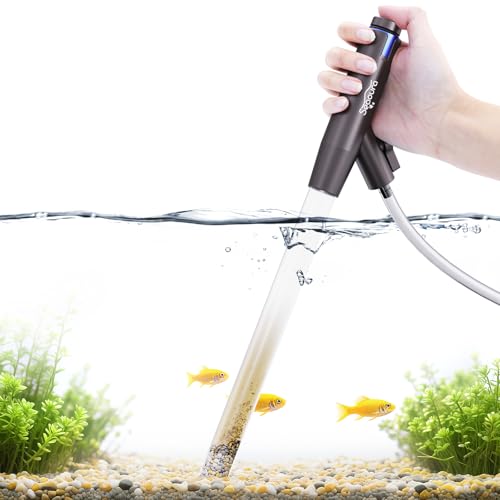
- Use the 50 gallon aquarium gravel vacuum siphon kit to vacuum the substrate. Move the nozzle in short, slow passes to pick up waste without disturbing planted areas.
- Vacuum around decorations and plants, siphoning debris into a bucket. If substrate is packed, work in gentle, crisscross motions to loosen hexagonal layers.
- Remove a portion of water (about 15–25%), then replace with treated, dechlorinated water at the appropriate temperature. Use a water changer siphon kit to maintain consistent levels.
- Clean the glass with a magnetic scraper for 50 gallon freshwater aquarium. Scrape algae from the front and sides in steady, even strokes. Avoid pressing too hard to protect acrylic surfaces if applicable.
- Wipe down the inside rim and any removable lids to remove dust and residues that could fall back into the tank.
- Check and adjust water parameters after finishing. Reassemble equipment and ensure everything runs smoothly.
- Resume filtration and equipment while monitoring ammonia and nitrate levels for the first 24 hours after cleaning.
- Observe fish behavior for signs of stress. If needed, reduce light exposure for a day to help fish adapt to changes.
- Perform a brief test after 24 hours and plan the next maintenance cycle based on readings and observed tank cleanliness.
- Schedule the next cleaning around 7–14 days later, depending on bio-load and plant growth.
Troubleshooting
| Symptom | Likely Cause | Fix | Prevention |
|---|---|---|---|
| Cloudy water after cleaning | Residual substrate dust or overfeeding | Run filter longer to clear; check feeding amounts | Feed sparingly; rinse substrate before setup |
| Algae regrowth quickly | Excess nutrients or light exposure | Reduce light duration; check nitrate levels | Regular maintenance schedule; monitor nutrients |
| Fish show stress after water change | Temperature or pH shock | Match water temperature and pH; use acclimation drip | Test water parameters prior to changes |
| Filter running loudly or inefficient | Debris in filter or improper flow | Rinse media as per manufacturer; adjust flow if possible | Clean on a routine basis |
Common Mistakes
- Over-cleaning or removing too much water at once, causing stress to fish
- Using soaps or detergents inside the tank, which can be toxic
- Neglecting to treat new water for chlorine and chloramines
- Disrupting beneficial bacteria by cleaning bio-media too aggressively
Tips For Best Results
- Develop a stable weekly routine to prevent large-scale debris buildup
- Maintain consistent water temperature to minimize fish stress during changes
- Use a siphon with adjustable flow to control the level of disturbance during substrate cleaning
- Inspect equipment seals and hoses monthly to prevent leaks
- Test water parameters regularly and keep records for trend spotting
Call A Professional
Consult a professional if you notice persistent cloudy water, unusual fish deaths, or persistent pest algae despite regular maintenance. Seek immediate help if you detect cracks in the tank, significant leaks, or electrical issues with the equipment. If a tank becomes unsafe for the inhabitants, stop maintenance and contact a local aquarium specialist.
FAQ
How often should I clean a 50 gallon tank?
Perform a partial water change and substrate cleaning every 1–2 weeks, with more frequent light maintenance as needed.
Can I clean the tank without removing fish?
Yes, use a siphon to remove water and vacuum the substrate while fish are in the tank, but monitor stress levels and consider temporary relocation if necessary.
What should I do with the water I remove?
Dispose of it responsibly or use it in a garden if allowed by local regulations; never pour into household drains without ensuring parameters are safe.
What tools are essential for a 50 gallon tank clean?
The essential tools include a gravel vacuum siphon, a magnetic algae scraper, and an adjustable water changer siphon kit.
How can I prevent algae growth?
Control light exposure, maintain balanced nutrients, and perform regular water changes to stabilize the aquarium.
Is a professional cleaning necessary for large tanks?
Not always, but consult a pro if you notice persistent issues beyond routine maintenance or if you see recurring equipment failures.
Buying Guide
When selecting gear for maintaining a 50 gallon tank, consider size compatibility, noise level, energy efficiency, and ease of use. Look for a gravel vacuum that fits your substrate type and a magnetic scraper with a soft pad suitable for glass or acrylic. An adjustable water changer helps manage water changes precisely without disturbing fish. Consider a kit that includes compatible hoses, valves, and cleaning attachments that suit your tank setup. Evaluate the warranty, replacement parts availability, and customer reviews for real-world performance. Finally, assess placement options in your room to minimize stress for both fish and homeowners, ensuring easy access for regular maintenance.
Leave a Reply